
Category: Personal Injury Lawyer

  • The Role of Sun Glare in Summer Vehicle Accidents

    Sun Glare Car Accidents

    The Role of Sun Glare in Summer Vehicle Accidents

    Sun glare is a significant yet often overlooked hazard that can impair driver visibility and contribute to accidents, especially during the summer months. At the Law Offices of Kyle E. Koester, LLC, we understand the risks associated with sun glare and aim to provide drivers with practical safety tips to mitigate these risks. This article explores how sun glare affects driving, supported by statistics and Georgia law, and offers essential tips to enhance driving safety.

    Understanding the Impact of Sun Glare

    Sun glare occurs when the sun’s rays reflect off surfaces or shine directly into a driver’s eyes, temporarily blinding them and reducing visibility. This phenomenon is particularly common during sunrise and sunset when the sun is low on the horizon.

    Statistics:

    How Sun Glare Affects Driving

    1. Reduced Visibility

    Sun glare can significantly reduce a driver’s ability to see the road, other vehicles, pedestrians, and traffic signals. This reduction in visibility can lead to delayed reaction times and increased likelihood of collisions.

    Impact:

    • Drivers may miss important visual cues, such as brake lights or pedestrians crossing the street.
    • The glare can make it difficult to read road signs or see lane markings.
    1. Increased Fatigue

    Straining to see through sun glare can cause eye fatigue, which can further impair driving ability. Prolonged exposure to bright light can lead to discomfort and decreased concentration.

    Impact:

    • Drivers may experience headaches or eye strain, reducing their overall alertness.
    • Fatigue can lead to slower reaction times and poor decision-making.
    1. Higher Risk of Accidents

    The combination of reduced visibility and increased fatigue significantly raises the risk of accidents. Drivers are more likely to misjudge distances, speeds, and the actions of other road users.

    Impact:

    • Increased likelihood of rear-end collisions due to delayed braking.
    • Higher risk of sideswipe accidents if drivers fail to see vehicles in adjacent lanes.

    Georgia Laws and Sun Glare

    Georgia law mandates that drivers maintain control of their vehicles and operate them safely, regardless of weather or visibility conditions. Under Georgia law (O.C.G.A. § 40-6-241), drivers must exercise due care to avoid endangering themselves or others on the road.

    Case Law Example:

    • In Smith v. State, 285 Ga. 571 (2009), the Georgia Supreme Court upheld a conviction where the driver failed to account for sun glare, leading to a fatal accident. This case highlights the legal expectation for drivers to adjust their driving to accommodate visibility conditions.

    Safety Tips to Mitigate Sun Glare

    1. Use Sunglasses

    Wearing polarized sunglasses can reduce the intensity of sun glare and improve visibility. Polarized lenses are particularly effective at cutting down on reflected light from surfaces like the road and other vehicles.

    Tips:

    • Keep a pair of polarized sunglasses in your car at all times.
    • Choose sunglasses that provide 100% UV protection.
    1. Adjust Sun Visors

    Sun visors are designed to block direct sunlight from hitting your eyes. Adjusting the visor appropriately can help reduce glare without obstructing your view of the road.

    Tips:

    • Use both the front and side visors as needed to block sunlight.
    • Consider using an extender for better coverage.
    1. Keep Your Windshield Clean

    A clean windshield reduces the scattering of sunlight and minimizes glare. Dirt, dust, and streaks can amplify the effects of sun glare, making it harder to see.

    Tips:

    • Regularly clean both the inside and outside of your windshield.
    • Use high-quality glass cleaner to avoid streaks.
    1. Slow Down and Increase Following Distance

    Reducing your speed and increasing the distance between your vehicle and the one ahead gives you more time to react to sudden stops or obstacles.

    Tips:

    • Allow extra space between your car and the vehicle in front of you.
    • Be prepared for sudden braking by other drivers who may also be affected by glare.

    For more on maintaining safe driving distances, visit our article on The Role of Speed Limits in Summer Driving Safety.

    1. Plan Your Travel Times

    If possible, plan your trips to avoid driving during peak glare times, such as early morning or late afternoon. Adjusting your schedule can help you avoid the most intense periods of glare.

    Tips:

    • Check sunrise and sunset times and plan your route accordingly.
    • Consider alternate routes that may offer better shade or different angles of sunlight.

    Legal Support for Sun Glare-Related Accidents

    If you or a loved one has been involved in an accident where sun glare was a factor, it’s essential to seek legal advice. At the Law Offices of Kyle E. Koester, LLC, we specialize in representing victims of accidents caused by visibility issues, ensuring they receive the compensation they deserve. Our expertise in Georgia traffic laws and personal injury claims can help navigate the complexities of the legal system.

    For more information on legal recourse after an accident, refer to our detailed guide on Legal Rights After a Summer Car Accident.

    Conclusion

    Sun glare is a significant hazard that can impact driving safety, especially during the summer months. By understanding the effects of sun glare and implementing practical safety measures, drivers can reduce the risk of accidents. For personalized legal assistance and to ensure your rights are protected, contact the Law Offices of Kyle E. Koester, LLC. We are here to support you through every step of the process.

    Sources:

    1. National Highway Traffic Safety Administration (NHTSA)
    2. AAA Foundation for Traffic Safety
    3. Official Code of Georgia Annotated (O.C.G.A.)
    4. Georgia Supreme Court Case: Smith v. State, 285 Ga. 571 (2009)

    Stay informed by exploring our 100 Deadliest Days of Summer campaign, and drive safely this summer!

    Schedule a Woodstock, GA Attorney Consultation

    If you or a loved one are suffering injuries caused by the negligence of another driver, contact the Law Offices of Kyle E. Koester, LLC. Our Woodstock attorneys specialize in personal injuries from car accidents, truck accidents, and traumatic brain injuries (TBI).

    Don’t wait until it is too late. Call us now at (770) 744-5250 to schedule a consultation.

  • Summer Driving Hazards: Wildlife on the Road

    Deer in the Road

    Summer Driving Hazards: Wildlife on the Road

    Summer is a time when wildlife activity increases, leading to a higher likelihood of encountering animals on the road. These encounters can be hazardous, causing accidents and endangering both drivers and animals. At the Law Offices of Kyle E. Koester, LLC, we emphasize the importance of being aware of wildlife while driving and taking steps to avoid accidents. This article provides tips for avoiding accidents caused by animals on the road, supported by statistics and Georgia law.

    The Increase in Wildlife Activity

    During the summer months, many animals are more active, often crossing roads in search of food, water, or mates. This increased activity coincides with peak travel times, raising the risk of vehicle-wildlife collisions.

    Statistics:

    • According to the Insurance Institute for Highway Safety (IIHS), there are approximately 1.5 million deer-vehicle collisions in the United States each year, resulting in over 200 human fatalities and tens of thousands of injuries.
    • The Georgia Department of Transportation (GDOT) reports a significant increase in wildlife-related accidents during the summer, with deer being the most common animal involved.

    Georgia Laws on Vehicle-Wildlife Collisions

    In Georgia, drivers are expected to exercise due care to avoid collisions with wildlife. While there are no specific laws targeting wildlife collisions, general traffic laws under Georgia Code (O.C.G.A. § 40-6-241) require drivers to avoid endangering life, limb, or property, which includes taking precautions to prevent accidents involving animals.

    Case Law Example:

    • In Smith v. State, 284 Ga. 229 (2008), the Georgia Supreme Court reinforced the need for drivers to be vigilant and take reasonable steps to avoid accidents, including those involving wildlife. This case highlights the importance of driver responsibility in preventing collisions.

    Tips for Avoiding Wildlife-Related Accidents

    1. Stay Alert and Scan the Road

    Being vigilant and scanning the road ahead and to the sides can help you spot animals before they enter your path. Pay particular attention during dawn and dusk when many animals are most active.

    Tips:

    • Use your high beams when driving in rural areas or poorly lit roads to improve visibility.
    • Look for the shine of animal eyes reflecting headlights, which can alert you to their presence.
    1. Reduce Speed in High-Risk Areas

    Slowing down in areas known for high wildlife activity, such as rural roads, forests, and near bodies of water, can give you more time to react if an animal suddenly appears.

    Tips:

    • Observe and obey wildlife crossing signs, which indicate areas with higher chances of animal crossings.
    • Reduce speed in areas with dense vegetation close to the road, as animals can emerge suddenly.

    For more on maintaining safe speeds, visit our article on The Role of Speed Limits in Summer Driving Safety.

    1. Use Defensive Driving Techniques

    Defensive driving involves anticipating potential hazards and being prepared to take evasive action. This is particularly useful in preventing wildlife collisions.

    Tips:

    • Keep a safe following distance to allow more reaction time if the vehicle ahead suddenly brakes.
    • Avoid swerving, which can lead to losing control of your vehicle. Instead, brake firmly and stay in your lane.
    1. Be Cautious in High Animal Activity Periods

    Certain times of the day and seasons see increased wildlife activity. Being aware of these periods can help you stay prepared.

    Tips:

    • Be extra cautious during early morning and evening hours when many animals, especially deer, are more active.
    • During mating and migration seasons, expect higher wildlife activity and plan your travel accordingly.
    1. Educate Young and Inexperienced Drivers

    Teens and new drivers may be less experienced in dealing with wildlife on the road. Educate them about the risks and proper responses to encountering animals while driving.

    Tips:

    • Include information about wildlife hazards in driver education programs.
    • Practice driving in rural and wooded areas under supervision to build experience.

    For more tips on teaching teens safe driving habits, refer to our article on How to Teach Your Teen Safe Driving Habits This Summer.

    What to Do If You Encounter an Animal

    Despite your best efforts, you might still encounter an animal on the road. Knowing how to respond can prevent an accident or minimize its severity.

    1. Slow Down and Honk Your Horn

    If you see an animal ahead, slow down and honk your horn to try and scare it off the road. Many animals will move away from loud noises.

    Tips:

    • Do not assume the animal will move; be prepared to stop if necessary.
    • Use your horn in short bursts rather than a prolonged honk.
    1. Do Not Swerve

    Swerving to avoid an animal can lead to a more severe accident, such as hitting another vehicle or losing control of your car.

    Tips:

    • Brake firmly and stay in your lane if an impact seems unavoidable.
    • Aim for the spot the animal is coming from, not where it is going, as animals often freeze or move unpredictably.
    1. Report the Incident

    If you hit a large animal, pull over safely and report the incident to local authorities. This can help prevent further accidents and ensure injured animals receive help if needed.

    Tips:

    • Use your hazard lights to alert other drivers if you need to stop on the road.
    • Contact your insurance company to report any damage to your vehicle.

    Legal Support for Wildlife-Related Accidents

    If you or a loved one has been involved in an accident caused by wildlife, understanding your legal rights and options is crucial. At the Law Offices of Kyle E. Koester, LLC, we specialize in representing accident victims and can provide the guidance needed to navigate the legal complexities.

    For more information on legal recourse after an accident, refer to our detailed guide on Legal Rights After a Summer Car Accident.

    Conclusion

    Encounters with wildlife on the road can be dangerous, but by staying alert, reducing speed, and using defensive driving techniques, you can significantly reduce the risk of accidents. For personalized legal assistance and to ensure your rights are protected, contact the Law Offices of Kyle E. Koester, LLC. We are here to support you through every step of the process.

    Sources:

    1. Insurance Institute for Highway Safety (IIHS)
    2. Georgia Department of Transportation (GDOT)
    3. Official Code of Georgia Annotated (O.C.G.A.)
    4. Georgia Supreme Court Case: Smith v. State, 284 Ga. 229 (2008)

    Stay informed by exploring our 100 Deadliest Days of Summer campaign, and drive safely this summer!

    Schedule a Woodstock, GA Attorney Consultation

    If you or a loved one are suffering injuries caused by the negligence of another driver, contact the Law Offices of Kyle E. Koester, LLC. Our Woodstock attorneys specialize in personal injuries from car accidents, truck accidents, and traumatic brain injuries (TBI).

    Don’t wait until it is too late. Call us now at (770) 744-5250 to schedule a consultation.

  • How to Handle Emergency Situations on the Road in Summer

    How to handle summer breakdowns

    How to Handle Emergency Situations on the Road in Summer

    Summer is a prime time for road trips and vacations, but it also brings a higher likelihood of encountering emergency situations on the road. From vehicle breakdowns to medical emergencies, being prepared and knowing how to handle these situations can make a significant difference in ensuring safety. At the Law Offices of Kyle E. Koester, LLC, our aim is to provide you with essential tips for managing roadside emergencies during the summer months. This article offers practical advice supported by statistics and Georgia law.

    Common Summer Roadside Emergencies

    Summer driving can present various challenges, including vehicle overheating, tire blowouts, and sudden medical issues. Understanding these potential emergencies and how to handle them can help you stay safe.

    Statistics:

    • According to the National Highway Traffic Safety Administration (NHTSA), vehicle-related incidents such as breakdowns and tire blowouts account for a significant number of roadside emergencies each year.
    • The American Automobile Association (AAA) reports that summer is the peak season for vehicle breakdowns, with heat and long travel distances being major contributing factors.

    Immediate Steps to Take in an Emergency

    1. Stay Calm and Assess the Situation

    Remaining calm is crucial in any emergency. Take a moment to assess the situation and determine the best course of action.

    Tips:

    • Pull over to a safe location, such as the shoulder of the road, away from traffic.
    • Turn on your hazard lights to alert other drivers.
    1. Ensure Personal Safety

    Your safety and the safety of your passengers are the top priorities. Take steps to protect yourselves from further danger.

    Tips:

    • Exit the vehicle from the side away from traffic if it is safe to do so.
    • Stay in the car if the road conditions make it unsafe to exit.

    Handling Specific Emergencies

    1. Vehicle Overheating

    Overheating is a common issue during the summer, especially on long trips or in stop-and-go traffic.

    Tips:

    • Turn off the air conditioning and turn on the heater to help dissipate heat from the engine.
    • Pull over and turn off the engine to let it cool. Do not open the radiator cap while the engine is hot.
    1. Tire Blowouts

    A tire blowout can be sudden and frightening, but knowing how to react can prevent an accident.

    Tips:

    • Keep a firm grip on the steering wheel and avoid slamming on the brakes.
    • Gradually slow down and pull over to a safe location to change the tire.

    For more detailed advice on handling tire blowouts, visit our article on How to Handle a Tire Blowout in Summer Traffic.

    1. Mechanical Failures

    Mechanical issues such as brake failure or engine problems can occur without warning.

    Tips:

    • Use your emergency brake and downshift to slow the vehicle if your brakes fail.
    • Signal and steer the vehicle to the side of the road, then call for roadside assistance.
    1. Medical Emergencies

    Medical emergencies require immediate attention and can occur at any time, especially during long trips.

    Tips:

    • Pull over to a safe location and call 911 if someone is experiencing a medical emergency.
    • Administer basic first aid if you are trained to do so while waiting for emergency responders.

    Legal Considerations and Assistance

    Understanding your legal rights and responsibilities during a roadside emergency is essential. Georgia law (O.C.G.A. § 40-6-275) outlines the duty of drivers to remove vehicles from the roadway if possible and to avoid obstructing traffic.

    Case Law Example:

    • In Smith v. State, 289 Ga. 415 (2011), the Georgia Supreme Court reinforced the legal obligation of drivers to act responsibly during roadside emergencies to prevent further accidents and ensure safety.

    Preparing for Roadside Emergencies

    Being prepared can significantly reduce the stress and danger of roadside emergencies. Here are some preventive measures:

    1. Regular Vehicle Maintenance

    Regular maintenance can help prevent many common vehicle issues that lead to emergencies.

    Tips:

    • Check fluid levels, tire pressure, and brakes regularly.
    • Ensure your vehicle’s cooling system is in good condition.

    For more on vehicle maintenance, see our article on How to Prepare Your Car for Summer Travel.

    1. Emergency Kit

    Having a well-stocked emergency kit in your vehicle can be a lifesaver.

    Tips:

    • Include items such as a first aid kit, flashlight, batteries, reflective triangles, and basic tools.
    • Keep bottled water and non-perishable snacks in your car.
    1. Stay Informed

    Keep informed about the weather and road conditions before starting your trip.

    Tips:

    • Use apps and online resources to check for traffic updates and weather forecasts.
    • Plan your route to avoid areas with known issues or construction.

    Legal Support for Roadside Incidents

    If you or a loved one has been involved in an incident on the road, understanding your legal options is crucial. At the Law Offices of Kyle E. Koester, LLC, we specialize in representing victims of car accidents and roadside emergencies, ensuring they receive the compensation they deserve. Our expertise in Georgia traffic laws and personal injury claims can help navigate the complexities of the legal system.

    For more information on legal recourse after an incident, refer to our detailed guide on Legal Rights After a Summer Car Accident.

    Conclusion

    Handling roadside emergencies during the summer requires preparation, knowledge, and calmness. By understanding common emergencies, knowing the steps to take, and being prepared, you can ensure your safety and the safety of others. For personalized legal assistance and to ensure your rights are protected, contact personal injury attorney Kyle Koester at the  Law Offices of Kyle E. Koester, LLC. We are here to support you through every step of the process.

    Sources:

    1. National Highway Traffic Safety Administration (NHTSA)
    2. American Automobile Association (AAA)
    3. Official Code of Georgia Annotated (O.C.G.A.)
    4. Georgia Supreme Court Case: Smith v. State, 289 Ga. 415 (2011)

    Stay informed by exploring our 100 Deadliest Days of Summer campaign, and drive safely this summer!

    Schedule a Woodstock, GA Attorney Consultation

    If you or a loved one are suffering injuries caused by the negligence of another driver, contact the Law Offices of Kyle E. Koester, LLC. Our Woodstock attorneys specialize in personal injuries from car accidents, truck accidents, and traumatic brain injuries (TBI).

    Don’t wait until it is too late. Call us now at (770) 744-5250 to schedule a consultation.

  • How to Use Car Safety Features Effectively in Summer

    Car Safety Features

    How to Use Car Safety Features Effectively in Summer

    Summer driving presents unique challenges, from increased traffic and road trips to the impacts of high temperatures on vehicle performance. Utilizing your car’s safety features effectively can significantly enhance your safety on the road. At the Law Offices of Kyle E. Koester, LLC, we aim to educate drivers on maximizing the benefits of their car’s safety systems during the summer months. This short guide covers essential safety features and how to use them effectively, supported by statistics and Georgia law.

    Understanding Car Safety Features

    Modern vehicles come equipped with a variety of advanced safety features designed to prevent accidents and protect occupants. These features range from basic systems like Anti-lock Braking Systems (ABS) to more advanced technologies such as lane-keeping assist and adaptive cruise control.

    Key Safety Features:

    • Anti-lock Braking System (ABS)
    • Electronic Stability Control (ESC)
    • Lane-Keeping Assist
    • Adaptive Cruise Control
    • Blind Spot Monitoring
    • Traction Control

    The Importance of Using Safety Features

    Proper use of car safety features can prevent accidents and enhance overall driving safety. According to the National Highway Traffic Safety Administration (NHTSA), safety technologies have been proven to reduce the likelihood of crashes significantly.

    Statistics:

    • The NHTSA reports that Electronic Stability Control (ESC) reduces the risk of fatal single-vehicle rollovers by 80%.
    • Lane-Keeping Assist and other lane departure warning systems can prevent approximately 85% of all lane departure crashes, according to the Insurance Institute for Highway Safety (IIHS).

    Effective Use of Car Safety Features

    1. Anti-lock Braking System (ABS)

    ABS prevents wheel lockup during braking, allowing you to maintain steering control. This is particularly useful in emergencies and on slippery roads.

    Tips:

    • Apply firm and continuous pressure on the brake pedal during an emergency stop.
    • Do not pump the brakes; ABS will automatically modulate the braking pressure.
    1. Electronic Stability Control (ESC)

    ESC helps prevent skids and rollovers by detecting and reducing loss of traction. It automatically applies brakes to individual wheels to keep the vehicle stable.

    Tips:

    • Ensure ESC is always activated; most vehicles have it on by default.
    • ESC is especially beneficial during sudden maneuvers or on slippery roads.
    1. Lane-Keeping Assist

    Lane-Keeping Assist monitors lane markings and helps steer the vehicle back into its lane if it begins to drift.

    Tips:

    • Use this feature on highways and well-marked roads for optimal performance.
    • Remember that it is an assist feature, not a substitute for attentive driving.

    For more on the importance of staying within your lane, visit our article on The Role of Speed Limits in Summer Driving Safety.

    1. Adaptive Cruise Control

    Adaptive Cruise Control adjusts your vehicle’s speed to maintain a safe following distance from the car ahead. It automatically accelerates and decelerates as needed.

    Tips:

    • Use adaptive cruise control on long highway drives to reduce driver fatigue.
    • Set the following distance according to traffic conditions.
    1. Blind Spot Monitoring

    Blind Spot Monitoring uses sensors to detect vehicles in your blind spots and alerts you with a visual or audible warning.

    Tips:

    • Always check your mirrors and over your shoulder before changing lanes, even with this feature.
    • Use the blind spot monitoring system as an additional safety measure.
    1. Traction Control

    Traction Control prevents wheel spin during acceleration by reducing engine power or applying brakes to specific wheels.

    Tips:

    • Traction control is particularly useful on wet or slippery roads.
    • Keep this feature activated to maintain optimal traction.

    Legal and Safety Considerations

    Using car safety features effectively is not only beneficial for safety but also aligns with legal responsibilities. Under Georgia law (O.C.G.A. § 40-6-241), drivers must exercise due care in the operation of their vehicles, which includes utilizing available safety technologies to prevent accidents.

    Case Law Example:

    • In Johnson v. State, 292 Ga. 409 (2013), the Georgia Supreme Court emphasized the importance of using available safety features to avoid accidents. Failure to use these features appropriately can be considered negligence.

    Preventive Measures and Maintenance

    Regular maintenance ensures that all safety features are functioning correctly. Summer driving can strain your vehicle, making maintenance even more critical.

    Tips:

    • Have your vehicle inspected regularly, focusing on safety systems.
    • Ensure that sensors and cameras for features like lane-keeping assist and blind spot monitoring are clean and unobstructed.

    For more on vehicle maintenance, see our article on How to Prepare Your Car for Summer Travel.

    Legal Support for Accident Victims

    If you or a loved one has been involved in an accident, understanding your legal rights and options is crucial. At the Law Offices of Kyle E. Koester, LLC, we specialize in representing accident victims, ensuring they receive the compensation they deserve. Our expertise in Georgia traffic laws and personal injury claims can help navigate the complexities of the legal system.

    For more information on legal recourse after an accident, refer to our detailed guide on Legal Rights After a Summer Car Accident.

    Conclusion

    Utilizing car safety features effectively can significantly enhance driving safety during the summer months. By understanding how to use these technologies and maintaining them properly, you can reduce the risk of accidents and ensure a safer journey. For personalized legal assistance and to ensure your rights are protected, contact the Law Offices of Kyle E. Koester, LLC. We are here to support you through every step of the process.

    Sources:

    1. National Highway Traffic Safety Administration (NHTSA)
    2. Insurance Institute for Highway Safety (IIHS)
    3. Official Code of Georgia Annotated (O.C.G.A.)
    4. Georgia Supreme Court Case: Johnson v. State, 292 Ga. 409 (2013)

    Stay informed by exploring our 100 Deadliest Days of Summer campaign, and drive safely this summer!

    Schedule a Woodstock, GA Attorney Consultation

    If you or a loved one are suffering injuries caused by the negligence of another driver, contact the Law Offices of Kyle E. Koester, LLC. Our Woodstock attorneys specialize in personal injuries from car accidents, truck accidents, severe motorcycle accidents and traumatic brain injuries (TBI).

    Don’t wait until it is too late. Call us now at (770) 744-5250 to schedule a consultation.
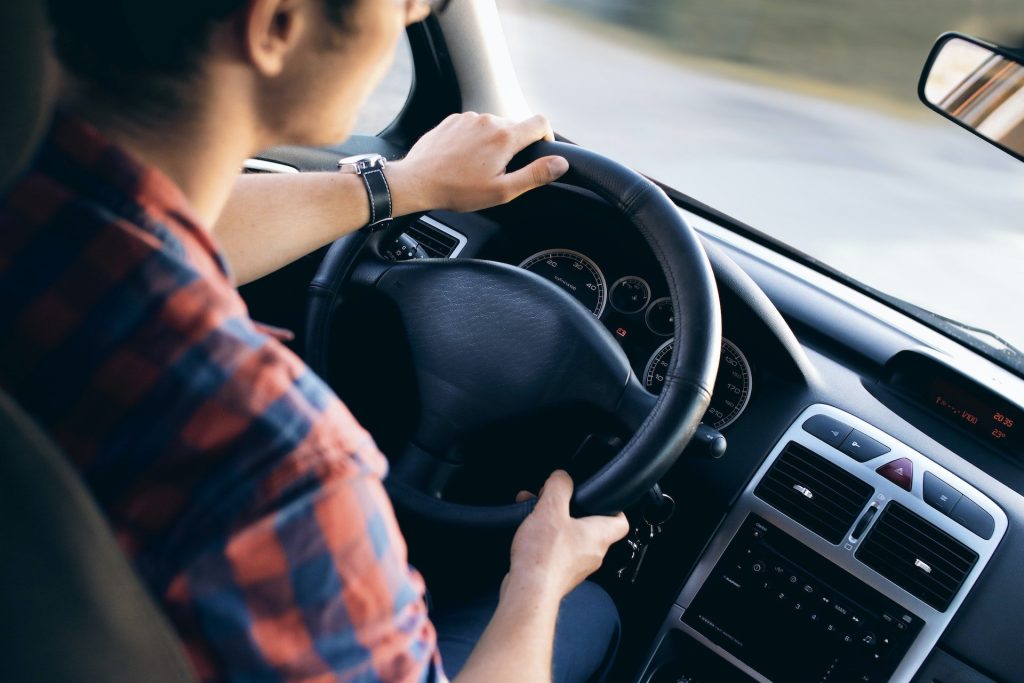
  • Importance of Defensive Driving for Teens in Summer Traffic

    Defensive Driving for Teens

    The Importance of Defensive Driving for Teens in Summer

    Summer is a time of increased road activity, with more drivers, including teenagers, taking to the roads for vacations, outings, and daily commutes. The rise in traffic volume, combined with the inexperience of many teen drivers, makes defensive driving particularly crucial during these months. At the Law Offices of Kyle E. Koester, LLC, we emphasize the importance of defensive driving to ensure the safety of all road users. This article explains why defensive driving is essential for teens during the summer, supported by statistics and Georgia law.

    The Challenges of Summer Driving for Teens

    Teen drivers face unique challenges on the road due to their inexperience and the higher likelihood of engaging in risky driving behaviors. The summer months exacerbate these challenges with increased traffic, more frequent road trips, and longer daylight hours.

    Statistics:

    • According to the National Highway Traffic Safety Administration (NHTSA), motor vehicle crashes are the leading cause of death for teenagers in the United States.
    • The Insurance Institute for Highway Safety (IIHS) reports that the summer months, particularly between Memorial Day and Labor Day, are known as the “100 Deadliest Days” for teen drivers due to the higher incidence of fatal crashes.

    Understanding Defensive Driving

    Defensive driving is a set of driving practices that go beyond basic traffic laws to anticipate and avoid potential hazards. It involves being aware of other drivers, road conditions, and various driving environments, and taking proactive steps to mitigate risks.

    Key Elements of Defensive Driving:

    • Awareness: Staying aware of your surroundings and anticipating the actions of other drivers.
    • Preparedness: Being prepared to react quickly and safely to sudden changes in traffic conditions.
    • Caution: Exercising caution in all driving situations, particularly in adverse weather or heavy traffic.

    Georgia Laws and Defensive Driving

    Georgia law emphasizes the importance of safe and responsible driving. Under Georgia law (O.C.G.A. § 40-6-241), drivers are required to exercise due care in the operation of their vehicles, which includes avoiding distractions and ensuring that their actions do not endanger others.

    Case Law Example:

    • In Hawkins v. State, 223 Ga. App. 34 (1996), the Georgia Court of Appeals upheld the importance of defensive driving practices, highlighting that failure to exercise due care can result in severe legal consequences, including liability for accidents.

    Tips for Practicing Defensive Driving

    1. Stay Focused and Avoid Distractions

    Distractions are a major cause of accidents, particularly among teen drivers. Emphasize the importance of staying focused on the road at all times.

    Tips:

    • Avoid using mobile phones, eating, or engaging in other activities that divert attention from driving.
    • Encourage the use of hands-free devices if communication is necessary.
    1. Maintain a Safe Following Distance

    Keeping a safe distance from the vehicle in front allows more time to react to sudden stops or changes in traffic.

    Tips:

    • Follow the “three-second rule”: maintain at least three seconds of distance between your vehicle and the one ahead.
    • Increase this distance in adverse weather conditions or heavy traffic.
    1. Adjust Speed to Conditions

    Driving at appropriate speeds for the current road conditions is crucial. Speed limits are set for ideal conditions and may not be safe in all situations.

    Tips:

    • Slow down in heavy traffic, during bad weather, or in unfamiliar areas.
    • Observe posted speed limits and adjust your speed according to the flow of traffic.

    For more on the importance of speed limits, read our article on The Role of Speed Limits in Summer Driving Safety.

    1. Be Aware of Other Drivers

    Anticipate the actions of other drivers and be prepared to react safely. This includes watching for signs of aggressive driving, distracted driving, or impaired driving.

    Tips:

    • Use your mirrors frequently to stay aware of surrounding traffic.
    • Avoid engaging with aggressive drivers and report dangerous behavior to authorities if necessary.
    1. Plan Your Route and Allow Extra Time

    Planning your route in advance and allowing extra time for your journey can reduce the temptation to rush and make risky driving decisions.

    Tips:

    • Use navigation tools to find the safest and least congested routes.
    • Allow extra time for potential delays due to traffic or road construction.

    For more advice on navigating road construction, visit our article on How to Deal with Road Construction in Summer.

    Legal Support for Teen Drivers

    If your teen is involved in an accident, understanding your legal rights and options is crucial. At the Law Offices of Kyle E. Koester, LLC, we specialize in representing accident victims and can provide the guidance needed to navigate the legal complexities.

    Georgia Law:

    • Under Georgia’s comparative negligence law (O.C.G.A. § 51-12-33), a driver who is partially at fault for an accident can still recover damages, provided they are not more than 50% at fault.

    For more information on legal recourse after an accident, refer to our detailed guide on Legal Rights After a Summer Car Accident.

    Conclusion

    Teaching teens the principles of defensive driving is essential for ensuring their safety and the safety of others on the road during the summer months. By staying focused, maintaining safe distances, adjusting speeds, and being aware of other drivers, teens can significantly reduce the risk of accidents. For personalized legal assistance and to ensure your teen’s rights are protected, contact the Law Offices of Kyle E. Koester, LLC. We are here to support you and your family through every step of the process.

    Sources:

    1. National Highway Traffic Safety Administration (NHTSA)
    2. Insurance Institute for Highway Safety (IIHS)
    3. Official Code of Georgia Annotated (O.C.G.A.)
    4. Georgia Court of Appeals Case: Hawkins v. State, 223 Ga. App. 34 (1996)

    Stay informed by exploring our 100 Deadliest Days of Summer campaign, and drive safely this summer!

    Schedule a Woodstock, GA Attorney Consultation

    If you or a loved one are suffering injuries caused by the negligence of another driver, contact the Law Offices of Kyle E. Koester, LLC. Our Woodstock attorneys specialize in personal injuries from car accidents, truck accidents, and traumatic brain injuries (TBI).

    Don’t wait until it is too late. Call us now at (770) 744-5250 to schedule a consultation.

  • How to Handle a Tire Blowout in Summer Traffic

    Tire Blowout in Summer Traffic

    How to Handle a Tire Blowout in Summer Traffic

    Experiencing a tire blowout while driving, especially in summer traffic, can be a frightening and dangerous situation. Knowing how to handle a blowout safely is crucial to prevent accidents and ensure your safety. At the Law Offices of Kyle E. Koester, LLC, we are committed to providing drivers with the knowledge and skills needed to navigate such emergencies. This article outlines the steps to safely handle a tire blowout while driving, supported by statistics and Georgia law.

    Understanding the Risks of Tire Blowouts

    Tire blowouts are sudden and can cause a loss of control, especially at high speeds. They are more common during the summer months due to increased travel, higher temperatures, and often under-maintained vehicles.

    Statistics:

    • According to the National Highway Traffic Safety Administration (NHTSA), tire-related crashes cause approximately 11,000 accidents each year in the United States.
    • The NHTSA also reports that blowouts are more likely to occur during the summer due to the heat causing tire pressure to increase, which can exacerbate existing tire issues.

    Steps to Handle a Tire Blowout Safely

    1. Stay Calm and Maintain Control

    When a blowout occurs, it’s essential to remain calm. Panicking can lead to overreactions that might cause further loss of control.

    Tips:

    • Grip the steering wheel firmly with both hands.
    • Avoid making sudden steering movements.
    1. Do Not Slam on the Brakes

    Slamming on the brakes can cause your vehicle to skid or spin, especially if the blowout occurs at high speed.

    Tips:

    • Gradually release the accelerator to slow down.
    • Keep the vehicle moving straight by steering gently.
    1. Allow the Vehicle to Slow Down Gradually

    Let the car decelerate naturally. Braking should be done slowly and only after you have regained control of the vehicle.

    Tips:

    • Once the car has slowed down significantly, apply the brakes gently to bring the vehicle to a complete stop.
    1. Steer to a Safe Location

    As you slow down, steer your vehicle to a safe area away from traffic, such as the shoulder of the road.

    Tips:

    • Use your turn signal to indicate your intentions to other drivers.
    • Aim for a flat, stable surface where you can safely stop and assess the damage.
    1. Turn on Hazard Lights

    Once you have safely pulled over, turn on your hazard lights to alert other drivers of your situation.

    Tips:

    • Keep your hazard lights on until you are safely off the road and have assessed the situation.

    Legal and Safety Considerations

    Understanding the legal and safety considerations can help you better handle a blowout and its aftermath.

    Georgia Law:

    • Under Georgia law (O.C.G.A. § 40-6-241), drivers are required to exercise due care in operating their vehicles. This includes maintaining their vehicles in a safe condition, such as ensuring tires are properly inflated and free of significant wear.

    Case Law Example:

    • In Smith v. State, 289 Ga. 415 (2011), the Georgia Supreme Court upheld the importance of vehicle maintenance in ensuring road safety. The case highlighted that negligence in maintaining vehicle parts, such as tires, can lead to legal consequences.

    Preventive Measures to Avoid Tire Blowouts

    While knowing how to handle a blowout is crucial, prevention is equally important. Regular maintenance and inspection of your tires can significantly reduce the risk of blowouts.

    1. Regularly Check Tire Pressure

    Maintain the recommended tire pressure levels for your vehicle. Over-inflation and under-inflation can both lead to blowouts.

    Tips:

    • Check tire pressure at least once a month and before long trips.
    • Use a reliable tire pressure gauge for accurate readings.
    1. Inspect Tire Condition

    Regularly inspect your tires for signs of wear and damage. Look for cracks, bulges, or objects embedded in the tread.

    Tips:

    • Rotate your tires every 5,000 to 7,000 miles to ensure even wear.
    • Replace tires that show significant wear or damage.

    For more on maintaining your vehicle for summer travel, visit our article on The Importance of Checking Tire Pressure in Summer.

    1. Avoid Overloading Your Vehicle

    Carrying too much weight can put extra stress on your tires, increasing the risk of a blowout.

    Tips:

    • Check your vehicle’s load capacity in the owner’s manual.
    • Distribute weight evenly and avoid carrying unnecessary items.

    Legal Support for Tire-Related Accidents

    If you or a loved one has been involved in an accident caused by a tire blowout, it’s crucial to seek legal advice. At the Law Offices of Kyle E. Koester, LLC, we specialize in representing victims of car accidents, ensuring they receive the compensation they deserve. Our expertise in Georgia traffic laws and personal injury claims can help navigate the complexities of the legal system.

    For more information on legal recourse after an accident, refer to our detailed guide on Legal Rights After a Summer Car Accident.

    Conclusion

    Experiencing a tire blowout can be a frightening event, but knowing how to handle it safely can prevent further danger. By staying calm, maintaining control, and following the outlined steps, you can navigate this emergency situation effectively. For personalized legal assistance and to ensure your rights are protected, contact the Law Offices of Kyle E. Koester, LLC. We are here to support you through every step of the process.

    Sources:

    1. National Highway Traffic Safety Administration (NHTSA)
    2. Official Code of Georgia Annotated (O.C.G.A.)
    3. Georgia Supreme Court Case: Smith v. State, 289 Ga. 415 (2011)

    Stay informed by exploring our 100 Deadliest Days of Summer campaign, and drive safely this summer!

    Schedule a Woodstock, GA Attorney Consultation

    If you or a loved one are suffering injuries caused by the negligence of another driver, contact the Law Offices of Kyle E. Koester, LLC. Our Woodstock attorneys specialize in personal injuries from car accidents, truck accidents, and traumatic brain injuries (TBI).

    Don’t wait until it is too late. Call us now at (770) 744-5250 to schedule a consultation.

  • How to Teach Your Teen Safe Driving Habits This Summer

    Teen Driver Safety for The Summer Months

    How to Teach Your Teen Safe Driving Habits This Summer

    As the summer months approach, many teens are eager to hit the road, enjoying the freedom that comes with driving. However, with this newfound freedom comes significant responsibility. Teaching your teen safe driving habits is crucial for their safety and the safety of others on the road. At the Law Offices of Kyle E. Koester, LLC, we understand the importance of instilling good driving practices in young drivers. This article provides tips for parents to teach their teens safe driving practices, supported by statistics, Georgia law, and case law.

    The Importance of Safe Driving Habits for Teens

    Teen drivers are at a higher risk of being involved in traffic accidents compared to other age groups. According to the National Highway Traffic Safety Administration (NHTSA), car crashes are the leading cause of death for teenagers in the United States. In Georgia, teen drivers account for a significant portion of traffic accidents, especially during the summer months when road travel increases.

    Statistics:

    Understanding Georgia Laws for Teen Drivers

    Georgia has specific laws designed to promote safe driving among teenagers. Understanding these laws is essential for parents and teens alike to ensure compliance and promote safe driving habits.

    Georgia Law:

    Case Law Example:

    • In State v. Jones, 295 Ga. 900 (2014), the Georgia Supreme Court upheld the enforcement of Joshua’s Law, emphasizing the importance of driver education and supervised driving experience in reducing teen driving accidents.

    Tips for Teaching Safe Driving Habits

    1. Lead by Example

    One of the most effective ways to teach your teen safe driving habits is by setting a good example. Teens often mimic their parents’ behavior, so it’s crucial to demonstrate safe driving practices consistently.

    Details:

    • Always wear your seatbelt, adhere to speed limits, and avoid distractions while driving. Show your teen that responsible driving is a priority for you.
    • Discuss your driving decisions with your teen, explaining why you follow certain rules and how they contribute to overall safety.
    1. Emphasize the Importance of Seatbelts

    Seatbelt use is one of the simplest yet most effective ways to prevent injuries and fatalities in a car accident. Make sure your teen understands the importance of wearing a seatbelt every time they drive or ride in a vehicle.

    Statistics:

    • The NHTSA reports that seatbelts saved an estimated 14,955 lives in 2017 alone.
    • In Georgia, seatbelt use is mandatory for all front-seat occupants (O.C.G.A. § 40-8-76.1), and failure to comply can result in fines and points on the driver’s license.
    1. Discuss the Dangers of Distracted Driving

    Distracted driving is a significant cause of accidents, especially among teens who may be tempted to use their phones while driving. Teach your teen about the risks of distracted driving and the importance of staying focused on the road.

    Details:

    • Share statistics and real-life stories about accidents caused by distracted driving to highlight its dangers.
    • Encourage your teen to use apps that block incoming calls and texts while driving or to set their phone to “Do Not Disturb” mode.

    Georgia Law:

    • The Hands-Free Georgia Act (O.C.G.A. § 40-6-241) prohibits drivers from holding or supporting a wireless telecommunications device while driving. Violations can result in fines and points on the driver’s license.
    1. Instill the Importance of Speed Limits

    Speeding is a common factor in teen driving accidents. Teach your teen the importance of adhering to speed limits and how speed affects their ability to react to unexpected situations.

    Details:

    • Explain how speeding reduces reaction time and increases stopping distance, making it more difficult to avoid accidents.
    • Use practical demonstrations, such as comparing stopping distances at different speeds, to illustrate the impact of speed on driving safety.

    Case Law Example:

    • In State v. Martin, 273 Ga. 411 (2001), the Georgia Supreme Court reinforced the enforcement of speed limits, noting that adherence to these limits is critical in reducing traffic fatalities and injuries.
    1. Educate About the Dangers of Impaired Driving

    Impaired driving, whether due to alcohol, drugs, or fatigue, significantly increases the risk of accidents. Ensure your teen understands the severe consequences of driving under the influence.

    Details:

    • Discuss the physical and legal repercussions of impaired driving, including the risk of fatal accidents, legal penalties, and the impact on their future.
    • Encourage your teen to call you for a ride if they ever find themselves in a situation where they cannot drive safely.

    Georgia Law:

    • Georgia’s DUI laws (O.C.G.A. § 40-6-391) impose strict penalties for driving under the influence, including fines, license suspension, and possible imprisonment.

    The Role of Supervised Practice

    Supervised practice is a cornerstone of effective driver education. Spend ample time driving with your teen, offering constructive feedback and gradually increasing their exposure to different driving conditions.

    Details:

    • Start with low-risk environments, such as empty parking lots, and gradually progress to more challenging scenarios like highway driving and night driving.
    • Use each driving session as an opportunity to reinforce safe driving habits and address any areas where your teen needs improvement.

    For more comprehensive advice on teen driving safety, visit our article on The Impact of Increased Teen Drivers in Summer.

    Legal Support for Teen Drivers

    If your teen is involved in an accident, it’s crucial to understand your legal rights and options. At the Law Offices of Kyle E. Koester, LLC, we specialize in representing accident victims and can provide the guidance you need to navigate the legal complexities.

    For more information on legal recourse after an accident, refer to our detailed guide on Legal Rights After a Summer Car Accident.

    Conclusion

    Teaching your teen safe driving habits is essential for their safety and the safety of others on the road. By leading by example, emphasizing the importance of seatbelts, discussing the dangers of distracted and impaired driving, and providing supervised practice, you can help your teen become a responsible driver. For personalized legal assistance and to ensure your teen’s rights are protected, contact the Law Offices of Kyle E. Koester, LLC. We are here to support you and your family through every step of the process.

    Sources:

    1. National Highway Traffic Safety Administration (NHTSA)
    2. Centers for Disease Control and Prevention (CDC)
    3. Governor’s Office of Highway Safety (Georgia)
    4. Official Code of Georgia Annotated (O.C.G.A.)
    5. Georgia Supreme Court Cases: State v. Jones, 295 Ga. 900 (2014); State v. Martin, 273 Ga. 411 (2001)

    Stay informed by exploring our 100 Deadliest Days of Summer campaign, and drive safely this summer!

    Schedule a Woodstock, GA Attorney Consultation

    If you or a loved one are suffering injuries caused by the negligence of another driver, contact the Law Offices of Kyle E. Koester, LLC. Our Woodstock attorneys specialize in personal injuries from car accidents, truck accidents, and traumatic brain injuries (TBI).

    Don’t wait until it is too late. Call us now at (770) 744-5250 to schedule a consultation.

  • Role of Speed Limits in Summer Driving Safety

    Speed in Summer Safety

    Role of Speed Limits in Summer Driving Safety

    Summer brings longer days, vacations, and an increase in road travel. However, it also sees a rise in traffic accidents, often exacerbated by speeding. At the Law Offices of Kyle E. Koester, LLC, we understand the critical role that adhering to speed limits plays in ensuring road safety. This article explores how speed limits contribute to preventing accidents and offers practical advice for safe summer driving, supported by statistics and Georgia law.

    The Importance of Speed Limits

    Speed limits are established based on extensive research and are designed to maximize safety for all road users. They take into account various factors such as road conditions, traffic patterns, and accident history. Adhering to these limits helps reduce the risk of accidents by ensuring that vehicles are traveling at safe speeds.

    Statistics:

    • According to the National Highway Traffic Safety Administration (NHTSA), speeding was a contributing factor in 26% of all traffic fatalities in 2019.
    • The Insurance Institute for Highway Safety (IIHS) reports that higher speeds increase the likelihood of crashes and the severity of injuries.

    Georgia Laws on Speed Limits

    Georgia law (O.C.G.A. § 40-6-181) sets specific speed limits for different types of roads and situations. These limits are designed to ensure the safety of all road users, including drivers, passengers, pedestrians, and cyclists.

    Key Provisions:

    • Urban and Residential Areas: The speed limit is typically 30 miles per hour unless otherwise posted.
    • Rural Roads: The speed limit is generally 35 miles per hour on unpaved roads and 55 miles per hour on paved roads.
    • Highways: The speed limit can range from 55 to 70 miles per hour, depending on the specific highway and area.

    Case Law Example:

    • In State v. Gonzalez, 276 Ga. 683 (2003), the Georgia Supreme Court upheld the enforcement of speed limits, emphasizing the role of speed regulations in maintaining public safety and reducing accidents.

    How Speeding Increases Accident Risks

    Speeding reduces the driver’s ability to react to sudden changes in the road, such as obstacles, curves, or other vehicles. It also increases the stopping distance required to bring the vehicle to a halt.

    Risks of Speeding:

    • Reduced Reaction Time: Higher speeds mean less time to react to hazards.
    • Increased Stopping Distance: The faster you drive, the longer it takes to stop.
    • Greater Impact Force: Higher speeds result in more severe collisions and greater injury risks.

    Tips for Adhering to Speed Limits

    1. Plan Your Trip

    Allowing extra time for your journey can help you avoid the temptation to speed. Plan your route and schedule to ensure you arrive at your destination safely and on time.

    Tips:

    • Use navigation apps to find the quickest and safest routes.
    • Check traffic and weather conditions before you leave.
    1. Use Cruise Control

    On highways and long stretches of road, use cruise control to maintain a constant speed and avoid unintentional speeding.

    Tips:

    • Set the cruise control to the posted speed limit.
    • Be prepared to disengage cruise control in heavy traffic or adverse weather conditions.
    1. Stay Aware of Speed Limits

    Speed limits can change frequently, especially in construction zones, school zones, and urban areas. Pay attention to road signs and adjust your speed accordingly.

    Tips:

    • Keep an eye out for speed limit signs, especially when entering new areas.
    • Be extra cautious in areas with frequent speed limit changes.

    For more on navigating road construction zones, read our article on How to Deal with Road Construction in Summer.

    1. Educate Young Drivers

    Teen drivers are more likely to speed due to inexperience and a greater propensity for risk-taking. Educate young drivers about the importance of adhering to speed limits and the potential consequences of speeding.

    Tips:

    • Set a good example by following speed limits yourself.
    • Discuss the dangers of speeding and share real-life consequences.
    1. Stay Calm and Avoid Aggressive Driving

    Traffic congestion and delays can lead to frustration and aggressive driving behaviors, including speeding. Stay calm and patient to ensure a safe journey.

    Tips:

    • Practice deep breathing or listen to calming music to manage stress.
    • Avoid aggressive maneuvers such as tailgating or frequent lane changes.

    For more on managing aggressive driving, visit our article on How to Avoid Aggressive Drivers in Summer.

    Legal Support for Speed-Related Accidents

    If you or a loved one has been involved in an accident caused by speeding, it’s crucial to seek legal advice. At the Law Offices of Kyle E. Koester, LLC, we specialize in representing victims of speed-related accidents, ensuring they receive the compensation they deserve. Our expertise in Georgia traffic laws and personal injury claims can help navigate the complexities of the legal system.

    For more information on legal recourse after an accident, refer to our detailed guide on Legal Rights After a Summer Car Accident.

    Conclusion

    Adhering to speed limits is a simple yet effective way to enhance road safety, especially during the busy summer months. By understanding the risks of speeding and following practical tips, drivers can significantly reduce the likelihood of accidents. For personalized legal assistance and to ensure your rights are protected, contact the Law Offices of Kyle E. Koester, LLC. We are here to help you navigate the legal system and secure the compensation you deserve.

    Sources:

    1. National Highway Traffic Safety Administration (NHTSA)
    2. Insurance Institute for Highway Safety (IIHS)
    3. Official Code of Georgia Annotated (O.C.G.A.)
    4. Georgia Supreme Court Case: State v. Gonzalez, 276 Ga. 683 (2003)

    Stay informed by exploring our 100 Deadliest Days of Summer campaign, and drive safely this summer!

    Schedule a Woodstock, GA Attorney Consultation

    If you or a loved one are suffering injuries caused by the negligence of another driver, contact the Law Offices of Kyle E. Koester, LLC. Our Woodstock attorneys specialize in personal injuries from car accidents, truck accidents, and traumatic brain injuries (TBI).

    Don’t wait until it is too late. Call us now at (770) 744-5250 to schedule a consultation.

  • Legal Rights After a Summer Car Accident

    Legal Rights After a Summer Car Accident

    Legal Rights After a Summer Car Accident in Georgia

    Summer is a time for relaxation and enjoyment, but it can also bring an increase in traffic accidents due to more people traveling on the roads. Understanding your legal rights and the steps to take after a car accident is crucial for protecting yourself and ensuring you receive the compensation you deserve. At the Law Offices of Kyle E. Koester, LLC, we are dedicated to helping accident victims navigate the complexities of the legal system. This article provides an overview of your legal rights and the steps to take after a summer car accident, supported by statistics and Georgia law.

    The Surge in Summer Car Accidents

    The summer months often see a rise in car accidents due to increased travel, vacations, and holiday celebrations. According to the National Highway Traffic Safety Administration (NHTSA), traffic fatalities peak during the summer, with notable increases during holiday weekends such as Memorial Day, Independence Day, and Labor Day.

    Statistics:

    • The NHTSA reports that the months of June, July, and August consistently see higher numbers of traffic fatalities compared to other months.
    • In Georgia, the Governor’s Office of Highway Safety highlights a significant uptick in traffic accidents and fatalities during the summer months.

    Immediate Steps to Take After an Accident

    1. Ensure Safety and Call for Help

    The first priority after an accident is to ensure the safety of all parties involved. Move to a safe location if possible and call 911 to report the accident and request medical assistance if needed.

    Tips:

    • Turn on your hazard lights to alert other drivers.
    • Do not leave the scene of the accident until authorities arrive.
    1. Exchange Information

    Exchange contact and insurance information with the other driver(s) involved in the accident. This information will be crucial for filing insurance claims and any potential legal action.

    Tips:

    • Collect names, addresses, phone numbers, driver’s license numbers, and insurance details.
    • Note the make, model, and license plate numbers of all vehicles involved.
    1. Document the Scene

    Gathering evidence at the scene can be vital for your case. Take photographs of the vehicles, the accident scene, any visible injuries, and any contributing factors such as road conditions or signage.

    Tips:

    • Use your smartphone to take clear, detailed photos.
    • If possible, get contact information from any witnesses.

    For more detailed advice on handling the aftermath of an accident, refer to our article on Steps to Take After a Car Accident.

    Legal Rights After an Accident

    Understanding your legal rights is essential for navigating the aftermath of a car accident. In Georgia, you have the right to seek compensation for your injuries and damages.

    1. Right to Compensation

    You have the right to seek compensation for medical expenses, property damage, lost wages, and pain and suffering resulting from the accident. This compensation can be sought through insurance claims or personal injury lawsuits.

    Georgia Law:

    • Under Georgia’s comparative negligence law (O.C.G.A. § 51-12-33), you can recover damages even if you are partially at fault for the accident, as long as you are not more than 50% at fault.
    1. Right to Legal Representation

    You have the right to hire an attorney to represent your interests and help you navigate the legal process. An experienced personal injury attorney can negotiate with insurance companies, gather evidence, and advocate on your behalf.

    Tips:

    • Contact an attorney as soon as possible after the accident.
    • Keep all documentation related to the accident, including medical records and repair estimates.
    1. Right to a Fair Settlement

    Insurance companies may offer quick settlements that do not fully cover your damages. You have the right to pursue a fair settlement that adequately compensates you for your losses.

    Tips:

    • Do not accept the first settlement offer without consulting an attorney.
    • Be aware of the statute of limitations for filing a personal injury claim in Georgia, which is generally two years from the date of the accident (O.C.G.A. § 9-3-33).

    Seeking Legal Assistance

    Navigating the aftermath of a car accident can be complex and overwhelming. Seeking legal assistance can help ensure your rights are protected and that you receive the compensation you deserve. At the Law Offices of Kyle E. Koester, LLC, we specialize in representing victims of car accidents and have extensive experience in Georgia traffic laws and personal injury claims.

    For more information on legal recourse and support, explore our article on Legal Support for Accident Victims.

    Protect Your Rights if You Are Injured in an Auto Accident this Summer

    A car accident can be a traumatic and confusing experience, especially during the busy summer months. Understanding your legal rights and taking the appropriate steps after an accident can make a significant difference in the outcome of your case. For personalized legal assistance and to ensure your rights are protected, contact the Law Offices of Kyle E. Koester, LLC. We are here to help you navigate the complexities of the legal system and secure the compensation you deserve.

    Sources:

    1. National Highway Traffic Safety Administration (NHTSA)
    2. Governor’s Office of Highway Safety (Georgia)
    3. Official Code of Georgia Annotated (O.C.G.A.)

    Stay informed by exploring our 100 Deadliest Days of Summer campaign, and drive safely this summer!

    Schedule a Woodstock, GA Attorney Consultation

    If you or a loved one are suffering injuries caused by the negligence of another driver, contact the Law Offices of Kyle E. Koester, LLC. Our Woodstock attorneys specialize in personal injuries from car accidents, truck accidents, and traumatic brain injuries (TBI).

    Don’t wait until it is too late. Call us now at (770) 744-5250 to schedule a consultation.

  • How to Deal with Road Construction in Summer

    Road Construction Accidents in the Summer

    How to Deal with Road Construction in Summer

    Summer is not only a peak time for travel but also a prime season for road construction. Navigating through Georgia construction zones can be challenging and hazardous, especially in the Atlanta area. At the Law Offices of Kyle E. Koester, LLC, we understand the risks associated with driving through these areas and aim to provide valuable tips for safe navigation. This article explores how to deal with road construction in summer, supported by statistics and Georgia law.

    The Risks of Road Construction Zones

    Road construction zones are fraught with potential dangers, including narrowed lanes, abrupt lane shifts, reduced speed limits, and the presence of construction workers and equipment. These factors can significantly increase the risk of accidents.

    Statistics:

    Georgia Laws on Road Construction Zones

    Georgia has specific laws designed to protect both drivers and construction workers in road construction zones. Under Georgia law (O.C.G.A. § 40-6-188), drivers are required to reduce their speed and exercise caution when approaching and passing through work zones. Violating these laws can result in significant fines and penalties.

    Case Law Example:

    • In Smith v. State, 276 Ga. App. 17 (2005), the Georgia Court of Appeals upheld enhanced penalties for a driver who caused a fatal accident in a construction zone, emphasizing the legal responsibility to adhere to work zone safety laws.

    Tips for Navigating Road Construction Zones Safely

    1. Stay Informed

    Before starting your trip, check for any construction updates or road closures along your route. Many navigation apps and websites provide real-time information on road conditions and construction zones.

    Tips:

    • Use apps like Waze or Google Maps to get real-time traffic updates.
    • Visit the Georgia Department of Transportation (GDOT) website for the latest construction alerts.
    1. Follow Posted Signs and Signals

    Construction zones are well-marked with signs and signals that provide important information about lane closures, speed limits, and detours. Pay close attention to these signs and follow them carefully.

    Tips:

    • Look for orange signs indicating construction zones.
    • Obey all flaggers and traffic signals within the work zone.
    1. Reduce Speed

    Speeding is a leading cause of accidents in construction zones. Reduce your speed to the posted limit and be prepared for sudden stops or changes in traffic flow.

    Georgia Law:

    • Georgia law (O.C.G.A. § 40-6-188) mandates reduced speed limits in construction zones. Violators can face doubled fines and other penalties.

    Tips:

    • Maintain a safe following distance from the vehicle in front of you.
    • Avoid sudden braking or acceleration.
    1. Stay Alert and Minimize Distractions

    Construction zones require your full attention. Stay alert for any changes in the road or traffic patterns and avoid distractions such as mobile phones or in-car entertainment systems.

    Tips:

    • Keep both hands on the wheel and eyes on the road.
    • Avoid using your phone or other devices while driving through a construction zone.

    For more on avoiding distractions, see our article on The Dangers of Distracted Driving in Summer.

    1. Be Prepared for Lane Shifts and Changes

    Construction zones often involve lane shifts or reductions. Be prepared to merge safely and follow any temporary lane markings.

    Tips:

    • Merge early and do not wait until the last minute to change lanes.
    • Follow the path indicated by cones or barriers.
    1. Watch for Construction Workers and Equipment

    Construction workers and equipment can be present in or near the roadway. Stay vigilant and be prepared to stop or slow down if necessary.

    Tips:

    • Look for workers wearing high-visibility clothing.
    • Be cautious around heavy machinery and construction vehicles.

    Legal Support for Construction Zone Accidents

    If you or a loved one has been involved in an accident in a construction zone, it’s crucial to seek legal advice. At the Law Offices of Kyle E. Koester, LLC, we specialize in representing victims of construction zone accidents, ensuring they receive the compensation they deserve. Our expertise in Georgia traffic laws and personal injury claims can help navigate the complexities of the legal system.

    For more information on what to do after an accident, refer to our detailed guide on What to do After a Car Accident.

    Conclusion

    Navigating through road construction zones during the summer requires extra caution and attention. By staying informed, following posted signs, reducing speed, and staying alert, you can help ensure a safer journey for yourself and others on the road. For legal assistance and more information on safe driving practices, contact the Law Offices of Kyle E. Koester, LLC.

    Sources:

    1. Federal Highway Administration (FHWA)
    2. Georgia Department of Transportation (GDOT)
    3. Official Code of Georgia Annotated (O.C.G.A.)
    4. Georgia Court of Appeals Case: Smith v. State, 276 Ga. App. 17 (2005)

    Stay informed by exploring our 100 Deadliest Days of Summer campaign, and drive safely this summer!

    Schedule a Woodstock, GA Attorney Consultation

    If you or a loved one are suffering injuries caused by the negligence of another driver, contact the Law Offices of Kyle E. Koester, LLC. Our Woodstock personal injury attorneys specialize in personal injuries from car accidents, truck accidents, and traumatic brain injuries (TBI).

    Don’t wait until it is too late. Call us now at (770) 744-5250 to schedule a consultation.