Category: Personal Injury Lawyer

  • The Importance of Checking Tire Pressure in Summer

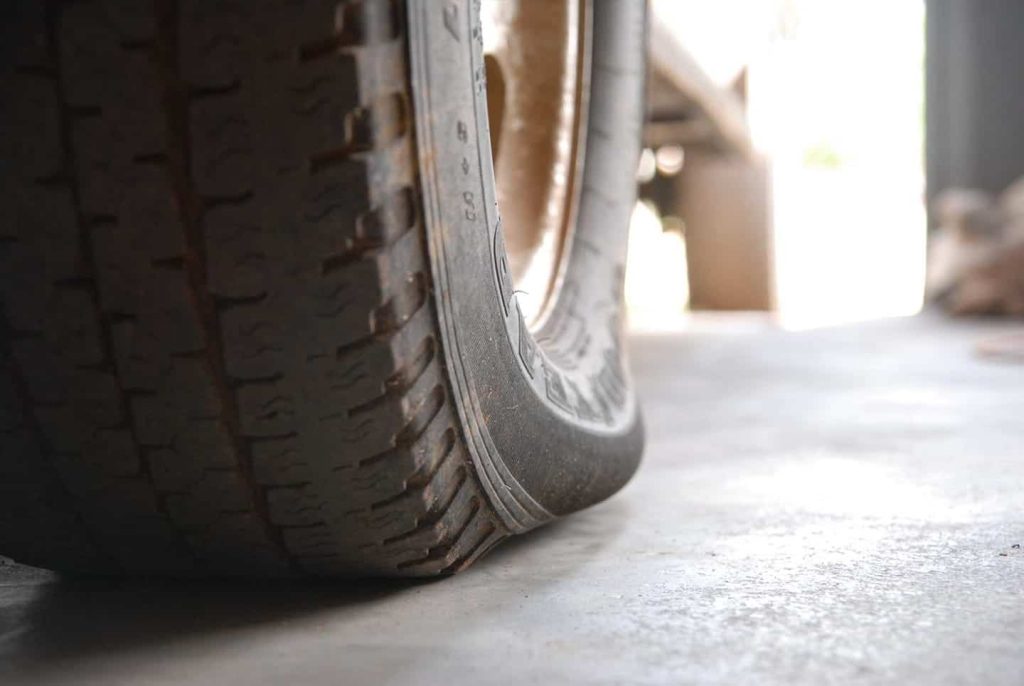
    Tire Pressure in the Summer

    The Importance of Checking Tire Pressure in Summer

    Summer driving comes with its own set of challenges, and one critical aspect of vehicle maintenance often overlooked is tire pressure. Ensuring your tires are properly inflated is essential for safety, fuel efficiency, and overall vehicle performance. At the Law Offices of Kyle E. Koester, LLC, we emphasize the importance of checking tire pressure, particularly during the hot summer months. This article explores why tire pressure is crucial for summer driving safety, supported by statistics and Georgia law.

    Why Tire Pressure Matters

    Tire pressure affects every aspect of your vehicle’s performance, from handling and braking to fuel efficiency and tire longevity. Incorrect tire pressure can lead to dangerous driving conditions, increasing the risk of accidents.

    Statistics:

    • According to the National Highway Traffic Safety Administration (NHTSA), under-inflated tires are a factor in approximately 33,000 accidents annually.
    • The NHTSA also reports that proper tire maintenance, including correct tire pressure, can save lives and prevent injuries.

    The Impact of Summer Heat on Tire Pressure

    During the summer, high temperatures can cause the air inside your tires to expand, leading to over-inflation. Conversely, tires can lose air over time, leading to under-inflation. Both conditions are hazardous and can affect your vehicle’s performance.

    Effects of Over-Inflation:

    • Reduced traction and stability
    • Increased risk of blowouts
    • Uneven tire wear

    Effects of Under-Inflation:

    • Decreased fuel efficiency
    • Poor handling and braking
    • Increased tire wear and risk of overheating

    Georgia Laws and Regulations

    In Georgia, maintaining your vehicle, including the tires, is a legal requirement to ensure road safety. Under Georgia law (O.C.G.A. § 40-8-7), vehicles must be kept in safe operating condition. Failure to maintain proper tire pressure can be considered negligence, particularly if it contributes to an accident.

    Tips for Checking and Maintaining Tire Pressure

    1. Check Tire Pressure Regularly

    During the summer, it’s crucial to check your tire pressure more frequently. Tire pressure should be checked at least once a month and before long trips.

    Tips:

    • Use a reliable tire pressure gauge.
    • Check the pressure when tires are cold for an accurate reading.
    • Refer to your vehicle’s manual for the recommended tire pressure.
    1. Monitor Tire Condition

    Regularly inspect your tires for signs of wear and damage, such as cuts, punctures, or bulges.

    Tips:

    • Rotate your tires every 5,000 to 7,000 miles to ensure even wear.
    • Replace tires that show significant wear or damage.
    1. Adjust for Temperature Changes

    As temperature affects tire pressure, it’s important to adjust accordingly. For every 10 degrees Fahrenheit change in temperature, tire pressure can change by about 1 psi.

    Tips:

    • Inflate tires to the recommended pressure, considering the expected temperature changes.
    • Check tire pressure after significant weather changes.
    1. Use Quality Equipment

    Invest in a good tire pressure gauge and consider using a portable air compressor to maintain proper tire pressure on the go.

    Tips:

    • Keep a tire pressure gauge in your vehicle for regular checks.
    • Ensure your spare tire is also properly inflated.

    For more on maintaining your vehicle for summer travel, read our article on How to Prepare Your Car for Summer Travel.

    The Risks of Ignoring Tire Pressure

    Neglecting tire pressure can lead to severe consequences, including increased risk of accidents and costly repairs.

    Risks:

    • Blowouts: Over-inflated or under-inflated tires are more susceptible to blowouts, which can cause loss of vehicle control.
    • Accidents: Poor tire condition can lead to accidents due to reduced handling and braking efficiency.
    • Legal Consequences: In the event of an accident, improper tire maintenance can be considered negligence, impacting your legal standing and liability.

    Legal Support for Tire-Related Accidents

    If you or a loved one has been involved in an accident due to tire failure or improper maintenance, it’s crucial to seek legal advice. At the Law Offices of Kyle E. Koester, LLC, we specialize in representing victims of car accidents, ensuring they receive the compensation they deserve. Our expertise in Georgia traffic laws and personal injury claims can help navigate the complexities of the legal system.

    For more information on legal recourse after an accident, refer to our detailed guide on What to do After a Car Accident.

    Don’t Let Bad Tire Pressure Ruin Your Summer

    Ensuring proper tire pressure is a simple yet critical aspect of vehicle maintenance, especially during the summer months. By regularly checking and maintaining your tires, you can enhance your vehicle’s performance, improve safety, and prevent accidents. For legal assistance and more information on safe driving practices, contact the Law Offices of Kyle E. Koester, LLC.

    Sources:

    1. National Highway Traffic Safety Administration (NHTSA)
    2. Official Code of Georgia Annotated (O.C.G.A.)

    Stay informed by exploring our 100 Deadliest Days of Summer campaign, and drive safely this summer!

    Schedule a Woodstock, GA Attorney Consultation

    If you or a loved one are suffering injuries caused by the negligence of another driver, contact the Law Offices of Kyle E. Koester, LLC. Our Woodstock attorneys specialize in personal injuries from car accidents, truck accidents, and traumatic brain injuries (TBI).

    Don’t wait until it is too late. Call us now at (770) 744-5250 to schedule a consultation.
  • Risks of Driving During Peak Travel Times

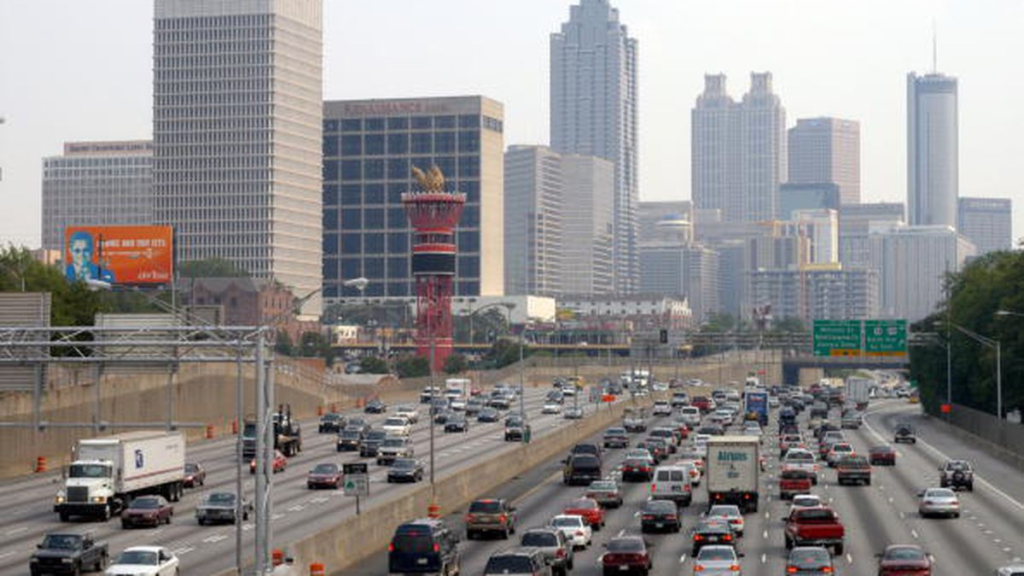
    Atlanta Traffic Congestion in the Summer

    Risks of Driving During Peak Travel Times

    The summer months are synonymous with vacations, road trips, and outdoor activities. However, they also bring about increased traffic and congestion, particularly during peak travel times. At the Law Offices of Kyle E. Koester, LLC, we are dedicated to helping drivers understand the heightened risks associated with these periods. This article delves into how peak travel times increase the likelihood of accidents and offers practical advice to stay safe on the roads.

    The Impact of Peak Travel Times

    Peak travel times refer to periods when traffic volumes are at their highest, typically during weekends, holidays, and the hours when commuters are traveling to and from work. The increase in vehicles on the road during these times can lead to a higher incidence of traffic accidents.

    Statistics:

    • According to the National Highway Traffic Safety Administration (NHTSA), the number of traffic fatalities is significantly higher during peak travel times, particularly during summer holidays such as Memorial Day, Independence Day, and Labor Day.
    • In Georgia, data from the Governor’s Office of Highway Safety shows that weekends and holiday periods see a marked increase in traffic accidents and fatalities.

    Factors Contributing to Increased Risks

    1. Congestion and Traffic Jams

    High volumes of traffic can lead to congestion and traffic jams, increasing the likelihood of rear-end collisions and other types of accidents.

    Tips:

    • Plan your trip to avoid peak travel times whenever possible.
    • Use real-time traffic apps to find the least congested routes.
    1. Driver Fatigue

    Long hours on the road, combined with the stress of heavy traffic, can lead to driver fatigue, which impairs reaction times and decision-making.

    Tips:

    • Ensure you are well-rested before starting your journey.
    • Take regular breaks to rest and recharge during long drives.

    For more tips on avoiding fatigue, check out our article on How to Avoid Fatigue on Long Drives.

    1. Aggressive Driving and Road Rage

    Frustration from traffic congestion can lead to aggressive driving behaviors, such as tailgating, erratic lane changes, and speeding.

    Georgia Law:

    Tips:

    • Stay calm and patient, even in heavy traffic.
    • Avoid engaging with aggressive drivers and report dangerous behavior to the authorities.
    1. Increased Alcohol Consumption

    Holidays and weekends often involve celebrations where alcohol is consumed. Unfortunately, this leads to a higher number of impaired drivers on the road.

    Statistics:

    • The NHTSA reports that nearly one-third of all traffic fatalities in the United States involve drunk drivers, with significant spikes during holiday periods.

    Georgia Law:

    • Georgia’s DUI laws (O.C.G.A. § 40-6-391) impose severe penalties for driving under the influence, including fines, license suspension, and imprisonment.

    For more on the dangers of impaired driving, visit our article on How Alcohol Consumption Increases During Summer.

    1. Distracted Driving

    With more vehicles on the road, the risk of distracted driving increases. Drivers may be tempted to use their phones for navigation, communication, or entertainment, leading to accidents.

    Georgia Law:

    Tips:

    • Use hands-free devices if you need to make a call.
    • Set up your GPS and music playlists before you start driving.

    Preventive Measures for Safe Driving

    1. Plan Ahead

    Planning your trip in advance can help you avoid peak travel times and find the safest routes.

    Tips:

    • Check weather and traffic conditions before you leave.
    • Allow extra time for your journey to avoid rushing.
    1. Maintain Your Vehicle

    Ensure your vehicle is in good condition to handle the stresses of heavy traffic and long drives.

    Tips:

    • Regularly check your vehicle’s fluids, brakes, and tires.
    • Perform any necessary maintenance before embarking on a long trip.

    For more on preparing your vehicle, see our article on How to Prepare Your Car for Summer Travel.

    1. Stay Informed

    Stay updated on traffic laws and safety recommendations to ensure you’re following best practices on the road.

    Tips:

    • Follow local news and traffic reports.
    • Familiarize yourself with Georgia’s traffic laws and regulations.

    Legal Support for Accident Victims

    If you or a loved one has been involved in an accident during peak travel times, it’s crucial to seek legal advice. At the Law Offices of Kyle E. Koester, LLC, we specialize in representing victims of car accidents, ensuring they receive the compensation they deserve. Our expertise in Georgia traffic laws and personal injury claims can help navigate the complexities of the legal system.

    For more information on what to do after an accident, refer to our detailed guide on What to do After a Car Accident.

    Conclusion

    Understanding the risks associated with driving during peak travel times is essential for ensuring your safety on the road. By planning ahead, staying informed, and following best practices, you can reduce the likelihood of accidents and enjoy a safer summer. For legal assistance and more information on safe driving practices, contact the Law Offices of Kyle E. Koester, LLC.

    Sources:

    1. National Highway Traffic Safety Administration (NHTSA)
    2. Governor’s Office of Highway Safety (Georgia)
    3. Official Code of Georgia Annotated (O.C.G.A.)

    Stay informed by exploring our 100 Deadliest Days of Summer campaign, and drive safely this summer!

    Schedule a Woodstock, GA Attorney Consultation

    If you or a loved one are suffering injuries caused by the negligence of another driver, contact the Law Offices of Kyle E. Koester, LLC. Our Woodstock attorneys specialize in personal injuries from car accidents, truck accidents, and traumatic brain injuries (TBI).

    Don’t wait until it is too late. Call us now at (770) 744-5250 to schedule a consultation.

  • How to Avoid Fatigue on Long Drives

    Drowsy Driving

    How to Avoid Fatigue on Long Drives

    Long drives are a common part of summer travel, whether for vacations, road trips, or visiting family and friends. However, driving for extended periods can lead to fatigue, which significantly increases the risk of accidents. At the Law Offices of Kyle E. Koester, LLC, we understand the dangers of driver fatigue and are committed to promoting safe driving practices. This article provides essential tips to stay alert and avoid fatigue during long summer drives, supported by statistics and Georgia law.

    The Dangers of Driver Fatigue

    Driver fatigue impairs reaction time, decision-making, and concentration, making it a major risk factor for traffic accidents. According to the National Highway Traffic Safety Administration (NHTSA), drowsy driving was responsible for 91,000 crashes, 50,000 injuries, and nearly 800 deaths in 2017.

    Statistics:

    Tips to Avoid Fatigue on Long Drives

    1. Get Adequate Sleep Before the Trip

    Ensuring you are well-rested before starting a long drive is crucial. Aim for at least 7-9 hours of sleep the night before your trip.

    Tips:

    • Plan your trip to allow for a full night’s sleep before departure.
    • Avoid driving during times when you would normally be sleeping.
    1. Take Regular Breaks

    Frequent breaks help prevent fatigue by giving you a chance to rest, stretch, and refresh. The NHTSA recommends taking a break every two hours or 100 miles.

    Tips:

    • Schedule rest stops into your travel itinerary.
    • Use rest areas, service stations, or safe locations to stop and relax.
    1. Share Driving Responsibilities

    If possible, share driving duties with another licensed driver. This allows each driver to rest while the other takes over, reducing the risk of fatigue.

    Tips:

    • Plan driver changes in advance and stick to the schedule.
    • Ensure all drivers are adequately rested before their shift.

    For more tips on staying safe during summer travel, visit our article on Top Safety Tips for Memorial Day Road Trips.

    1. Stay Hydrated and Eat Healthy Snacks

    Dehydration and poor nutrition can contribute to fatigue. Keep hydrated and eat healthy snacks to maintain energy levels.

    Tips:

    • Drink plenty of water and avoid caffeinated or sugary beverages, which can lead to energy crashes.
    • Pack nutritious snacks such as fruits, nuts, and whole grains.
    1. Avoid Alcohol and Medications That Cause Drowsiness

    Alcohol and certain medications can impair your ability to drive safely. Avoid consuming anything that can cause drowsiness before or during your trip.

    Tips:

    • Read medication labels and avoid those that have drowsiness as a side effect.
    • Refrain from drinking alcohol before or during your drive.

    Georgia Laws and Regulations

    Georgia law (O.C.G.A. § 40-6-241) requires drivers to exercise due care in operating their vehicles and avoid any actions that could result in accidents. This includes avoiding drowsy driving. In the event of an accident caused by driver fatigue, the fatigued driver may be held liable for damages and injuries.

    Case Law Example:

    • In State v. Johnson, 285 Ga. 571 (2009), the Georgia Supreme Court upheld the conviction of a driver whose fatigue-induced crash resulted in fatalities, emphasizing the legal responsibility to avoid driving while drowsy.

    Recognizing Signs of Fatigue

    Being able to recognize the early signs of fatigue can help you take action before it becomes dangerous.

    Signs of Fatigue:

    • Frequent yawning or blinking
    • Difficulty keeping your head up
    • Trouble remembering the last few miles driven
    • Drifting out of your lane or hitting rumble strips
    • Missing exits or traffic signs

    What to Do If You Feel Fatigued

    If you start to feel tired while driving, it’s important to take immediate action to avoid an accident.

    Steps to Take:

    • Find a safe place to pull over and rest.
    • If possible, switch drivers.
    • Take a short nap if you are unable to continue safely.
    • Drink a caffeinated beverage for a temporary boost, but do not rely solely on caffeine.

    Legal Support for Accident Victims

    If you or a loved one has been injured in an accident caused by driver fatigue, it’s crucial to seek legal advice. At the Law Offices of Kyle E. Koester, LLC, we specialize in representing victims of car accidents, ensuring they receive the compensation they deserve. Our expertise in Georgia traffic laws and personal injury claims can help navigate the complexities of the legal system.

    For more information on legal recourse after an accident, refer to our detailed guide on Steps to Take After a Car Accident.

    Conclusion

    Avoiding fatigue on long drives is essential for ensuring a safe journey during the summer months. By following these tips and understanding the legal responsibilities in Georgia, you can reduce the risk of accidents and protect yourself and others on the road. For legal assistance and more information on safe driving practices, contact the Law Offices of Kyle E. Koester, LLC.

    Sources:

    1. National Highway Traffic Safety Administration (NHTSA)
    2. Centers for Disease Control and Prevention (CDC)
    3. Official Code of Georgia Annotated (O.C.G.A.)
    4. Georgia Supreme Court Case: State v. Johnson, 285 Ga. 571 (2009)

    Stay informed by exploring our 100 Deadliest Days of Summer campaign, and drive safely this summer!

    Schedule a Woodstock, GA Attorney Consultation

    If you or a loved one are suffering injuries caused by the negligence of another driver, contact the Law Offices of Kyle E. Koester, LLC. Our Woodstock attorneys specialize in personal injuries from car accidents, truck accidents, and traumatic brain injuries (TBI).

    Don’t wait until it is too late. Call us now at (770) 744-5250 to schedule a consultation.

  • The Impact of Increased Bicycle Traffic in Summer

    Impact of Increased Bicycle Traffic in Summer

    Impact of Increased Bicycle Traffic in Summer

    Summer brings beautiful weather and longer days, making it the perfect season for bicycling. However, the increase in bicycle traffic also introduces new challenges for road safety. At the Law Offices of Kyle E. Koester, LLC, we are committed to promoting safe interactions between drivers and cyclists, especially during the peak of summer travel. This article discusses the impact of increased bicycle traffic on driving safety, supported by statistics and Georgia law.

    The Rise in Bicycle Traffic

    With the advent of summer, more people take to their bicycles for commuting, exercise, and recreation. According to the National Highway Traffic Safety Administration (NHTSA), bicycling significantly increases during the warmer months, leading to a higher presence of cyclists on the roads.

    Statistics:

    • The NHTSA reports that bicycle fatalities are highest during the summer months, with nearly 40% of all bicycle fatalities occurring between June and September.
    • In Georgia, the Governor’s Office of Highway Safety highlights an increase in bicycle-related accidents during the summer, emphasizing the need for heightened awareness and safety measures.

    For more insights on how summer affects road safety, visit our article on Common Causes of Summer Traffic Accidents.

    Safety Challenges with Increased Bicycle Traffic

    1. Visibility Issues

    One of the main challenges with increased bicycle traffic is visibility. Cyclists are smaller and less visible compared to motor vehicles, especially in areas with heavy traffic or poor lighting.

    Tips for Drivers:

    • Always check blind spots before changing lanes or turning.
    • Use your mirrors frequently to stay aware of cyclists around you.
    • Be extra cautious at intersections, where most bicycle-vehicle collisions occur.
    1. Shared Roadways

    Many roads are shared between vehicles and bicycles, requiring mutual respect and adherence to traffic laws. Drivers must understand the rules that apply to cyclists and vice versa.

    Georgia Law:

    • Under Georgia law (O.C.G.A. § 40-6-294), cyclists have the same rights and responsibilities as motor vehicle drivers. This includes obeying traffic signals, using lights at night, and riding in the same direction as traffic.
    1. Safe Passing

    Passing a cyclist requires careful attention to ensure safety. Georgia law mandates specific guidelines for safely overtaking cyclists.

    Georgia Law:

    • According to O.C.G.A. § 40-6-56, drivers must leave at least three feet of space when passing a cyclist. If unable to provide this distance, drivers must wait until it is safe to pass.

    Tips for Drivers:

    • Slow down and wait for a safe opportunity to pass.
    • Avoid honking, as it can startle cyclists and cause accidents.
    • Be patient and understand that cyclists have the right to use the road.

    Preventive Measures for Drivers

    1. Increase Awareness

    Awareness is key to preventing accidents involving cyclists. Drivers should always be on the lookout for cyclists, especially in areas where they are likely to be present.

    Tips:

    • Be vigilant in residential areas, school zones, and parks.
    • Look for cyclists when opening car doors to prevent “dooring” accidents.
    1. Understand Cyclist Behavior

    Understanding typical cyclist behavior can help drivers anticipate their actions and respond appropriately.

    Tips:

    • Cyclists may need to move left to avoid road hazards.
    • Be aware that cyclists might not always ride in a straight line, especially on rough or narrow roads.
    1. Adhere to Speed Limits

    Maintaining safe speeds is crucial when sharing the road with cyclists. Higher speeds reduce reaction time and increase the severity of collisions.

    Tips:

    • Observe speed limits, especially in areas with heavy bicycle traffic.
    • Slow down when approaching intersections or pedestrian crossings.

    Legal Support for Accident Victims

    If you or a loved one has been involved in an accident with a bicycle, it’s crucial to seek legal advice. At the Law Offices of Kyle E. Koester, LLC, we specialize in representing victims of traffic accidents, ensuring they receive the compensation they deserve. Our expertise in Georgia traffic laws and personal injury claims can help navigate the complexities of the legal system.

    For more information on legal recourse after an accident, refer to our detailed guide on Steps to Take After a Car Accident.

    Conclusion

    The increase in bicycle traffic during summer presents unique challenges for drivers. By understanding these challenges and adhering to safety practices and Georgia laws, drivers can help ensure safer roads for everyone. For legal assistance and more information on safe driving practices, contact the Law Offices of Kyle E. Koester, LLC.

    Sources:

    1. National Highway Traffic Safety Administration (NHTSA)
    2. Governor’s Office of Highway Safety (Georgia)
    3. Official Code of Georgia Annotated (O.C.G.A.)

    Stay informed by exploring our 100 Deadliest Days of Summer campaign, and drive safely this summer!

    Schedule a Woodstock, GA Attorney Consultation

    If you or a loved one are suffering injuries caused by the negligence of another driver, contact the Law Offices of Kyle E. Koester, LLC. Our Woodstock attorneys specialize in personal injuries from car accidents, truck accidents, and traumatic brain injuries (TBI).

    Don’t wait until it is too late. Call us now at (770) 744-5250 to schedule a consultation.

  • How to Protect Children and Pets in Hot Cars

    Danger of leaving a pet or child in a hot car in the summer

    How to Protect Children and Pets in Hot Cars

    In our next installment of the 100 Deadliest Days of Summer awareness campaign, the attorneys at the Law Offices of Kyle E. Koester, LLC, discuss the dangers of leaving children and pets in hot cars. With temperatures soaring during the summer months, it’s crucial to understand the risks and implement safety measures to prevent tragic outcomes. This article explores the dangers of leaving kids and pets in hot cars, supported by statistics and Georgia law.

    The Dangers of Hot Cars

    The temperature inside a parked car can rise rapidly, even on relatively mild days. According to the National Highway Traffic Safety Administration (NHTSA), the interior of a vehicle can reach deadly temperatures in just minutes. Children and pets are particularly vulnerable to heatstroke, which can be fatal.

    Statistics:

    • The NHTSA reports that since 1998, over 900 children in the United States have died from heatstroke after being left in hot cars.
    • According to the American Veterinary Medical Association (AVMA), hundreds of pets die each year from being left in hot cars.

    How Heat Affects Children and Pets

    Children and pets are more susceptible to heat-related illnesses because their bodies cannot regulate temperature as effectively as adults. Heatstroke occurs when the body’s temperature rises to dangerous levels, leading to symptoms such as dizziness, confusion, rapid heartbeat, and, ultimately, organ failure.

    Signs of Heatstroke in Children:

    • Red, hot, and moist or dry skin
    • No sweating
    • Strong, rapid pulse or slow, weak pulse
    • Throbbing headache, dizziness, and confusion
    • Nausea and unconsciousness

    Signs of Heatstroke in Pets:

    • Heavy panting and difficulty breathing
    • Excessive drooling
    • Weakness, stupor, or collapse
    • Glazed eyes and rapid heartbeat
    • Vomiting and seizures

    Georgia Laws on Leaving Children and Pets in Cars

    Georgia has stringent laws to protect children and pets from being left in hot cars. Under Georgia law (O.C.G.A. § 40-6-201), it is illegal to leave a child under the age of 6 unattended in a vehicle. Violators can face criminal charges, including fines and imprisonment.

    Case Law Example:

    • In State v. Adams, 283 Ga. App. 867 (2007), the Georgia Court of Appeals upheld the conviction of a mother who left her young child in a hot car, leading to the child’s death. This case underscores the severe legal consequences of leaving children unattended in vehicles.

    Georgia also has laws to protect pets. Under O.C.G.A. § 16-12-4, cruelty to animals includes leaving pets in vehicles under conditions that endanger their health or well-being. Violators can face fines and imprisonment.

    Safety Measures to Protect Children and Pets

    1. Never Leave Them Alone

    Never leave children or pets alone in a car, even for a short period. The temperature inside a car can rise rapidly, putting them at risk of heatstroke.

    1. Create Reminders

    Place a reminder in your car to check the back seat before exiting. This can be as simple as placing your purse, phone, or other important items in the back seat.

    1. Use Technology

    Several car manufacturers and aftermarket companies offer technology solutions to prevent hot car deaths. These include car seat alarms and smartphone apps that remind you to check the back seat.

    1. Educate Others

    Spread awareness about the dangers of hot cars and the importance of never leaving children or pets unattended. Educate friends, family, and caregivers about the risks and safety measures.

    1. Keep Cars Locked

    Always lock your car when not in use to prevent children from climbing in and becoming trapped.

    1. Call for Help

    If you see a child or pet left unattended in a hot car, call 911 immediately. Under Georgia law (O.C.G.A. § 51-1-29), individuals who rescue children or pets from hot cars are protected from civil liability, provided they act in good faith and follow certain procedures.

    Legal Support for Victims

    If you or a loved one has been affected by an incident involving a child or pet left in a hot car, it’s crucial to seek legal advice. At the Law Offices of Kyle E. Koester, LLC, we specialize in representing victims and ensuring they receive the justice and compensation they deserve. Our expertise in Georgia laws and personal injury claims can help navigate the complexities of the legal system.

    For more information on legal recourse after an incident, refer to our detailed guide on Steps to Take After a Car Accident.

    Conclusion

    The dangers of leaving children and pets in hot cars are severe and can lead to tragic outcomes. By understanding the risks and implementing preventive measures, we can help protect our loved ones. For legal assistance and more information on safe driving practices, contact the Law Offices of Kyle E. Koester, LLC.

    Sources:

    1. National Highway Traffic Safety Administration (NHTSA)
    2. American Veterinary Medical Association (AVMA)
    3. Official Code of Georgia Annotated (O.C.G.A.)
    4. Georgia Court of Appeals Case: State v. Adams, 283 Ga. App. 867 (2007)

    Stay informed by exploring our 100 Deadliest Days of Summer campaign, and drive safely this summer!

    Schedule a Woodstock, GA Attorney Consultation

    If you or a loved one are suffering injuries caused by the negligence of another driver, contact the Law Offices of Kyle E. Koester, LLC. Our Woodstock attorneys specialize in personal injuries from car accidents, truck accidents, and traumatic brain injuries (TBI).

    Don’t wait until it is too late. Call us now at (770) 744-5250 to schedule a consultation.
  • The Importance of Wearing Seatbelts in Summer

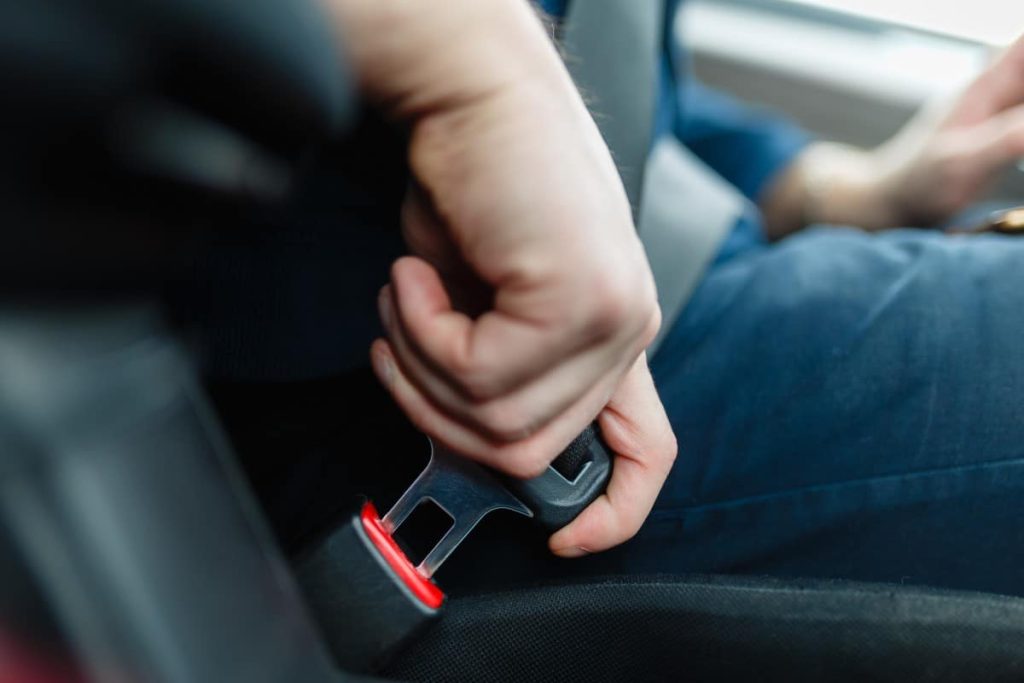
    Importance of Wearing a Seatbelt

    The Importance of Wearing Seatbelts in Summer

    In our next installment of our 100 Deadliest Days of Summer campaign, the personal injury attorneys at Koester Legal emphasizes the critical importance of wearing seatbelts, especially during the summer months. With increased travel and road activities, ensuring that you and your passengers are buckled up can be the difference between life and death in the event of an accident. This article discusses the importance of seatbelt use, supported by statistics and Georgia law.

    Why Seatbelt Use is Crucial

    Seatbelts are the most effective safety feature in vehicles, designed to protect occupants during a crash. They significantly reduce the risk of serious injury and death by preventing occupants from being ejected from the vehicle, distributing crash forces across the body, and reducing contact with the vehicle interior.

    Statistics:

    Increased Risks During Summer

    The summer months see a rise in road travel due to vacations, holidays, and outdoor activities. This increase in traffic correlates with a higher incidence of traffic accidents. According to the Insurance Institute for Highway Safety (IIHS), July and August are the deadliest months on the road.

    For more on the seasonal rise in traffic accidents, visit our article on Common Causes of Summer Traffic Accidents.

    Georgia Laws on Seatbelt Use

    Georgia law mandates the use of seatbelts for all occupants. Under Georgia Code (O.C.G.A. § 40-8-76.1), the following rules apply:

    • Front Seat Occupants: All front-seat passengers must wear seatbelts.
    • Rear Seat Occupants: Passengers under the age of 18 must wear seatbelts regardless of seating position.
    • Child Restraint Systems: Children under the age of 8 must be secured in an approved child restraint system appropriate for their height and weight.

    Penalties:

    • Failure to comply with seatbelt laws can result in fines and points on your driver’s license.
    • In the event of an accident, not wearing a seatbelt can be considered negligence, potentially affecting personal injury claims.

    Case Law Example

    In Jones v. State, 272 Ga. App. 353 (2005), the Georgia Court of Appeals highlighted the critical importance of seatbelt use. The court ruled that the failure to wear a seatbelt can be considered in determining the extent of injuries and damages in a car accident case.

    Benefits of Wearing Seatbelts

    1. Prevents Ejection

    Seatbelts prevent occupants from being ejected from the vehicle during a crash. Ejection often results in severe injuries or fatalities.

    1. Distributes Crash Forces

    Seatbelts distribute the forces of a crash across the stronger parts of the body, such as the chest, hips, and shoulders, reducing the risk of injury.

    1. Reduces Contact with Vehicle Interior

    By keeping occupants securely in their seats, seatbelts reduce the risk of contact with the vehicle’s interior, such as the steering wheel, dashboard, and windows.

    Promoting Seatbelt Use

    To encourage seatbelt use, consider the following measures:

    1. Lead by Example

    Always wear your seatbelt and ensure that all passengers do the same. Children and teenagers are more likely to wear seatbelts if they see adults doing so.

    1. Educate Young Drivers

    Teach young drivers about the importance of seatbelt use and the consequences of not wearing one. Enforce strict seatbelt rules for new drivers.

    1. Public Awareness Campaigns

    Support and participate in public awareness campaigns that promote seatbelt use, such as the NHTSA’s “Click It or Ticket” campaign.

    Legal Support for Accident Victims

    If you or a loved one has been injured in an accident where seatbelt use was a factor, it’s crucial to seek legal advice. At the Law Offices of Kyle E. Koester, LLC, we specialize in representing victims of car accidents, ensuring they receive the compensation they deserve. Our expertise in Georgia traffic laws and personal injury claims can help navigate the complexities of the legal system.

    For more information on legal recourse after an accident, refer to our detailed guide on Steps to Take After a Car Accident.

    Conclusion

    Wearing a seatbelt is a simple yet effective way to protect yourself and your passengers during a crash, especially during the busy summer months. By understanding the importance of seatbelt use and adhering to Georgia’s seatbelt laws, drivers can help ensure a safer driving experience for everyone. For legal assistance and more information on safe driving practices, contact the Law Offices of Kyle E. Koester, LLC.

    Sources:

    1. National Highway Traffic Safety Administration (NHTSA)
    2. Insurance Institute for Highway Safety (IIHS)
    3. Official Code of Georgia Annotated (O.C.G.A.)
    4. Georgia Court of Appeals Case: Jones v. State, 272 Ga. App. 353 (2005)

    Stay informed by exploring our 100 Deadliest Days of Summer campaign, and drive safely this summer!

    Schedule a Woodstock, GA Attorney Consultation

    If you or a loved one are suffering injuries caused by the negligence of another driver, contact the Law Offices of Kyle E. Koester, LLC. Our Woodstock attorneys specialize in personal injuries from car accidents, truck accidents, and traumatic brain injuries (TBI).

    Don’t wait until it is too late. Call us now at (770) 744-5250 to schedule a consultation.

  • How to Handle a Car Breakdown in Summer

    Summer Vehicle Breakdown

    How to Handle a Car Breakdown in Summer

    A car breakdown during the sweltering summer months can be a stressful and potentially dangerous situation. At the Law Offices of Kyle E. Koester, LLC, we understand the challenges of dealing with vehicle issues in extreme heat. This article provides a step-by-step guide on how to handle a car breakdown in the summer, supported by statistics and Georgia law.

    Immediate Steps to Take

    1. Safely Pull Over

    As soon as you notice a problem with your vehicle, safely pull over to the side of the road. Choose a flat, stable surface away from traffic to prevent further danger.

    Tips:

    • Use your hazard lights to signal to other drivers that you are experiencing a problem.
    • If possible, exit the highway or busy road and find a quieter area to stop.
    1. Stay Visible

    Ensuring that other drivers can see you is crucial for safety. Visibility helps prevent additional accidents and keeps you safe while waiting for assistance.

    Tips:

    • Turn on your hazard lights.
    • Use reflective triangles or flares if you have them, placing them a safe distance behind your vehicle to alert oncoming traffic.
    1. Stay Inside Your Vehicle

    In many cases, it’s safer to stay inside your vehicle, especially if you are on a busy road or highway. Exiting the vehicle can put you at risk of being hit by passing cars.

    Tips:

    • Keep your seatbelt on and remain inside the vehicle with the doors locked.
    • If you must exit the vehicle (e.g., due to smoke or fire), do so cautiously and stay well away from traffic.

    Handling the Heat

    1. Stay Hydrated

    Heat can quickly lead to dehydration, which can be dangerous if you are stranded for an extended period. Ensure you have water available in your vehicle.

    Tips:

    • Always carry a supply of bottled water in your car, especially during the summer.
    • Avoid consuming caffeine or alcohol, as these can contribute to dehydration.
    1. Keep Cool

    High temperatures can be hazardous, particularly if your car’s air conditioning is not working. Find ways to keep cool while waiting for help.

    Tips:

    • Use a sunshade or cover the windows with blankets to block out direct sunlight.
    • If you need to exit the vehicle, find a shaded area to sit and avoid prolonged exposure to the sun.

    For more on how heat affects vehicle performance, visit our article on The Effect of Heat on Vehicle Performance.

    Seeking Assistance

    1. Call for Help

    Once you are safe and have addressed immediate concerns, contact roadside assistance or emergency services. Provide clear information about your location and the nature of the breakdown.

    Tips:

    • Keep emergency contact numbers, including roadside assistance and local towing services, stored in your phone.
    • If you don’t have a mobile phone, look for roadside emergency call boxes.
    1. Notify Authorities

    If you are in a hazardous location or unable to move your vehicle out of traffic, notify local law enforcement. They can help manage the situation and ensure your safety.

    Georgia Law:

    • Under Georgia law (O.C.G.A. § 40-6-275), drivers are required to take reasonable steps to remove their vehicles from the roadway if possible after a breakdown or accident.

    Preparing for Future Breakdowns

    1. Regular Maintenance

    Preventive maintenance can significantly reduce the likelihood of a breakdown. Regularly check your vehicle’s essential systems, especially before long trips.

    Tips:

    • Regularly inspect and maintain your tires, battery, fluids, and brakes.
    • Schedule routine maintenance checks with a professional mechanic.

    For more on vehicle maintenance tips, read our article on How to Prepare Your Car for Summer Travel.

    1. Emergency Kit

    Having a well-stocked emergency kit in your car can make a significant difference in the event of a breakdown.

    Tips:

    • Include items such as water, non-perishable snacks, a first aid kit, flashlight, reflective triangles, and basic tools.
    • Ensure your kit is updated regularly and items are in good condition.

    Legal Support for Breakdown-Related Accidents

    If you or a loved one has been involved in an accident resulting from a vehicle breakdown, it’s crucial to seek legal advice. At the Law Offices of Kyle E. Koester, LLC, we specialize in representing victims of car accidents, ensuring they receive the compensation they deserve. Our expertise in Georgia traffic laws and personal injury claims can help navigate the complexities of the legal system.

    Conclusion

    Dealing with a car breakdown in the summer can be challenging, but by following these steps, you can ensure your safety and minimize the risks. For legal assistance and more information on safe driving practices, contact the Law Offices of Kyle E. Koester, LLC.

    Sources:

    1. National Highway Traffic Safety Administration (NHTSA)
    2. Official Code of Georgia Annotated (O.C.G.A.)

    Stay informed by exploring our 100 Deadliest Days of Summer campaign, and drive safely this summer!

    Schedule a Woodstock, GA Attorney Consultation

    If you or a loved one are suffering injuries caused by the negligence of another driver, contact the Law Offices of Kyle E. Koester, LLC. Our Woodstock car accident attorneys specialize in personal injuries from car accidents, truck accidents, and traumatic brain injuries (TBI).

    Don’t wait until it is too late. Call us now at (770) 744-5250 to schedule a consultation.

  • How to Avoid Aggressive Drivers in Summer

    Aggressive Drivers in Summer Traffic

    How to Avoid Aggressive Drivers in Summer

    As part of our “100 Deadliest Days of Summer” campaign, i the attorneys at Koester Legal are dedicated to helping drivers navigate the increased risks on the road during the summer months. One significant hazard is aggressive driving and road rage. Understanding how to avoid aggressive drivers can help ensure a safer driving experience. This article provides tips for dealing with road rage and aggressive drivers, supported by statistics and Georgia law.

    The Risks of Aggressive Driving

    Aggressive driving includes behaviors such as tailgating, excessive speeding, erratic lane changes, and hostile interactions with other drivers. The National Highway Traffic Safety Administration (NHTSA) identifies aggressive driving as a major factor in many traffic accidents.

    Statistics:

    • The NHTSA reports that aggressive driving behaviors contribute to a significant percentage of fatal crashes annually.
    • In Georgia, aggressive driving is a recognized issue, particularly during high-traffic periods like the summer months.

    Georgia Laws on Aggressive Driving

    Georgia law (O.C.G.A. § 40-6-397) defines aggressive driving as operating a vehicle with the intent to annoy, harass, molest, intimidate, injure, or obstruct another person. Violations can result in severe penalties, including fines, points on your driver’s license, and even imprisonment.

    Case Law Example:

    • In State v. Green, 289 Ga. 438 (2011), the Georgia Supreme Court upheld the conviction of a driver for aggressive driving, highlighting the state’s commitment to penalizing such dangerous behavior.

    Tips for Avoiding Aggressive Drivers

    1. Stay Calm and Avoid Escalation

    Encountering an aggressive driver can be stressful, but it’s important to remain calm and avoid escalating the situation. Reacting with hostility can worsen the situation and increase the risk of an accident.

    Tips:

    • Do not make eye contact with aggressive drivers.
    • Avoid making gestures or engaging in any form of confrontation.
    1. Maintain a Safe Distance

    If you encounter an aggressive driver, maintain a safe distance to avoid potential collisions. This includes not tailgating and allowing aggressive drivers to pass.

    Tips:

    • Slow down and let the aggressive driver go ahead.
    • Keep a significant distance between your vehicle and the aggressive driver.
    1. Use Defensive Driving Techniques

    Defensive driving involves being aware of your surroundings and anticipating potential hazards. This approach can help you respond appropriately to aggressive drivers.

    Tips:

    • Stay alert and be prepared for sudden movements by aggressive drivers.
    • Use your mirrors frequently to monitor traffic around you.
    1. Avoid the Fast Lane

    Aggressive drivers often use the fast lane to speed and weave through traffic. Staying in the right or middle lanes can reduce the likelihood of encountering such drivers.

    Tips:

    • Use the right lane for regular driving and reserve the left lane for passing.
    • Avoid lingering in the fast lane for extended periods.

    For more tips on safe driving, especially at night, visit our article on Understanding the Risks of Night Driving in Summer.

    1. Plan Your Route

    Planning your route in advance can help you avoid high-traffic areas and reduce the chances of encountering aggressive drivers. Consider using GPS and real-time traffic updates.

    Tips:

    • Check for road closures and construction zones before starting your trip.
    • Choose less congested routes when possible.
    1. Report Aggressive Drivers

    If you encounter a dangerously aggressive driver, it’s important to report them to the authorities. This can help prevent potential accidents and hold aggressive drivers accountable.

    Tips:

    • Note the vehicle’s make, model, color, and license plate number.
    • Call local law enforcement or 911 to report the aggressive driver.

    Legal Support for Accident Victims

    If you or a loved one has been involved in an accident caused by an aggressive driver, it’s crucial to seek legal advice. At the Law Offices of Kyle E. Koester, LLC, we specialize in representing victims of aggressive driving accidents, ensuring they receive the compensation they deserve. Our expertise in Georgia traffic laws and personal injury claims can help navigate the complexities of the legal system.

    For more information on what to do after an accident, refer to our detailed guide on What to Do After a Car Accident.

    Conclusion

    Dealing with aggressive drivers can be challenging, but by following these tips and staying informed about Georgia laws, you can help ensure a safer driving experience this summer. For legal assistance and more information on safe driving practices, contact the Law Offices of Kyle E. Koester, LLC.

    Sources:

    1. National Highway Traffic Safety Administration (NHTSA)
    2. Official Code of Georgia Annotated (O.C.G.A.)
    3. Georgia Supreme Court Case: State v. Green, 289 Ga. 438 (2011)

    Stay informed by exploring our 100 Deadliest Days of Summer campaign, and drive safely this summer!

    Schedule a Woodstock, GA Attorney Consultation

    If you or a loved one are suffering injuries caused by the negligence of another driver, contact the Law Offices of Kyle E. Koester, LLC. Our Woodstock attorneys specialize in personal injuries from car accidents, truck accidents, and traumatic brain injuries (TBI).

    Don’t wait until it is too late. Call us now at (770) 744-5250 to schedule a consultation.

  • Common Causes of Summer Traffic Accidents

    Causes of Accidents in the Summer New

    Common Causes of Summer Traffic Accidents

    The summer months bring beautiful weather and the opportunity for vacations and outdoor activities. However, they also come with increased traffic accidents. At the Law Offices of Kyle E. Koester, LLC, we aim to raise awareness about the most common causes of summer traffic accidents. Understanding these causes can help you stay safe on the road and avoid potential hazards.

    Increased Traffic Volume

    One of the primary reasons for the rise in traffic accidents during the summer is the increased number of vehicles on the road. Families are traveling for vacations, teenagers are out of school, and more people are taking day trips. This surge in traffic volume can lead to congestion and a higher likelihood of accidents.

    Statistics:

    • According to the National Highway Traffic Safety Administration (NHTSA), traffic fatalities tend to spike during the summer months, with July and August being particularly deadly.

    Distracted Driving

    Distracted driving is a significant cause of accidents year-round, but it becomes even more prevalent during the summer. Drivers may be more likely to use their phones for navigation, change music, or manage other in-car distractions while traveling.

    Georgia Law:

    • Georgia’s Hands-Free Law (O.C.G.A. § 40-6-241) prohibits the use of handheld devices while driving to reduce distracted driving accidents.

    For more details on the risks of distracted driving, read our article on The Dangers of Distracted Driving in Summer.

    Speeding

    With more open roads and a desire to reach destinations quickly, many drivers tend to speed during the summer. Speeding reduces reaction time and increases the severity of accidents.

    Statistics:

    • The NHTSA reports that speeding was a contributing factor in 26% of all traffic fatalities in 2019.

    Georgia Law:

    • Exceeding the speed limit in Georgia (O.C.G.A. § 40-6-181) can result in fines, license points, and increased risk of accidents.

    Driving Under the Influence

    Summer events and celebrations often involve alcohol consumption, leading to a rise in drunk driving incidents. Driving under the influence significantly impairs judgment and reaction times, making it one of the leading causes of fatal accidents.

    Statistics:

    • The NHTSA reports that nearly one-third of all traffic fatalities in the United States involve drunk drivers.
    • During the summer, DUI-related crashes tend to spike, especially around holidays like the Fourth of July and Labor Day.

    Georgia Law:

    • Georgia’s DUI law (O.C.G.A. § 40-6-391) imposes severe penalties on those caught driving under the influence, including fines, license suspension, and imprisonment.

    For more information on the impact of alcohol on summer driving, visit our article on How Alcohol Consumption Increases During Summer.

    Fatigue

    Long summer road trips can lead to driver fatigue, which impairs driving ability and increases the risk of accidents. Fatigued drivers may experience slower reaction times, impaired judgment, and even fall asleep at the wheel.

    Tips:

    • Plan for regular breaks during long trips to rest and refresh.
    • Share driving responsibilities if possible to avoid fatigue.

    Heat-Related Vehicle Failures

    High temperatures can take a toll on vehicles, leading to mechanical failures that can cause accidents. Common issues include tire blowouts, engine overheating, and brake failures.

    Statistics:

    • According to the NHTSA, tire-related crashes are a significant cause of accidents during the summer.

    Tips:

    Legal Support for Accident Victims

    If you or a loved one has been injured in a summer traffic accident, it is crucial to seek legal advice. At the Law Offices of Kyle E. Koester, LLC, we specialize in representing victims of car accidents, ensuring they receive the compensation they deserve. Our expertise in Georgia traffic laws and personal injury claims can help you navigate the complexities of the legal system.

    Conclusion

    Understanding the common causes of summer traffic accidents can help you take preventive measures and stay safe on the road. By being aware of increased traffic, avoiding distractions, adhering to speed limits, and maintaining your vehicle, you can reduce the risk of accidents. For legal assistance and more information on safe driving practices, contact the Law Offices of Kyle E. Koester, LLC.

    Sources:

    1. National Highway Traffic Safety Administration (NHTSA)
    2. Official Code of Georgia Annotated (O.C.G.A.)

    Stay informed by exploring our 100 Deadliest Days of Summer campaign, and drive safely this summer!

    Schedule a Woodstock, GA Attorney Consultation

    If you or a loved one are suffering injuries caused by the negligence of another driver, contact the Law Offices of Kyle E. Koester, LLC. Our Woodstock attorneys specialize in personal injuries from car accidents, truck accidents, and traumatic brain injuries (TBI).

    Don’t wait until it is too late. Call us now at (770) 744-5250 to schedule a consultation.

  • The Effect of Heat on Vehicle Performance

    Affect of Heat on a Cars Performance

    Affect of Heat on Your Vehicles Performance

    Our next installment in our 100 Deadliest Days of Summer campaign, the attorneys at Koester Legal, aims to highlight the various ways high temperatures can affect vehicle performance. Understanding these effects and following essential safety tips can help prevent accidents and ensure a safe driving experience during the summer months.

    How High Temperatures Affect Vehicle Performance

    1. Tire Pressure and Wear

    Heat causes the air inside your tires to expand, which can lead to over-inflation. Over-inflated tires have less traction and are more prone to blowouts, especially on hot pavement.

    Statistics:

    • According to the National Highway Traffic Safety Administration (NHTSA), tire-related issues contribute to approximately 11,000 crashes annually in the U.S.

    Tips:

    • Regularly check your tire pressure, including the spare, and ensure it is at the manufacturer’s recommended level.
    • Inspect tires for signs of wear and replace them if necessary.
    1. Battery Performance

    High temperatures can cause battery fluid to evaporate, leading to corrosion and reduced battery life. Heat can also increase the load on your battery, especially if you’re using air conditioning frequently.

    Tips:

    • Check your battery regularly for corrosion and ensure it is securely mounted.
    • Test the battery’s charge and replace it if it’s weak.
    1. Engine Overheating

    Engines are more likely to overheat in high temperatures, especially if the coolant levels are low or the cooling system is not functioning properly. Overheating can lead to engine damage and breakdowns.

    Tips:

    • Regularly check coolant levels and top off if necessary.
    • Ensure your radiator and cooling system are in good working order.
    1. Fluid Levels

    High temperatures can cause engine oil, transmission fluid, and other essential fluids to break down more quickly, reducing their effectiveness and potentially leading to mechanical failures.

    Tips:

    • Check all fluid levels regularly and change them as recommended by your vehicle manufacturer.
    • Use high-quality fluids that can withstand high temperatures.
    1. Brake Efficiency

    Heat can reduce the effectiveness of your brakes by causing brake fluid to boil and reducing the friction between brake pads and rotors.

    Tips:

    • Have your brakes inspected regularly, especially before long trips.
    • Replace brake pads and fluid as needed.

    For more tips on preparing your car for summer travel, read our article on How to Prepare Your Car for Summer Travel.

    Georgia Laws and Safety Regulations

    Georgia law (O.C.G.A. § 40-8-76.1) mandates regular vehicle maintenance to ensure safety on the road. Failing to maintain your vehicle can result in fines and penalties, and in the event of an accident, it can be used as evidence of negligence.

    Preventive Measures for Safe Summer Driving

    1. Plan Ahead

      • Check your vehicle’s maintenance schedule and address any issues before they become major problems.
      • Plan your route and check for any road closures or construction zones.
    2. Stay Hydrated

      • Keep yourself and your passengers hydrated to maintain alertness and prevent fatigue.
    3. Use Air Conditioning Wisely

      • While it’s important to stay cool, overuse of air conditioning can strain your engine and battery. Use it wisely and ensure your cooling system is functioning properly.
    4. Emergency Kit

      • Carry an emergency kit with essential items such as water, non-perishable snacks, a first aid kit, and tools in case of a breakdown.

    For more comprehensive advice on safe summer driving, visit our article on Top 10 Tips for Safe Summer Driving.

    Legal Support for Heat-Related Accidents

    If you or a loved one has been injured in an accident related to vehicle performance issues, it’s crucial to seek legal advice. At the Law Offices of Kyle E. Koester, LLC, we specialize in representing victims of car accidents, ensuring they receive the compensation they deserve. Our expertise in Georgia traffic laws and personal injury claims can help navigate the complexities of the legal system.

    Conclusion

    High temperatures can significantly impact vehicle performance, increasing the risk of accidents. By understanding these effects and following preventive measures, drivers can help ensure a safer driving experience during the summer months. For legal assistance and more information on safe driving practices, contact the Law Offices of Kyle E. Koester, LLC.

    Sources:

    1. National Highway Traffic Safety Administration (NHTSA)
    2. Official Code of Georgia Annotated (O.C.G.A.)

    Stay informed by exploring our 100 Deadliest Days of Summer campaign, and drive safely this summer!

    Schedule a Woodstock, GA Attorney Consultation

    If you or a loved one are suffering injuries caused by the negligence of another driver, contact the Law Offices of Kyle E. Koester, LLC. Our Woodstock attorneys specialize in personal injuries from car accidents, truck accidents, and traumatic brain injuries (TBI).

    Don’t wait until it is too late. Call us now at (770) 744-5250 to schedule a consultation.