Category: Personal Injury Lawyer

  • Is Lane Splitting Legal in Georgia?

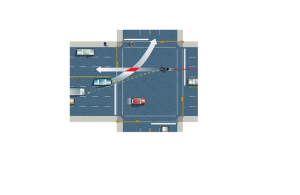
    No. Lane splitting is illegal in Georgia. State law prohibits motorcycle riders from operating between lanes of traffic or between rows of vehicles, and riders who lane split can be ticketed and may face reduced compensation if they are injured in a crash.

    What Is Lane Splitting?

    “Lane splitting” generally means a motorcycle riding:

    • Between two lanes of moving traffic

    • Between rows of stopped or slow‑moving vehicles (often at red lights or in traffic jams)

    • Along the lane divider line instead of within a single lane

    Riders sometimes also use the term lane filtering for moving forward between cars when traffic is stopped. Under Georgia law, both behaviors fall under the same prohibition: operating a motorcycle between lanes or lines of traffic, instead of within a single lane.

    Georgia treats motorcycles as full vehicles, not as bicycles or small objects that can “fit” between cars. That principle underlies the lane‑splitting ban.

    The Georgia Statute That Bans Lane Splitting

    Georgia’s motorcycle lane‑use rules are contained in O.C.G.A. § 40‑6‑312, titled “Operating motorcycle on roadway laned for traffic.”

    Key parts of this law include:

    • Motorcycles are entitled to the full use of a lane, and other vehicles may not be driven in a way that deprives them of that full use.

    • Motorcycles may not be operated between lanes of traffic or between adjacent lines or rows of vehicles.

    • Motorcycles may not be operated more than two abreast in a single lane.

    Put simply:

    • You must ride within a lane, not on the stripes.

    • You cannot ride between lanes to get ahead of traffic.

    • You may ride two‑abreast with another motorcycle in the same lane, but not three or more, and not between cars.

    These rules make Georgia very different from California (where lane splitting is allowed under certain conditions) and more consistent with states that completely ban the practice.

    Lane Splitting vs. Lane Sharing (Two‑Abreast Riding)

    It’s important to separate two different concepts:

    Lane Splitting (Illegal in Georgia)

    • Riding between lanes of traffic

    • Riding between two rows of stopped vehicles

    • Traveling along the dashed line to pass vehicles within the same direction of travel

    This is not allowed under Georgia law and can result in a citation and potential fault arguments in a crash.

    • Two motorcycles riding side‑by‑side in the same lane

    • Each motorcycle occupies one half of the lane

    • No more than two motorcycles may ride abreast in a single lane

    Georgia law expressly permits two motorcycles to share one lane side‑by‑side, while still giving motorcycles the full right to occupy a lane and not be crowded by cars.

    So:

    • Legal: Two motorcycles riding next to each other (two‑abreast) within a single lane.

    • Illegal: Any motorcycle riding between lanes or squeezing between rows of cars.

    Why Georgia Bans Lane Splitting

    Georgia’s ban on lane splitting is rooted in safety and predictability:

    • Driver expectation: Most Georgia drivers don’t expect a motorcycle to appear between lanes or beside them in slow traffic. Sudden appearances can lead to sideswipes or door incidents.

    • Limited escape routes: When a motorcycle rides between vehicles, there is very little room to maneuver if a car changes lanes, opens a door, or drifts.

    • Difficulty assigning fault: Lane‑splitting crashes often involve complicated questions of visibility and reaction time. The law makes it simpler by declaring the maneuver unlawful to begin with.

    Georgia legislators and courts have generally preferred a bright‑line rule: stay in your lane, and don’t try to pass between cars.

    What Happens If You Lane Split in Georgia?

    Even if lane splitting seems tempting in gridlock, there are real consequences:

    Traffic Citations

    If an officer observes you:

    • Riding along the lane divider

    • Passing between two vehicles in the same direction within a lane

    • Filtering to the front at a red light between rows of cars

    you may be cited for violating Georgia’s motorcycle lane‑use law. Depending on circumstances, additional citations (improper passing, reckless driving) can also be added.

    Impact on Insurance

    A lane‑splitting citation:

    • Can raise your insurance premiums

    • Can be used by your own insurer to argue partial fault if you later file a claim

    • May be referenced in future underwriting decisions

    Insurance companies are always looking for evidence of “risky behavior,” and lane splitting fits their model of elevated risk.

    Lane Splitting and Fault in Motorcycle Accident Cases

    Lane splitting becomes especially important in injury and wrongful death cases.

    Georgia’s Comparative Negligence Rule

    Georgia uses a modified comparative negligence system. In plain terms:

    • You can only recover compensation if you are less than 50% at fault for the crash.

    • If you are under 50% at fault, your damages are reduced by your percentage of fault.

    • If you are 50% or more at fault, you recover nothing.

    If a crash occurs while you were lane splitting—even if the other driver did something wrong—defense lawyers will almost always argue that:

    • You were violating the motorcycle lane‑use statute.

    • Your unlawful lane position contributed to the collision.

    • You should be assigned a high percentage of fault, possibly at or above 50%.

    That doesn’t mean you automatically lose your case, but it does mean you are starting from a disadvantage that your lawyer will have to work hard to overcome.

    Example Scenarios

    1. Lane Splitting and a Sudden Lane Change

    A rider is splitting between two lanes of slow traffic when a car suddenly changes lanes without signaling and sideswipes the bike.

    • The driver clearly failed to check mirrors and signal.

    • But the rider was also doing something illegal: riding between lanes.

    • A jury might split fault—for example, 60% on the driver, 40% on the rider—or more heavily against the motorcyclist, depending on the evidence.

    1. Lane Splitting at a Red Light

    A rider filters between stopped cars to the front of the line at a red light. The light turns green; a car moves slightly toward center line, contacting the motorcycle.

    • The rider’s lane position violates the statute.

    • The car may also have drifted without adequate lookout.

    • Comparative negligence analysis will determine how much fault is assigned to each.

    In these situations, a rider who was not lane splitting would often have a much stronger liability position.

    How Lane Splitting Evidence Is Used in Litigation

    When a motorcycle injury claim involves lane splitting, lawyers and insurers will focus on:

    • Police reports and citations: If the officer noted lane splitting or cited the rider under the lane‑use statute, that will be a major factor.

    • Crash scene photos and videos: Dashcams, traffic cameras, and witness videos can show exactly where the motorcycle was relative to lane lines and vehicles.

    • Witness statements: Observers often remember whether the motorcycle was between cars or within a single lane.

    • Expert reconstruction: In serious or fatal cases, accident reconstruction experts may be hired to map out the collision dynamics and explain how lane position contributed to the outcome.

    From a plaintiff’s perspective, the goal is to:

    • Show that the other driver’s negligence was the primary cause of the crash, and

    • Limit any assignment of comparative fault based on lane position.

    From a defense perspective, lane splitting is often used as a central theme: “The rider was where no one expected a vehicle to be.”

    Is There Any Movement to Legalize Lane Splitting in Georgia?

    From time to time, riders’ groups and safety advocates discuss lane splitting as a potential safety measure, pointing to studies in states like California suggesting that controlled lane splitting at low speeds can reduce rear‑end collisions and sometimes allows riders to escape congestion more safely.

    However:

    • Georgia has not adopted such a policy.

    • The current statute clearly bans operating “between lanes of traffic or between adjacent lines or rows of vehicles.”

    • Any change would require legislative action, not just a shift in enforcement practice.

    Until the law is amended, riders should assume that all lane splitting and filtering is unlawful in Georgia.

    Even when traffic is heavy, riders still have safe, legal options:

    • Maintain your lane position: Use the left or right third of the lane to maximize your visibility and escape routes.

    • Increase following distance: Give yourself extra room to brake and maneuver if the vehicle in front stops suddenly.

    • Use bright gear and always‑on headlight: Georgia requires motorcycles to ride with lights on; bright clothing and reflective gear add to your conspicuity.

    • Plan routes to avoid chronically congested roads when possible: Surface streets with fewer lanes and lower speeds may be safer than multi‑lane highways at rush hour.

    Staying within the law not only reduces your crash risk; it also protects your legal rights if someone else’s negligence causes a collision.

    Frequently Asked Questions

    No. Lane splitting is illegal in Georgia. Motorcyclists are not allowed to ride between lanes of traffic or between rows of vehicles. Riders must stay within a single lane and cannot use the dashed line or the space between cars as a travel lane.

    Is lane filtering (moving between cars at a red light) legal?

    No. Lane filtering—moving between stopped vehicles to the front of the line—is treated as a form of lane splitting and is not permitted under Georgia’s motorcycle lane‑use laws.

    Can I ride on the lane divider line to pass traffic?

    No. Riding on or straddling the lane divider line to pass vehicles is considered operating between lanes and violates Georgia’s lane‑use statute for motorcycles.

    Can two motorcycles ride side‑by‑side in Georgia?

    Yes. Georgia allows two motorcycles to ride side‑by‑side in a single lane. However, more than two abreast in the same lane is not allowed, and motorcycles should not share a lane side‑by‑side with cars.

    If I was lane splitting and got hit, do I automatically lose my case?

    Not automatically, but lane splitting will likely be used against you. It can lead to a traffic citation and may cause a court or jury to assign you a significant portion of fault under Georgia’s comparative negligence rules, which can reduce or bar your recovery.

    Will my insurance cover me if I crash while lane splitting?

    Coverage depends on your policy, but your insurer may still adjust or deny certain portions of a claim if you were engaging in illegal behavior at the time of the crash, and you may face higher premiums afterward. It can also complicate claims against at‑fault drivers.

    What should I do if I was injured while lane splitting in Georgia?

    You should still seek legal advice. Even if you were lane splitting, the other driver may bear substantial responsibility—for example, if they changed lanes without signaling, were distracted, or committed another clear violation. A motorcycle‑savvy injury attorney can analyze how much comparative fault might be assigned and whether a claim is still viable.

  • Can Two Motorcycles Share the Same Lane in Georgia?

    Yes. Georgia law allows up to two motorcycles to ride side‑by‑side in a single lane, but it prohibits more than two abreast and does not allow motorcycles to share a lane with cars or ride between lanes of traffic. This rule comes from O.C.G.A. § 40‑6‑312, which governs how motorcycles can be operated on roadways laned for traffic.

    Can Two Motorcycles Share the Same Lane in Georgia?

    Yes. Georgia law allows up to two motorcycles to ride side‑by‑side in a single lane, but it prohibits more than two abreast and does not allow motorcycles to share a lane with cars or ride between lanes of traffic. This rule comes from O.C.G.A. § 40‑6‑312, which governs how motorcycles can be operated on roadways laned for traffic.

    The Statute: O.C.G.A. § 40‑6‑312 Explained

    Georgia’s primary lane‑use law for motorcycles is O.C.G.A. § 40‑6‑312, titled “Operating motorcycle on roadway laned for traffic.”

    Key subsections relevant to lane sharing and lane splitting are:

    • Subsection (a): Full use of a lane
      “All motorcycles are entitled to full use of a lane, and no motor vehicle shall be driven in such a manner as to deprive any motorcycle of the full use of a lane. This subsection shall not apply to motorcycles operated two abreast in a single lane.”
      This gives motorcycles the same lane rights as cars, but explicitly allows two motorcycles to operate side‑by‑side (two abreast).

    • Subsection (c): Lane splitting banned
      “No person shall operate a motorcycle between lanes of traffic or between adjacent lines or rows of vehicles.”
      This is Georgia’s clear ban on lane splitting and lane filtering.

    • Subsection (d): Limit of two abreast
      “Motorcycles shall not be operated more than two abreast in a single lane.”
      This is the specific rule that caps side‑by‑side lane sharing at two motorcycles.

    • Subsection (e): Lighting requirement
      A rider must keep headlights and taillights illuminated at all times, which often becomes relevant in visibility disputes.

    Together, these provisions create a simple framework: full lane rights, two‑abreast lane sharing allowed, no more than two, and no operating between lanes.

    Lane Sharing vs. Lane Splitting in Georgia

    Lane Sharing (Two‑Abreast Riding)

    Lane sharing means two motorcycles riding next to each other within the same lane, occupying roughly the left and right halves of that lane.

    Georgia law:

    • Explicitly allows this by carving out an exception for “motorcycles operated two abreast in a single lane.”

    • Forbids more than two abreast in a single lane.

    Many Georgia motorcycle‑focused firms and resources explain it this way: two motorcycles may legally ride side‑by‑side in one lane, but three‑wide or more is not permitted.

    Lane Splitting and Lane Filtering

    Lane splitting (or filtering) means riding between lanes of traffic or between rows of cars, often to move through congestion.

    Georgia law:

    • Makes lane splitting illegal under § 40‑6‑312(c): you may not “operate a motorcycle between lanes of traffic or between adjacent lines or rows of vehicles.”

    • This has been repeatedly confirmed by Georgia injury firms and legal commentators.

    So:

    • Legal: Two motorcycles side‑by‑side in one lane (two‑abreast).

    • Illegal: Any motorcycle riding between lanes or rows of cars (lane splitting/filtering).

    Can a Motorcycle Share a Lane with a Car?

    No. While § 40‑6‑312 expressly allows motorcycles to share a lane with one other motorcycle, Georgia law and safety commentary are clear that a motorcycle should not share a lane side‑by‑side with a passenger vehicle.

    • A motorcycle is “entitled to full use of a lane.”

    • Other vehicles may not be driven in a way that deprives the motorcycle of that full use.

    • Multiple legal analyses note that this means a car should not run directly beside a motorcycle in the same lane, because that crowds the motorcycle’s space and reduces its ability to maneuver.

    If a crash occurs while a car is improperly sharing a lane side‑by‑side with a motorcycle, that lane‑use violation can be powerful evidence of negligence.

    Safety and Best Practices for Two‑Abreast Riding

    Even though two‑abreast riding is legal, it’s not always the safest choice in every situation.

    When Two‑Abreast Riding Is Common

    Riders often choose two‑abreast when:

    • Traveling at low speeds (e.g., in town, in parades, or shortly before stopping)

    • Riding in straight, predictable road segments with good visibility

    • Group rides where two‑abreast is used briefly for signaling, lane changes, or intersections

    Safety resources and experienced rider‑lawyers often recommend that most group riding be done in a staggered formation, with two‑abreast used selectively.

    When a Staggered Formation Is Safer

    A staggered formation places:

    • One motorcycle in the left portion of the lane

    • The next motorcycle in the right portion of the lane, but a short distance behind

    This allows:

    • Better following distance between motorcycles

    • More room for braking and swerving

    • Improved visibility for both riders and surrounding drivers

    While the law allows two‑abreast, nothing in Georgia law requires riders to use that formation. Riders are still subject to general duties of reasonable care and safe operation.

    How Sharing a Lane Can Affect Fault in a Crash

    Georgia’s Comparative Negligence Rule

    Georgia uses modified comparative negligence under O.C.G.A. § 51‑12‑33: a rider can recover damages only if they are less than 50% at fault; damages are reduced by their percentage of fault if under that threshold.

    In a crash involving two‑abreast riding, key questions will include:

    • Were the riders within their legal rights under § 40‑6‑312 (no more than two abreast)?

    • Did side‑by‑side riding contribute to loss of control, limited escape routes, or poor reaction time?

    • Did another vehicle improperly crowd the lane, violate right‑of‑way, or change lanes unsafely?

    Examples of How Lane Sharing May Come Up

    1. Two Motorcycles, One Driver Cuts In

    • Two motorcycles are riding side‑by‑side in their lane when a car merges into them without signaling.

    • The car’s driver likely violated lane‑change or lookout duties and could be primarily at fault.

    • The fact that two‑abreast riding is explicitly permitted under § 40‑6‑312(d) supports the riders’ argument that they were acting lawfully.

    1. Emergency Braking and Rear‑End Between Riders

    • Two‑abreast in heavy traffic, the lead riders must brake suddenly.

    • If one rider drifts or loses control because of limited maneuvering room, an insurer may argue that choosing to ride side‑by‑side in that environment contributed to the crash.

    In either scenario, a court or jury will use the comparative negligence framework to assign percentages of fault, considering both statutory compliance and overall reasonableness.

    Law Enforcement and Lane‑Use Enforcement

    Police agencies and safety campaigns in Georgia often reference § 40‑6‑312 when educating riders and drivers:

    • The Cobb County Police Department, for example, has highlighted that motorcyclists may not overtake and pass in the same lane and that lane splitting is prohibited, while noting full lane use rights.

    • Several firms and public‑facing resources emphasize that lane splitting can lead to citations and will likely be used against a rider in both criminal and civil contexts.

    For two‑abreast riding specifically, citations tend to arise only when:

    • More than two motorcycles attempt to ride side‑by‑side, violating § 40‑6‑312(d), or

    • The manner of two‑abreast riding becomes reckless (weaving, speeding, or failing to maintain control), potentially implicating Georgia’s reckless driving statute.

    Practical Tips for Georgia Riders Considering Lane Sharing

    From both a safety and legal standpoint, Georgia riders should keep in mind:

    • Two‑abreast is legal but optional. You can always choose a staggered formation instead.

    • Never ride three‑wide in a single lane; this clearly violates § 40‑6‑312(d).

    • Never ride beside a car in the same lane. It may not be explicitly spelled out for cars the way it is for motorcycles, but crowding a lane can be treated as negligent lane use.

    • Avoid two‑abreast in high‑risk conditions such as sharp curves, low visibility, or heavy stop‑and‑go traffic.

    • Document your riding habits—especially in group rides—if there’s ever a crash. Witness statements and formation details can matter in fault analysis.

    For injury cases, lawyers often work with accident reconstruction experts who analyze lane position, braking room, and traffic patterns to show that the rider’s lane use was safe and lawful.

    Frequently Asked Questions

    Yes. Under O.C.G.A. § 40‑6‑312(d), motorcycles may be operated two abreast in a single lane. The same statute explicitly states they may not be operated more than two abreast.

    Can three motorcycles share the same lane side‑by‑side?

    No. Georgia law caps it at two motorcycles abreast in a single lane. More than two side‑by‑side violates § 40‑6‑312(d) and can result in a traffic citation and potential fault arguments if an accident occurs.

    Can a motorcycle and a car share the same lane?

    No. A motorcycle is “entitled to full use of a lane,” and other motor vehicles may not be driven in a manner that deprives the motorcycle of that full use. Sharing side‑by‑side with a car in the same lane is unsafe and inconsistent with § 40‑6‑312(a).

    No. O.C.G.A. § 40‑6‑312(c) expressly prohibits operating a motorcycle between lanes of traffic or between lines or rows of vehicles, making lane splitting and lane filtering illegal in Georgia.

    Can riding two‑abreast hurt my accident case?

    Not by itself. Riding two‑abreast is legal in Georgia. However, if the specific way you were sharing the lane limited your ability to brake or avoid a hazard, an insurer may argue that it contributed to the crash under Georgia’s comparative negligence rules.

    Is staggered formation safer than two‑abreast?

    In many situations, yes. A staggered formation gives each rider more following distance and maneuvering room while still allowing group cohesion. Safety organizations and rider‑focused law firms often recommend staggered riding as the default, using two‑abreast sparingly.

    What should I do if a car crowds my lane while I’m riding in Georgia?

    If a car encroaches on your lane space, it may be violating your right to full lane use under § 40‑6‑312(a). After any resulting crash, it is important to document the behavior, call law enforcement, seek medical care, and consult a motorcycle‑savvy injury attorney to protect your rights.

  • What Is Georgia’s Comparative Fault Rule in Motorcycle Accidents?

    When a motorcycle crash happens, figuring out who is at fault can determine everything—from insurance payouts to jury verdicts. But in Georgia, fault isn’t always all‑or‑nothing. Under Georgia law, liability can be shared between multiple parties through what’s called the comparative fault rule.

    In this plain‑English legal guide, attorney Kyle E. Koester of The Law Offices of Kyle E. Koester, LLC explains how comparative fault works, how it applies in motorcycle cases, and what every rider should know if someone tries to blame them after a wreck.

    Understanding Comparative Fault in Georgia

    Statute: O.C.G.A. § 51‑12‑33

    Georgia uses a system known as modified comparative negligence. It means that:

    1. Each party involved in a crash is assigned a percentage of fault.

    2. You can still recover damages if you are less than 50% responsible for the accident.

    3. Your compensation is reduced in proportion to your percentage of fault.

    4. If you are 50% or more at fault, you are barred from recovering any damages.

    This system ensures that liability is distributed fairly when more than one person contributes to a collision. It’s different from states that use “pure comparative negligence,” where a party can recover even if they’re 90% at fault.

    Why Comparative Fault Matters in Motorcycle Accidents

    Motorcycle cases often involve conflicting accounts of how the crash occurred. Drivers frequently claim they “didn’t see the rider,” while insurance adjusters may exaggerate minor infractions to shift blame. Because riders are highly exposed and often face bias, understanding comparative fault is crucial for protecting your rights.

    Example:
    A driver turns left across a motorcyclist’s path at an intersection, but the rider was traveling slightly above the speed limit. The car driver may be 80% responsible, but the motorcyclist could be assigned 20% fault for speeding. If the rider’s injuries are valued at $100,000, they would receive $80,000 after the 20% reduction.

    How Fault Is Determined in Georgia Motorcycle Crashes

    Police officers, insurance adjusters, and ultimately juries analyze fault by reviewing evidence such as:

    • Crash scene reports and diagrams

    • Traffic citations issued under the O.C.G.A.

    • Witness statements and dashcam footage

    • Vehicle damage analysis and skid‑mark measurement

    • Expert accident reconstruction testimony

    • Helmet, lighting, or equipment compliance

    Each fact is used to assign a percentage of fault. Attorneys may bring in experts to testify about visibility, reaction time, and road conditions to show that a motorcyclist acted reasonably.

    Common Scenarios Where Comparative Fault Arises

    Comparative negligence is often disputed in situations like:

    1. Left‑Turn Collisions at Intersections

    One of the most frequent motorcycle crashes involves a car turning left in front of a rider. Even if the driver failed to yield, insurers may argue the rider was speeding or following too closely.

    2. Lane‑Change or Sideswipe Accidents

    If a rider was traveling near the lane divider or in a driver’s blind spot, the other driver might argue shared responsibility. Georgia law (O.C.G.A. § 40‑6‑312) protects a motorcycle’s right to full lane use, which can counter this excuse.

    3. Rear‑End Collisions

    When a vehicle rear‑ends a stopped motorcycle, the driver is usually at fault. But if the motorcycle’s brake light was defective, comparative fault arguments may surface under Georgia’s equipment laws.

    4. Helmet and Safety Equipment Nonuse

    Failure to wear a helmet (O.C.G.A. § 40‑6‑315) cannot be blamed for causing the crash, but defense counsel may argue that injuries were more severe because of the violation—potentially reducing damages.

    5. Alcohol or Fatigue

    Riding impaired (O.C.G.A. § 40‑6‑391) or while exhausted can dramatically shift fault percentages. Even minor impairment evidence may cut recovery in half.

    The 50‑Percent Bar Rule

    The critical threshold in Georgia’s system is 50%.

    • 49% or less at fault: You can still recover reduced damages.

    • 50% or more at fault: You receive nothing.

    This makes accurate legal analysis essential. A single fact—like lane position or tire skid measurement—can move a case from a complete loss to a meaningful recovery.

    How Juries Apply Comparative Fault

    When a motorcycle injury case goes to trial, jurors typically receive a written instruction modeled after Georgia Pattern Jury Instruction 1.37.10. It directs them to:

    • Decide whether each party was negligent,

    • Assign percentage responsibility to each, and

    • Calculate total damages before applying reduction by fault.

    Example Jury Calculation:

    PartyFault %Total DamagesNet Award
    Motorcyclist25%$100,000$75,000
    Driver75%

    This simple math hides complex emotional dynamics—jurors often carry subconscious biases against motorcyclists. That’s where experienced trial representation matters.

    Comparative Fault in Settlement Negotiations

    Most motorcycle claims settle before trial. Insurance carriers use comparative fault as leverage to lower settlements. Adjusters might claim “shared responsibility” even when the other driver’s conduct was obviously reckless.

    Having a seasoned motorcycle accident lawyer counters this tactic. With proper evidence—skid‑mark analysis, expert testimony, helmet compliance records, and witness statements—your attorney can push back and demand a fair percentage distribution that maximizes payout.

    Strategies to Reduce or Eliminate Assigned Fault

    Attorney Kyle Koester uses several evidence‑based strategies when defending clients against comparative negligence claims:

    1. Crash Reconstruction Experts – Demonstrating that the rider’s speed and actions were reasonable.

    2. Visibility Proofs – Showing adequate lighting, bright gear, and lawful lane position.

    3. Witness Interviews – Documenting third‑party accounts to challenge “didn’t see them” excuses.

    4. Helmet Compliance Records – Verifying state‑approved headgear use to limit damages reduction.

    5. Early Scene Investigation – Preserving physical evidence before it’s lost or altered.

    These proactive steps can significantly alter the liability split, increasing recoverable damages.

    How Comparative Fault Interacts with Georgia Insurance Law

    Under Georgia’s at‑fault insurance system, the driver who caused the crash (and their insurer) is responsible for paying damages. However:

    • When both parties share fault, each insurer pays according to the percentage of liability.

    • Motorcycle riders can file claims for bodily injury, property damage, and uninsured motorist coverage.

    • Your UM/UIM coverage (Uninsured/Underinsured Motorist) can still apply if the at‑fault driver lacks sufficient insurance—regardless of partial fault percentages, so long as you’re under 50%.

    Properly calculating liability percentages is critical to receiving all benefits owed.

    Comparative Fault and Punitive Damages

    If the at‑fault driver’s conduct was grossly negligent—for example, drunk or texting while driving—a rider may also pursue punitive damages under O.C.G.A. § 51‑12‑5.1.
    Comparative negligence still applies to compensatory damages, but punitive awards can punish the reckless driver apart from fault allocation.

    Example Case Outcome

    Case Overview:
    A Cherokee County rider suffered multiple fractures when struck by a pickup truck changing lanes without signaling.

    • The defense claimed the rider was 10 mph over the speed limit.

    • Accident reconstruction showed the bike was visible for 4 seconds prior.

    • Jury found the driver 80% at fault and the rider 20% at fault.

    Result: Damages reduced accordingly—$250,000 award became $200,000 net recovery.

    This demonstrates how careful evidence presentation can protect substantial compensation—even with shared fault.

    Why Representation Matters

    Comparative fault cases are complex because insurers thrive on ambiguity. Without experienced counsel, riders may unknowingly accept unfair settlements based on inflated fault percentages.

    Kyle Koester brings both trial experience and firsthand motorcycle knowledge to the table. He understands how physics, perception, and road design affect these claims—and how to communicate that to judges and juries.

    Key Takeaways

    • Georgia follows modified comparative fault—recover compensation only if you’re under 50% at fault.

    • Your recovery is reduced by your percentage of fault.

    • Fault is based on evidence like police reports, witness testimony, and equipment compliance.

    • Helmet use, speed, and visibility often determine liability split.

    • Legal representation early in the process protects your right to a fair percentage assignment.

    Frequently Asked Questions

    1. If the other driver was mostly at fault but says I was speeding, can I still recover?
    Yes. As long as your share of fault is under 50%, you can still recover compensation. Your award would just be reduced by that percentage.

    2. Will not wearing a helmet affect my case?
    It can. While it doesn’t cause the crash, the defense may argue that nonuse increased injury severity, which could reduce damages under comparative negligence.

    3. Who decides the percentages of fault?
    Initially, insurance adjusters make their own estimates. If the case goes to trial, the jury decides the final allocation based on evidence and legal instructions.

    4. Can passengers be found comparatively negligent?
    In rare cases, yes—such as knowingly riding with an impaired driver or ignoring visible safety risks.

    5. How does comparative fault affect uninsured motorist claims?
    Your UM coverage pays based on your percentage of fault. If you are less than 50% responsible, you can still make a UM claim even if the other driver was uninsured.

    6. How can a lawyer help lower my assigned fault?
    An attorney gathers persuasive evidence, consults experts, challenges inaccurate police findings, and negotiates aggressively to reduce your assessed fault—directly increasing your net recovery.

    Contact a Woodstock Motorcycle Accident Lawyer

    If a Georgia motorcycle crash left you injured and someone is blaming you for part of it, get help fast. Comparative fault doesn’t have to stop you from recovering compensation.

    The Law Offices of Kyle E. Koester, LLC specializes in motorcycle injury litigation across Woodstock, Cherokee County, and Metro Atlanta. Kyle Koester has helped riders and passengers recover fair settlements under Georgia’s complex comparative negligence laws.

    📍 Location: Woodstock, GA
    📞 Phone: (770) 744‑5250
    🌐 Website:koesterlegal.com
    💬 Free Consultation: Schedule online or call today to discuss fault, damages, and your recovery options.

  • Do Motorcycle Passengers Have to Wear Helmets in Georgia?

    Motorcycle safety laws in Georgia don’t just apply to riders—they apply to passengers too. Whether you ride behind a friend through the North Georgia mountains or commute daily on a sport bike in Atlanta traffic, Georgia’s motorcycle helmet law is mandatory for everyone on the bike.

    In this in‑depth guide, Woodstock motorcycle accident lawyer Kyle E. Koester explains what Georgia law requires, where those rules come from in the Official Code of Georgia Annotated (O.C.G.A.), and how helmet use (or nonuse) can influence accident claims and injury compensation.


    Overview: Georgia’s Universal Helmet Law

    Statute: O.C.G.A. § 40‑6‑315

    Georgia is a universal helmet state. That means every motorcycle operator and passenger must wear protective headgear that complies with standards set by the Georgia Department of Public Safety (DPS).

    Unlike some states that only require helmets for minors, Georgia’s rule applies to all ages, all riders, and all passengers—no exceptions based on age or experience.

    The law also ties into Georgia’s larger traffic safety framework, making helmeted riding part of a rider’s legal duty of care. In short:

    If you’re on a motorcycle in Georgia—driver or passenger—you must wear an approved helmet.


    What the Law Says

    O.C.G.A. § 40‑6‑315 states that:

    • No person shall operate or ride upon a motorcycle unless wearing protective headgear.

    • The required headgear must meet safety specifications approved by the Board of Public Safety.

    • Helmets sold as “DOT‑approved” generally satisfy this requirement.

    If the motorcycle does not have a windshield, the operator must also wear eye‑protective devices (such as shatterproof goggles or a face shield). Passengers are strongly encouraged, and sometimes required by insurance policy terms, to do the same.

    In legal terms: helmet use is both a traffic law and a safety standard. Violating it can lead to citations, fines, and potentially reduced compensation in an injury lawsuit.


    The Helmet Rule for Passengers

    Yes, passengers must wear DOT‑compliant helmets in Georgia.

    Even if the operator is following all other laws, carrying a passenger without a proper helmet violates state law and can expose both parties to legal consequences.

    The same protections that exist for the rider—reduced risk of head trauma, better visibility, and compliance with DPS regulations—apply equally to the passenger.

    In two‑up riding (where a passenger rides behind the driver), Georgia law also requires:

    • dedicated passenger seat securely affixed to the motorcycle.

    • Passenger footrests to ensure safe operation (O.C.G.A. § 40‑6‑311).
      Carrying a person without these safety components, even with a helmet, can create liability issues if an accident happens.


    Helmet Standards in Georgia

    To be legal under O.C.G.A. § 40‑6‑315, helmets must:

    • Be labeled “DOT FMVSS No. 218 Certified.”

    • Include permanent manufacturer labeling inside the helmet shell.

    • Feature sturdy chin straps and adequate coverage.

    • Not be “novelty” or “half” helmets lacking proper safety approval.

    Eye‑protection standards:
    If a bike lacks a windshield, both operator and passenger should use DPS‑approved goggles, glasses, or visors. Ordinary sunglasses often do not meet the standard because they don’t resist shattering on impact.

    Why full‑compliance matters:

    In motorcycle injury cases, insurance investigators or defense counsel often review accident photos and helmet labels to verify compliance. A rider or passenger wearing an improper or non‑certified helmet can be cited for violation and may face questions about safety negligence.


    Penalties for Not Wearing a Helmet

    Failing to comply with Georgia’s helmet law is treated as a misdemeanor traffic offense. Sanctions may include:

    • A fine (typically around $50 – $100)

    • Possible court costs and points on your record

    • Denial of certain insurance coverage if your policy includes helmet‑compliance clauses

    But the real cost is medical. According to the Georgia Governor’s Office of Highway Safety, motorcyclists without helmets are several times more likely to suffer fatal or traumatic brain injuries in crashes.


    How Helmet Use Affects Injury Claims

    1. Comparative Negligence and Damages

    Georgia follows a modified comparative negligence rule (O.C.G.A. § 51‑12‑33). If a motorcycle passenger or rider is found less than 50% at fault for an accident, they can still recover damages—but the award is reduced by their percentage of fault.

    Although not wearing a helmet doesn’t cause a crash, defense attorneys may argue that life‑threatening injuries could have been minimized by helmet use. This argument can lead a jury to assign a small percentage of negligence to the unhelmeted party, reducing damages.

    2. Liability Evidence

    If a motorcycle accident lawsuit goes to trial, evidence of helmet compliance—or non‑compliance—can influence credibility and sympathy with jurors. Georgia courts often allow such evidence when determining the extent of damages.

    3. Insurance Negotiations

    Insurance adjusters frequently reference helmet use when assessing claim value. Demonstrating that you and your passenger followed all safety laws (including helmet use) strengthens your position in settlement discussions.


    Real‑World Example

    Imagine two identical crashes in Cherokee County:

    • Crash A: Both rider and passenger wear DOT‑approved helmets. Each suffers moderate injuries and files a claim.

    • Crash B: The passenger doesn’t wear a helmet and sustains a severe head injury.

    Even if the other driver caused both accidents, the unhelmeted passenger’s recovery in Crash B could be reduced because the defense may successfully argue that nonuse worsened the injuries.


    How Georgia’s Helmet Requirement Compares to Other States

    CategoryGeorgiaFloridaCalifornia
    Helmet Law TypeUniversalPartial (over 21 may opt out with $10K medical insurance)Universal
    Eye Protection LawRequired if no windshieldRequired for all ridersRequired if no windshield
    Lane SplittingIllegalIllegalLegal (with limits)
    Passenger Equipment RequirementSeat + FootrestsSeat + FootrestsSeat + Footrests

    This comparison shows that Georgia’s helmet regulations are among the strictest nationwide—similar to California and New York—but more protective than many Southeastern states.


    “Does a Passenger Helmet Really Make a Difference?”

    Absolutely. Research from the Centers for Disease Control and Prevention (CDC) shows that helmets reduce the risk of head injury by nearly 70% and death by over 40%.

    For passengers—who may have less control or situational awareness—those odds matter even more. A helmet can mean the difference between minor concussion and fatal trauma.


    Helmet Law and Police Enforcement

    Enforcement typically occurs after:

    • Routine traffic stops or hazard violations;

    • Investigations at crash scenes; or

    • Insurance claim reviews post‑accident.

    Officers may cite both the operator and the passenger if either is unhelmeted. Many agencies also use public safety campaigns to remind riders during spring and summer seasons when motorcycle traffic increases on Georgia’s rural highways.


    Passenger Safety Beyond Helmets

    Even though the helmet law is the most visible rule, passengers should also follow other key safety measures:

    • Wear full‑coverage motorcycle apparel—sturdy jackets, gloves, and pants.

    • Keep both feet on footrests at all times.

    • Avoid sudden movements that affect bike balance.

    • Communicate clearly with the driver before performing turns or stops.

    These habits not only prevent accidents but also demonstrate responsible riding behavior that courts and insurers view positively if injuries occur later.


    Key Takeaways

    • Yes—motorcycle passengers must wear helmets in Georgia.

    • Helmets must meet official DPS / DOT standards to comply with O.C.G.A. § 40‑6‑315.

    • Non‑compliance can lead to traffic citations, fines, or reduced damages in civil suits.

    • Comparative negligence rules mean helmet evidence can influence case value.

    • Both operator and passenger safety choices are legally and financially significant.


    “At my firm, we’ve seen tragic cases where a passenger’s head injury could have been avoided with proper protection. Georgia’s helmet law isn’t about punishment—it’s about prevention. Following the law protects your life and your right to full compensation if someone else’s negligence causes a crash.”

    — Kyle E. Koester, Founding Attorney, Law Offices of Kyle E. Koester, LLC, Woodstock GA


    Frequently Asked Questions

    1. Can I be ticketed if my passenger isn’t wearing a helmet?
    Yes. The operator can be cited, and the passenger may also receive a violation notice. Police often hold both accountable under O.C.G.A. § 40‑6‑315.

    2. Are half‑shell or novelty helmets legal in Georgia?
    Generally, no. Only helmets marked as DOT FMVSS No. 218 Approved meet legal requirements. Novelty helmets may result in citations and weakened protection.

    3. Do minors have different helmet rules?
    No. Georgia’s helmet law applies equally to minors and adults—there are no age‑based exemptions.

    4. Does insurance require helmet use?
    Some policies include safety‑equipment clauses. Failing to wear a helmet could affect claim payouts or medical coverage; always check your carrier’s terms.

    5. What if I’m a passenger injured while not wearing a helmet?
    You may still file an injury claim. Helmet nonuse does not automatically bar recovery, but it can affect the damages amount if experts show the injury severity was increased.

    6. How can a lawyer help in a motorcycle passenger injury case?
    A qualified attorney like Kyle Koester investigates crash causes, enforces your rights under Georgia law, negotiates with insurers, and ensures that comparative‑fault arguments are fairly analyzed—not exaggerated by the defense.


    Talk to a Woodstock Motorcycle Injury Lawyer

    If you or a loved one were injured as a motorcycle passenger anywhere in Cherokee County or the Atlanta metro area, you need a legal team that understands motorcycle law inside and out.

    The Law Offices of Kyle E. Koester, LLC helps injured riders and passengers seek compensation for medical bills, lost wages, pain and suffering, and long‑term rehabilitation costs.

    📍 Location: Woodstock, GA
    📞 Call: (770) 744‑5250 for a free consultation
    🌐 Visit: koesterlegal.com

    Let us help you understand your rights—and ensure your case is handled with the care and experience Georgia motorcyclists deserve.

  • Georgia Motorcycle Laws Explained (O.C.G.A.)

    Georgia Motorcycle Laws Explained (O.C.G.A.)

    Motorcycle laws in Georgia are designed to promote safety, reduce collisions, and determine fault when accidents happen. Unfortunately, many riders—and even other drivers—don’t fully understand these laws until it’s too late.

    This comprehensive guide from Woodstock motorcycle accident lawyer Kyle E. Koester breaks down each relevant statute in the Official Code of Georgia Annotated (O.C.G.A.), explains what the law means in practical terms, and discusses how legal compliance (or violation) can impact liability and compensation after an accident.

    Whether you ride daily or just on weekends, understanding Georgia motorcycle law is essential to protect your rights and stay safe on the road.

    1. Equal Rights and Duties of Motorcyclists

    Statute: O.C.G.A. § 40‑6‑310

    Georgia law gives motorcyclists the same rights—and the same responsibilities—as all other motorists.

    Key takeaways:

    • Riders must obey all Georgia traffic laws including speed limits, lane rules, DUI statutes, and signaling requirements.

    • Other drivers must respect a motorcycle’s full use of its lane and treat it as a vehicle, not a bicycle or smaller class.

    • “I didn’t see the motorcycle” is not a valid legal excuse under Georgia negligence standards.

    In accident cases:
    If a driver violates a rule that causes a crash (e.g., failure to yield or improper turn), that can be used as evidence of negligence per se. Likewise, a motorcyclist who violates traffic law will be judged by the same standard as any motorist.

    2. Manner of Riding and Passenger Rules

    Statute: O.C.G.A. § 40‑6‑311

    • The rider must sit on a permanent seat attached to the motorcycle.

    • Only the number of passengers the motorcycle was designed to carry may be on board.

    • To lawfully carry a passenger, the motorcycle must have both a passenger seat and footrests.

    Why it matters

    Improper passenger setup can reduce compensation in a civil case if it contributed to the loss of balance or control.

    Example: If an accident involves an extra passenger seated on the gas tank, the defendant’s insurance may argue “comparative negligence,” claiming the improper setup aggravated injuries.

    3. Lane Use, Lane Splitting, and Visibility Rules

    Statute: O.C.G.A. § 40‑6‑312

    A. Right to Full Lane Use

    Every motorcycle has a right to occupy an entire lane. Drivers may not crowd or force riders to share lane space.

    B. Two-Abreast Riding

    Up to two motorcycles can legally operate side‑by‑side in one lane—but no more.

    C. Lane Splitting Is Illegal

    Unlike in California, lane splitting (riding between cars or lanes of traffic) is prohibited in Georgia. If a motorcycle weaves between lanes and a collision occurs, this can be deemed a statutory violation and may lower the rider’s recovery.

    D. Lighting Requirements

    • Headlamps must be on at all times, even during daylight operation.

    • Motorcycles must also have functional brake lights, tail lamps, and license plate illumination.

    Safety impact: Proper lighting prevents “visibility defenses” in personal injury cases where the other driver claims they didn’t see the motorcycle.

    4. Georgia’s Helmet and Eye Protection Law

    Statute: O.C.G.A. § 40‑6‑315

    Helmet Requirement

    Georgia enforces a universal helmet law. Every rider and passenger must wear a helmet that meets Georgia Department of Public Safety (DPS) standards (DOT or Snell-approved).

    Eye Protection

    If a motorcycle lacks a windshield, the rider must wear approved goggles, face shields, or other eye protection.

    In motorcycle injury claims

    While not wearing a helmet doesn’t automatically cause an accident, it can influence damages. Juries may reduce compensation if the failure to wear a helmet worsened head or facial injuries under Georgia’s modified comparative negligence rule.

    Example: A helmetless rider with a traumatic brain injury may still recover damages but could see a reduction if nonuse is found to have increased the severity of harm.

    5. Motorcycle Licensing in Georgia

    Statute: O.C.G.A. § 40‑5‑20

    Riders must hold a valid Class M license or endorsement to legally operate a motorcycle on public roads.

    • Operating without proper licensing is a misdemeanor traffic violation.

    • Lack of a license may be introduced in litigation as evidence regarding rider competence or training level.

    • Completing the Georgia Motorcycle Safety Program (GMSP) satisfies licensing requirements and strengthens defensive riding skills.

    Tip: Many insurance companies offer discounts for riders who complete certified GMSP courses.

    6. Required Motorcycle Equipment

    Motorcycles in Georgia must have fully functional:

    • Brakes (front and rear)

    • Rearview mirror

    • Working horn

    • Exhaust system meeting noise and emissions standards

    • Headlamp, tail lamp, and brake light

    • Illuminated license plate

    Legal context:
    A maintenance or equipment failure leading to an accident could shift fault back to the motorcycle owner. For example, a brake light outage that prevents another driver from seeing you stop could affect comparative negligence findings.

    7. Speeding and Reckless Driving Laws

    Statutes: O.C.G.A. § 40‑6‑180 (Basic Speed Rule), § 40‑6‑390 (Reckless Driving)

    Motorcyclists must ride at speeds that are reasonable and prudent for traffic, weather, and road conditions.

    Reckless driving includes:

    • Weaving through traffic

    • Performing high-speed stunts

    • Tailgating or excessive acceleration

    In collision reconstruction: Investigators often assess tire marks, black box data, and eyewitness statements to determine whether speeding played a role.

    8. DUI Laws for Motorcyclists

    Statute: O.C.G.A. § 40‑6‑391

    Georgia imposes the same DUI threshold on riders as for all motorists:

    • 0.08% BAC for adults 21 and over

    • 0.04% for commercial drivers

    • 0.02% for riders under 21

    A DUI conviction carries criminal penalties, license suspension, and increased civil liability. If the intoxicated rider injures someone else, the case may include punitive damages.

    Conversely, if another driver was impaired, the rider can often pursue enhanced compensation for gross negligence.

    9. Comparative Negligence in Georgia Motorcycle Accidents

    Statute: O.C.G.A. § 51‑12‑33

    Georgia follows a modified comparative negligence rule:

    • You can recover damages only if you are less than 50% at fault.

    • Your recovery amount is reduced by your percentage of fault.

    • If you are 50% or more at fault, recovery is barred entirely.

    Example:
    If jurors find a motorcyclist 20% at fault for speeding but the other driver 80% at fault for an improper turn, the rider may still recover 80% of total damages.

    Comparative negligence often arises in visibility disputes, helmet arguments, and lane‑position cases.

    10. Jury Instructions & Standard of Care

    Georgia courts instruct juries that every road user—including motorcyclists—must exercise ordinary care to avoid harm.

    Key points for jurors:

    • Violating a traffic law can constitute evidence of negligence.

    • Motorcyclists and car drivers are held to equal standards—neither higher nor lower.

    • A jury determines fault based on the total circumstances, not stereotypes about “risky riders.”

    11. Common Accident Patterns in Georgia Motorcycle Cases

    Most motorcycle crashes involve one of the following:

    • Left‑turn collisions (drivers turning across a rider’s path)

    • Lane‑change side‑swipes

    • Rear‑end crashes at stoplights

    • Unsafe overtaking or merging

    • Speed or visibility disputes

    • Helmet and gear usage debates in injury analysis

    Understanding which statutes apply to each scenario is critical in determining liability and negotiating compensation.

    Georgia motorcycle law integrates seamlessly into the state’s overall motor vehicle code. Unlike some states, Georgia does not have a separate motorcycle‑specific category for negligence; instead, the same traffic principles apply to all motorists.

    Bottom line: Riders have equal rights and equal obligations. Compliance protects both safety and potential legal claims after an accident.

    About the Author

    Attorney Kyle E. Koester is a trial attorney based in Woodstock, Georgia, with extensive experience representing injured motorcyclists across Cherokee County and the Metro Atlanta area. As a lifelong motorcycle enthusiast, he combines real‑world riding insight with proven courtroom strategy to help clients recover what they deserve after a crash.

    Contact the Law Offices of Kyle E. Koester, LLC

    📍 Woodstock, GA
    📞 (770) 744‑5250
    🌐 koesterlegal.com


    Frequently Asked Questions about Georgia Motorcycle Laws

    Is lane splitting legal in Georgia?
    No. Lane splitting or filtering between vehicles is prohibited under O.C.G.A. § 40‑6‑312.

    Do I have to wear a helmet?
    Yes. Georgia has a universal helmet law for all riders and passengers (O.C.G.A. § 40‑6‑315).

    What is the penalty for riding without a motorcycle license?
    Unlicensed operation can lead to fines, citations, and insurance penalties.

    Can not wearing a helmet affect my injury claim?
    Potentially. It doesn’t cause the crash, but it may reduce damages if nonuse increased injury severity.

    What are my rights if another driver caused my motorcycle accident?
    You may be entitled to compensation for medical bills, lost income, and pain and suffering. The Koester Law Firm investigates liability, insurance coverage, and statutory violations to maximize recovery.

  • Are Motorcycle Safety Courses Legally Required in Georgia?

    Georgia does not legally require every rider to complete a motorcycle safety course, but taking an approved course is the easiest way to get a Class M license test waiver and is strongly encouraged by the state. Riders can either pass DDS tests directly or complete a Georgia Motorcycle Safety Program course to streamline licensing and build a documented record of safe riding practice.

    What the Law Actually Requires (Big Picture)

    Georgia law does not say, “You must take a motorcycle safety course,” before you can ride. Instead, it gives you two main paths to get your motorcycle license or endorsement:

    • Pass the written and on‑cycle skills tests directly at the Georgia Department of Driver Services (DDS), or

    • Complete an approved Georgia Motorcycle Safety Program (GMSP) course and use your 90‑day test waiver to skip those DDS exams.

    That’s why the most accurate way to answer the question is:

    No, motorcycle safety courses are not technically required in Georgia, but they are a state‑endorsed shortcut to licensing and one of the strongest ways to prove you are a safe, trained rider.

    For riders who may someday need to prove their care and competence after a crash, that training record can matter just as much as the license itself.

    Georgia’s Two Paths to a Motorcycle License

    1. The Direct DDS Testing Path

    Many experienced riders or out‑of‑state transfers choose to test out directly at DDS. This route typically involves:

    • Applying at a DDS Customer Service Center

    • Passing a motorcycle knowledge test (covering rules, laws, and safe operation)

    • Passing an on‑cycle skills test (low‑speed maneuvers, turns, braking, balance)

    • Passing a vision test

    • Providing a street‑legal, insured motorcycle and required safety gear

    If you successfully complete these steps, DDS will issue a Class M license or add a motorcycle endorsement to your Georgia driver’s license.

    This route is fully legal, but it puts the burden on you to show up already skilled enough to pass the road test. For new riders, that can be intimidating and risky—especially if they’re still working out the basics of balance, clutch control, and emergency braking.

    2. The Georgia Motorcycle Safety Program Path

    The Georgia Motorcycle Safety Program (GMSP) is the state’s preferred avenue for riders to learn and get licensed. When you take and pass an approved course:

    • You receive a 90‑day motorcycle license test waiver,

    • That waives the DDS written and on‑cycle skills tests,

    • So you only need to handle the paperwork and vision check at DDS to get your Class M.

    For brand‑new riders, this is usually the safest and smoothest path. You learn on a closed range, under professional supervision, using training bikes that belong to the program—not yours.

    What Is the Georgia Motorcycle Safety Program (GMSP)?

    GMSP is Georgia’s official training program, based on nationally recognized Motorcycle Safety Foundation (MSF) curricula. It exists to:

    • Teach new riders the fundamentals of safe operation

    • Help experienced riders sharpen their skills

    • Reduce crash and fatality rates on Georgia roads

    • Provide a structured on‑ramp to licensing

    Courses are offered at multiple locations around the state, often at technical colleges, riding schools, or training ranges. They usually run on weekends to accommodate work schedules.

    The Basic RiderCourse: The Most Important Class

    The Basic RiderCourse (or Basic Course) is the heart of GMSP and the one most riders think of when they hear “motorcycle safety course.”

    Who it’s for

    • Brand‑new riders with no prior experience

    • Riders who have ridden informally but never had proper training

    • Drivers transitioning from cars to bikes who want a controlled learning environment

    What it covers

    A typical Basic RiderCourse includes:

    • Classroom or eCourse modules on:

      • Protective gear and helmet selection

      • Basic motorcycle controls

      • Risk awareness and lane positioning

      • Braking distance, visibility, and traffic strategies

    • Range (on‑cycle) exercises on:

      • Starting and stopping smoothly

      • Shifting and cornering

      • Swerving and obstacle avoidance

      • Quick stops and emergency maneuvers

    Why riders love it

    • Motorcycle and helmet are usually provided. You don’t need your own bike to start.

    • You learn with other beginners, so there’s no stigma.

    • Coaches are trained to work specifically with new riders, including those who are nervous or anxious.

    • Successful completion earns the 90‑day DDS test waiver, which lets you bypass the written and road tests.

    In practical terms, that means the course replaces the stress of a DMV‑style exam with a weekend of guided practice—and you still finish with a license path in hand.

    Intermediate and Advanced Courses

    Once a rider has the basics down, Georgia‑approved and MSF‑based schools often offer higher‑level classes.

    Intermediate or BRC2 courses

    These are meant for riders who:

    • Already have a license or permit

    • Have some miles under their belt

    • Want to refine cornering, braking, and hazard response

    You typically use your own motorcycle and gear, and the focus shifts from “how do I operate this machine?” to “how do I respond when traffic or road conditions go wrong?”

    Many of these intermediate courses still come with a license waiver if you haven’t yet converted your training into a full Class M.

    Advanced courses

    Advanced or experienced‑rider classes focus on:

    • High‑confidence cornering

    • Maximum braking techniques

    • Risk management and route planning

    • Complex traffic scenarios (urban riding, high‑speed roads)

    While these are not tied to licensing, they are excellent for seasoned riders who understand that skills decay over time—especially if they’ve had a close call or returned to riding after a long break.

    Are Safety Courses Required for Young Riders?

    Georgia does not impose a universal “you must take a course if you are under X age” rule for motorcyclists the way it does with some driver’s ed scenarios. However, younger riders face:

    • Graduated licensing rules

    • Parental/guardian consent requirements

    • Stricter scrutiny from insurers and, if a crash occurs, sometimes in court

    For teens or riders under 21, taking a GMSP course is one of the strongest proofs of responsibility they can show. It also reassures parents that their child has been taught by professionals, not just friends or YouTube.

    From a legal‑defense perspective, if a younger rider is injured and someone else tries to blame inexperience, having a course completion card is powerful rebuttal evidence.

    Even though Georgia does not strictly require training, it quietly rewards those who take it.

    • Evidence of due care: In a motorcycle accident case, a documented safety course helps show you did everything reasonable to be a safe rider.

    • Counter to “reckless biker” stereotypes: Defense lawyers and adjusters often lean on bias. Training records undermine that narrative.

    • Better testimony: Riders who understand hazard perception and braking dynamics can explain their decisions more clearly and credibly if they have to testify.

    Insurance benefits

    While policies vary, many motorcycle insurers:

    • Offer discounts to riders who present an MSF or state‑approved course completion certificate.

    • View trained riders as lower risk, which can lead to better rates over time.

    • May respond more fairly to claims when the rider can demonstrate formal safety education.

    Combined, these benefits mean that a safety course is more than just a box to tick—it is a long‑term investment in your legal and financial protection.

    Why Courses Matter in Georgia Motorcycle Accident Cases

    From a trial lawyer’s standpoint, motorcycle safety courses show up in the background of many serious cases.

    When fault is disputed—especially under Georgia’s comparative negligence rules—lawyers and adjusters dig into:

    • Whether the rider was licensed and how

    • Whether their riding was consistent with safe training

    • Whether they took reasonable steps to protect themselves

    A rider who can say under oath, “I completed a Georgia‑approved safety course and followed what I was taught,” starts in a stronger position than a rider with no formal training at all.

    For the Law Offices of Kyle E. Koester, that matters when:

    • Negotiating with insurers who want to unfairly blame the rider

    • Explaining to a jury why the rider acted reasonably under the circumstances

    • Pushing back against stereotypes that riders are inherently reckless

    Should You Take a Motorcycle Safety Course in Georgia?

    Legally, you don’t have to. Practically, it’s almost always the smart move.

    You should seriously consider a course if:

    • You’re a brand‑new rider or returning after years off the bike

    • You’re nervous about taking a road test at DDS

    • You plan to ride regularly in heavy traffic (Atlanta, interstates, suburban corridors)

    • You want the leverage of formal training if you are ever injured and someone contests fault

    The small upfront cost and a weekend of your time can:

    • Help you get licensed more easily

    • Make you a better, safer rider

    • Strengthen your future legal and insurance position

    Frequently Asked Questions

    Are motorcycle safety courses mandatory to get a Georgia motorcycle license?

    No. You can either pass the written and on‑cycle skills tests at DDS or complete an approved Georgia Motorcycle Safety Program course and use the 90‑day test waiver. The course is strongly encouraged but not legally required.

    Can I get my Georgia motorcycle license without taking any course?

    Yes. As long as you pass the motorcycle knowledge test, on‑cycle skills test, and vision test at DDS and meet other eligibility requirements, you can obtain a Class M license without taking a safety course.

    Are safety courses required for teenagers or riders under 21?

    Not strictly. Georgia does not make courses mandatory by age, but younger riders benefit greatly from taking one—both for skill development and for demonstrating responsibility to parents, insurers, and, if needed, a court.

    Do safety courses give me a test waiver?

    Most Georgia Motorcycle Safety Program Basic or license‑waiver courses provide a 90‑day waiver that allows you to skip the DDS written and road tests. You still must complete the application, vision screening, and pay any required fees.

    Will a motorcycle safety course lower my insurance?

    Often yes, but it depends on the insurer. Many companies offer premium discounts to riders who present proof of completing an MSF or state‑approved course. It’s worth asking your carrier before or after you enroll.

    Are advanced or refresher courses ever required?

    No. Intermediate and advanced courses are voluntary. They are designed to sharpen skills, especially for riders who have been on the road for years or who ride high‑performance motorcycles, but they are not mandated by Georgia law.

    Can taking a course help my injury claim if I’m involved in a crash?

    Absolutely. Completing a recognized safety course can help show that you value safety, understand proper riding technique, and took reasonable steps to protect yourself. That can reduce the impact of arguments that try to blame your skill level or training.

  • Top Causes of Motorcycle Accidents in North Georgia

    Motorcycle accidents in North Georgia pose significant risks, particularly to the riders themselves. With its scenic, winding roads and unpredictable weather conditions, North Georgia is a popular destination for motorcyclists, but also a hotspot for serious accidents. Data from the Georgia Department of Transportation (GDOT) shows that motorcycle accidents account for a significant number of fatalities on the state’s roads, with North Georgia being a particularly high-risk area. The National Transportation Safety Board (NTSB) further highlights that motorcyclists are 28 times more likely than passengers in cars to die in a traffic crash. For those who ride, understanding the most common causes of these accidents is critical for their safety and survival.

    At the Law Offices of Kyle E. Koester, LLC, we have extensive experience representing motorcyclists injured in accidents, helping them recover the compensation they deserve. Below, we outline the top causes of motorcycle accidents in North Georgia and how riders can take steps to prevent them.

    1. Distracted Driving

    Distracted Driving

    Distracted driving is one of the most dangerous threats to motorcyclists. Drivers who are texting, using GPS, or distracted by other activities are more likely to overlook motorcyclists on the road. Due to their smaller size, motorcycles are less visible and are often missed until it is too late to avoid a collision. According to the GDOT, distracted driving contributes to a high percentage of motorcycle accidents in Georgia.

    Preventive Tip for Riders: To increase visibility, riders should wear bright clothing and use their headlights even during the day. Staying out of blind spots and maintaining a safe following distance can also help avoid collisions with distracted drivers.

    Georgia Law: Under O.C.G.A. § 40-6-241, drivers are prohibited from engaging in any activity that distracts them from safely operating their vehicle, including texting. Motorcyclists injured by a distracted driver may have a strong claim for compensation under Georgia law.

    2. Speeding

    Image of motorcycle speeding on a winding road

    Speeding is a common cause of motorcycle accidents, especially in areas with winding roads like North Georgia. Speeding reduces reaction time and increases the severity of accidents. Nationally, the NTSB reports that speeding is a factor in nearly one-third of all motorcycle fatalities.

    Preventive Tip for Riders: Riders should always obey speed limits and adjust their speed based on road conditions, especially on winding roads or in heavy traffic. Additionally, riders should be cautious in areas where speed limits may not account for the increased risks motorcyclists face.

    Georgia Law: O.C.G.A. § 40-6-181 establishes speeding regulations. Speeding drivers who cause accidents with motorcyclists can be held liable for injuries, providing victims the opportunity to seek compensation for their damages.

    3. Failure to Yield

    Turing Graph

    Intersections are particularly dangerous for motorcyclists, as drivers often fail to yield the right of way. More than 40% of fatal motorcycle crashes occur when vehicles make left-hand turns in front of motorcyclists. These accidents are frequently the result of drivers misjudging the speed of an oncoming motorcycle or failing to see it altogether.

    Preventive Tip for Riders: Riders should approach intersections cautiously and anticipate that drivers may not see them. Using hand signals and being prepared to take evasive action can prevent potential accidents.

    Georgia Law: Georgia’s right-of-way laws (O.C.G.A. § 40-6-71) require drivers to yield to oncoming traffic, including motorcycles. Drivers who fail to yield and cause accidents can be held accountable for their negligence.

    4. Driving Under the Influence (DUI)

    Image of DUI checkpoint

    Impaired drivers pose a serious risk to motorcyclists. A driver under the influence of alcohol or drugs may have impaired judgment, slowed reaction times, and difficulty maintaining control of their vehicle. Statistics from GDOT indicate that alcohol is a factor in a significant percentage of fatal motorcycle accidents.

    Preventive Tip for Riders: Riders should always be alert to signs of impaired drivers, such as erratic driving or sudden lane changes. Staying clear of vehicles displaying these behaviors can help reduce the risk of collision.

    Georgia Law: O.C.G.A. § 40-6-391 prohibits operating any motor vehicle while under the influence. Motorcyclists injured by an impaired driver have legal grounds to pursue compensation for their injuries, medical bills, and other damages.

    5. Road Hazards

    Image of motorcycle riding over a pothole

    Uneven pavement, potholes, loose gravel, and debris on the road present a unique danger to motorcyclists. Unlike cars, which can often absorb these hazards without incident, motorcycles are far more susceptible to losing control when encountering road irregularities. North Georgia’s rural roads can be particularly treacherous for this reason.

    Preventive Tip for Riders: Riders should remain vigilant for road hazards and avoid riding too closely behind other vehicles, as this limits their ability to see and react to obstacles in time. Slowing down when road conditions are poor is essential to maintaining control.

    6. Inexperience and Lack of Training

    Image of motorcycle safety course

    Inexperienced riders are more likely to be involved in accidents, particularly when navigating difficult terrain or unfamiliar roads. GDOT encourages new motorcyclists to take advantage of the Georgia Motorcycle Safety Program, which offers courses designed to improve rider skills and safety.

    Preventive Tip for Riders: Regularly taking safety courses and practicing defensive riding techniques can significantly reduce the likelihood of being involved in an accident.

    Conclusion: Stay Safe and Know Your Rights

    Motorcycle accidents in North Georgia are often caused by distracted driving, speeding, failure to yield, impaired driving, road hazards, and inexperience. Riders who understand these risks and take preventative steps can significantly reduce their chances of being involved in an accident. However, even the safest riders can find themselves injured due to another motorist’s negligence.

    If you or a loved one has been injured in a motorcycle accident, the Law Offices of Kyle E. Koester, LLC is here to help. Our experienced team will guide you through the legal process, helping you understand your rights and pursue the compensation you deserve. Contact us today for a free consultation to discuss your legal options. Visit koesterlegal.com or call 770-744-5250.

    For additional resources on motorcycle safety, visit the Georgia Motorcycle Safety Program at gamsp.org. Stay safe and informed to ensure every ride is as safe as possible.

  • How to Manage Your Travel Itinerary for Safe Summer Driving

    The Law Offices of Kyle E. Koester, a leading legal firm with a core focus on personal injury law, is pleased to share some essential tips on managing your travel itinerary for safe summer driving. With years of experience and a wealth of knowledge, the firm, headquartered in Woodstock, GA, has been steadfast in its commitment to ensuring the safety and well-being of drivers in the community. The managing attorney, Kyle Koester, is renowned for his expertise in personal injury law, and his deep insights into this subject matter have been instrumental in helping countless individuals navigate safely on the roads.

    Let’s delve deeper into these insightful tips from the Law Offices of Kyle E. Koester, which will make your summer drive both safe and enjoyable.

    Ensure your vehicle is in top condition – inspect your tires, brakes, lights, and fluid levels. Plan your journey well in advance, using GPS and physical maps, and always account for possible delays. Constant vigilance is key to safe driving, so take regular breaks to stay alert, and keep an emergency kit handy in your car. Always be mindful of weather conditions, particularly the extreme summer heat. Stay hydrated, and remember, preparation and precaution are paramount.

    Key Takeaways

    • Plan your route in advance using GPS and physical maps, considering weather forecasts and possible delays.
    • Regularly check your vehicle’s readiness; inspect tires, fluids, lights, and ensure a half-full gas tank.
    • Take regular breaks during the journey to avoid fatigue and maintain focus on the road.
    • Have an emergency kit in your car, including first-aid supplies, jumper cables, and survival items.
    • Stay hydrated and park in shaded areas during extreme heat; never leave children or pets unattended in the car.

    Understanding Road Trip Safety

    Before you hit the road this summer, you need to understand the essentials of road trip safety to guarantee a worry-free journey. It’s not just about packing your favorite snacks and creating the perfect playlist. Safety, you’ll find, is paramount.

    First off, make sure your vehicle is road trip ready. This means checking your car’s tires, brakes, lights, windshield wipers, and fluid levels. You wouldn’t want to be stuck in the middle of nowhere with a broken-down car, would you?

    Next, plan your route carefully. While spontaneity can add spice to your adventure, knowing your way is vital. Use GPS, but also have a physical copy of the map just in case technology fails you.

    Don’t forget about rest stops. They’re not only for bathroom breaks and stretching your legs. Driving for long hours can be tiring, and fatigue is a major cause of road accidents. It’s recommended to take a 15-20 minute break every two hours.

    Lastly, always keep an emergency kit in your car. It should include first-aid supplies, flashlight, spare tire, jumper cables and food and water.

    Choosing Your Summer Destination

    Now that you’re all set with road safety, let’s explore selecting your perfect summer destination. Remember, the journey should be as enjoyable as the destination itself. So, consider a place that’s not only exciting but also offers a scenic drive.

    First off, think about what you and your travel companions enjoy. Do you prefer the beach, mountains, or perhaps a quaint small town? Maybe you’re craving the hustle and bustle of a city. Always keep in mind the interests and preferences of everyone involved. You don’t want a beach bum stuck in a mountain cabin!

    Next, research your options thoroughly. Look into the local attractions, accommodations, and dining options. Safety should also be a priority: check the local COVID-19 guidelines, weather conditions, and overall safety of the area.

    Lastly, consider the drive itself. How many hours are you willing to spend on the road? You don’t want to spend your whole vacation driving! Make sure your chosen destination is within a comfortable driving distance.

    Choosing the right destination can make or break your summer road trip. So, take your time and select a place that will make your journey worthwhile. Happy travels!

    Pre-Trip Vehicle Check-Up

    Before starting on your journey, it’s crucial you give your vehicle a thorough check-up to guarantee a smooth and safe trip. Regardless of the distance, even a minor car issue could lead to a major problem on the road. So, you’ll want to make sure everything’s in top-notch shape.

    Firstly, inspect your tires. Check the pressure and adjust if necessary. Look for any signs of wear and tear such as cracks, bulges, or bald spots. If your tires are worn out, it’s time to replace them.

    Next, scrutinize your vehicle’s fluids. This includes oil, brake fluid, transmission fluid, power steering fluid, coolant, and windshield washer fluid. They should all be at the proper levels. If any are low, top them up.

    Also, examine your car’s lights. This includes not only your headlights, but also your tail lights, brake lights, turn signals, and emergency flashers. They should be functioning properly.

    Lastly, don’t forget to test your car’s battery, belts, and hoses. A dead battery or a snapped belt could leave you stranded.

    Planning Your Driving Schedule

    Let’s explore crafting a practical driving schedule to ensure your journey remains enjoyable and stress-free. It’s crucial that you manage your time effectively on the road, not just for your comfort but also for your safety.

    1. Estimate Your Travel Time: Start by calculating the total distance of your journey. Use a map or GPS to get an accurate estimate of how long it’ll take. Remember, it’s better to overestimate than underestimate. Plan for possible traffic jams and unexpected detours.
    2. Time of Day: Consider the time of day you’ll be driving. Nighttime driving can be more perilous due to reduced visibility and the increased likelihood of encountering intoxicated drivers. If you can, choose to drive during daylight hours.
    3. Rest Periods: Don’t forget to incorporate rest periods into your schedule. These will help reduce fatigue and maintain your focus on the road. However, we’ll explore further into the importance of regular breaks in the next section.

    Importance of Regular Breaks

    Building on the idea of planning your driving schedule, it’s important to understand the role regular breaks play in ensuring both your safety and comfort during the journey. Don’t underestimate the impact of a short pause. It’s not just about stretching your legs, it’s a matter of health and safety.

    Driving for long periods without a break can lead to fatigue, decreased concentration, and slower reaction times. All these factors increase your risk of accidents. So, don’t push yourself to cover more miles without rest. It’s better to arrive late than not at all.

    Make sure you stop every two hours or so, or every 100 miles, whichever comes first. Use this time to get out of the car, stretch your legs, grab a snack, and hydrate. This break, however brief, will refresh your body and mind, making you more alert for the next leg of your journey.

    Navigating Weather Conditions

    As you hit the road, knowing how to navigate different weather conditions can greatly enhance your safety and driving experience. Summer driving can bring a variety of weather, from scorching heat to sudden thunderstorms. Here’s how to maneuver through them:

    1. Monitor Weather Forecasts: Always check the weather forecast for your route before you leave and during frequent stops. There are plenty of apps that can help you stay updated on weather changes. This can help you anticipate and prepare for any adverse conditions.
    2. Heat Management: High temperatures can cause heatstroke or dehydration, and it can also affect your car’s performance. Make sure you’re hydrated, use air conditioning, and never leave kids or pets in a parked car.
    3. Rainy Conditions: Summer thunderstorms can make driving more hazardous due to slippery roads and reduced visibility. Slow down, increase the distance from the car in front, and use headlights even in the daytime.

    Selecting Safe Accommodations

    Choosing the appropriate accommodation is a crucial part of your travel planning, ensuring not only comfort but also safety during your summer road trip. You’ll want to select places that prioritize cleanliness and security measures. Check online reviews and ratings to get a sense of the property’s reputation and standards.

    In selecting a hotel, make sure it’s in a safe neighborhood. If you’re unsure about the area, look for accommodations near a police station, or in a well-lit, busy part of town. It’s always better to be in an area frequented by locals and tourists alike.

    If you’re considering a vacation rental, inquire about the property’s security features, like door locks and alarm systems. Make sure you’re confident with the emergency exit routes as well.

    Thinking about camping? Confirm the site’s safety measures and restrictions. Some parks may have guidelines about food storage to prevent attracting wildlife.

    Lastly, always inform someone else know where you’ll be staying each night. This could be a friend or family member back home, or even the staff at your next accommodation. This small step can be a big help if anything unexpected happens during your stay.

    Essentials for Emergency Situations

    In your travel plans, don’t overlook the importance of packing a thorough emergency kit for unexpected situations on the road. This kit can be a lifesaver, literally and figuratively, in the event of a breakdown or accident. The essentials should cover all possible emergencies —from minor inconveniences to life-threatening situations.

    1. First Aid Kit: This should be inclusive and include bandages, antiseptic wipes, tweezers, medical tape, aspirin, and a first-aid manual. Remember, you might have to deal with anything from a minor cut to a serious injury.
    2. Roadside Assistance Kit: Include items like jumper cables, a tow rope, a flashlight with extra batteries, a tire-pressure gauge, and a multipurpose utility tool. These items can assist you in getting your car back on the road or signaling for help.
    3. Survival Items: Don’t forget non-perishable food items, water, a blanket, a rain poncho, and a whistle. These can be invaluable if you’re stranded for an extended period.

    Maintaining Focus While Driving

    While it’s vital to prepare for emergencies, maintaining your focus on the road is just as crucial to ensure a safe journey. Distractions are a major cause of accidents, so it’s imperative to avoid them.

    Store away your smartphone. Even hands-free conversations can divert your attention. If you need to make a call or send a message, pull over at a safe location. Refrain from eating, applying makeup, or engaging in other tasks that demand your focus while driving.

    Fatigue is another significant distraction. You may believe you can combat drowsiness, but it’s not a risk worth taking. Plan to drive only when you’re alert and awake. If you feel tired, take a break, grab a coffee, or even take a brief nap.

    Monitor the road conditions and traffic in your vicinity. If you’re driving in an unfamiliar area, utilize a GPS or map before you commence your journey to familiarize yourself with the route.

    Frequently Asked Questions

    What Are Some Healthy On-The-Road Snack Options to Consider for Summer Driving?

    You’ve got many healthy snack options for on-the-road munching. Consider fresh fruit, veggie sticks, nuts, or yogurt. They’re not just nutritious, but also easy to pack and eat while you’re cruising the summer roads.

    How Can I Entertain My Kids During Long Road Trips?

    Keeping your kids entertained on long road trips can be a challenge. You can pack books, puzzles, or portable game consoles. Also, consider audiobooks or music they enjoy. Remember, pit stops are essential for stretching and relaxing.

    How Can I Ensure That My Pet Is Safe and Comfortable During the Trip?

    You have to guarantee your pet’s comfort and safety during the trip. Pack their beloved toys, sufficient food and water, and a snug blanket. Make regular stops for walks and bathroom breaks. They’ll be grateful.

    Are There Any Recommended Audio Books or Podcasts for Long Drives?

    Absolutely! For learning, try “Hardcore History”. If you’re into thrillers, “Serial” is gripping. Want some laughs? “No Such Thing As A Fish” is great. Remember, it’s important to stay alert while enjoying your audio entertainment.

    What Are Some Environmentally Friendly Practices I Can Adopt While Traveling?

    You can adopt several eco-friendly practices while traveling. Use reusable water bottles and shopping bags, support local businesses, and minimize energy use in accommodations. Also, consider public transportation or carpooling instead of driving alone.

    Conclusion

    So, you’re all set! You’ve chosen an excellent summer destination, ensured your car is in optimal condition, and meticulously planned your driving schedule.

    You grasp the importance of regular breaks, are prepared for any weather, and have safe accommodations arranged. You’re equipped for emergencies and ready to stay completely focused on the road. These tips are sure to make your road trip safe and enjoyable.

    However, despite all precautions, accidents can still happen. If you find yourself in an unfortunate situation involving a car accident, don’t hesitate to contact the Law Offices of Kyle E. Koester, LLC for a free car accident injury consultation. With over 5 million in settlements won for his clients, Koester Legal is your trusted partner in navigating the aftermath of an accident.

    Enjoy your summer driving, and remember, we’re here if you need us.

  • The Importance of Child Car Seats in Summer Road Trips

    The Law Offices of Kyle E. Koester want to emphasize the paramount importance of child car seats in ensuring safety during summer road trips.

    With years of experience and a deep understanding of personal injury law, this esteemed firm has established itself as a trusted resource on road safety matters, including the vital role of child car seats.

    The managing attorney, Kyle Koester, who practices personal injury law in Woodstock, GA, and surrounding areas, sees these seats as more than just a legal requirement. They serve as your child’s safety shield and comfort zone during unpredictable road conditions.

    An appropriately sized, correctly installed car seat can cushion your child during sudden stops or in the unfortunate event of a crash, distributing force evenly due to the principles of physics. Regular inspections and prompt replacements at signs of wear are crucial. After all, the comfort and safety of your child are paramount, especially during those long summer road trips.

    Continue reading to gain more insights from our expertise – fueling your learning with curiosity.

    Key Takeaways

    • Child car seats are crucial in summer road trips to ensure the child’s safety during potential crashes or sudden stops.
    • Proper installation of the car seat is essential to maximize its effectiveness in protecting the child.
    • Regular checks of the car seat during the trip are necessary to prevent any issues caused by wear and tear or improper installation.
    • Selection of the right car seat based on the child’s age, weight, and height is vital for their comfort and protection during long journeys.
    • Cleaning the car seat regularly during the trip can prevent bacteria buildup and ensure a hygienic environment for the child.

    Understanding Child Car Seat Laws

    Before embarking on your summer road trip, it’s crucial you’re well-informed about the child car seat laws in your state, ensuring a safe and hassle-free journey. You might think it’s as simple as strapping your child in, but it’s more complex than that. Many factors come into play, like your child’s age, weight, and height.

    Every state has its own specific laws, but general guidelines can be followed. For instance, infants and toddlers should ride in rear-facing seats until they’re at least two years old or exceed the car seat’s weight and height limits. Preschoolers and school-aged children who’ve outgrown forward-facing seats should use a belt-positioning booster seat until the vehicle’s seat belt fits properly, typically when they reach 4 feet 9 inches tall.

    You should never place a rear-facing car seat in the front seat or in front of an active airbag. If you’re unsure about the installation or positioning of your child’s car seat, it’s better to consult with a certified car seat technician.

    The Physics Behind Car Seat Safety

    Understanding the child car seat laws is just the first step; you also need to comprehend the physics behind car seat safety to ensure your child’s utmost protection during your road trips.

    In a crash, everything in your car is subjected to forces that can be calculated using Newton’s laws of motion. The first law, known as the law of inertia, states that an object at rest tends to stay at rest, and an object in motion tends to stay in motion. In a collision, your car suddenly decelerates, but your child, if unrestrained, continues moving at the car’s previous speed. That’s why you need a car seat.

    The second physics principle to take into account is the distribution of force. When a crash happens, force is exerted over the area of contact. A car seat helps to spread this force over a larger area, reducing the impact on any single point of your child’s body.

    Lastly, consider the third law: for every action, there’s an equal and opposite reaction. In a crash, your car stops, but your child is thrown forward. A good seat restrains this motion, protecting your child from serious injury. Understanding and respecting these physics principles is vital for your child’s safety.

    Types of Child Car Seats

    When it comes to ensuring your child’s safety on the road, you’ve got several types of car seats to choose from, each designed for different ages, weights, and heights.

    Firstly, there’s the infant car seat, also known as the rear-facing seat. It’s exclusively designed for newborns and babies up to 24 months. It’s considered the safest option as it provides the best protection for a baby’s neck and spine in case of a crash.

    Next up is the convertible car seat. You can start using it when your child outgrows the infant seat. It starts as a rear-facing seat, then it can be turned forward-facing as your child grows. It’s a cost-effective choice as it’s usable for a longer period.

    Then, you have the booster seat, suitable for kids who’ve outgrown the convertible seats. It’s designed to raise your child so the car’s seat belt can fit properly. There are high-back and backless versions, with the former offering better side-impact protection.

    Lastly, there’s the all-in-one seat. It’s a combination of the above types, going from rear-facing to forward-facing, then to a booster seat as your child grows. It’s the most versatile but also the most expensive.

    Finding the Right Seat for Your Child

    Now that you’re familiar with the different types of car seats, let’s figure out how to select the right one for your child.

    The first thing you should consider is your child’s age, weight, and height. Infants typically require rear-facing seats, while toddlers are best suited for forward-facing seats or convertible seats. As your child grows, you might need to switch to a booster seat.

    The seat must meet safety standards, so always check if it’s been crash-tested and certified. Also, make sure it’s comfortable. Your child will be spending a significant amount of time in it, especially during long summer road trips.

    Next, consider the seat’s compatibility with your vehicle. Not all car seats fit all cars, so you’ll need to measure your backseat to make sure the car seat will fit appropriately.

    Proper Installation of Child Car Seats

    Once you’ve selected the perfect car seat, it’s vital to install it correctly to ensure your child’s safety during your summer road trips. Remember, a properly installed car seat can greatly reduce the risk of injury in case of an accident.

    First off, always start by reading the car seat’s manual. It may seem tedious, but it’s important in understanding how your specific model should be installed. Similarly, you should also refer to your vehicle’s owner’s manual. Each car can have different specifications for where and how child car seats should be installed.

    Most car seats are installed using the vehicle’s seat belt or the Lower Anchors and Tethers for Children (LATCH) system. Make sure the car seat is securely fastened and doesn’t move more than one inch side-to-side or front-to-back. The harness should also be snug on your child’s body, with the chest clip at armpit level.

    Tackling Common Installation Issues

    Despite your best efforts, you might run into some common installation issues with your child’s car seat. It’s important to remember not to panic; there are solutions to these problems.

    One common issue you might face is the seat not fitting securely. If it moves more than an inch when you give it a good shake, it’s not installed properly. Try re-reading the car seat’s manual and your car’s user guide. They’re your best friends during this process. If it’s still not secure, you might need a different car seat. Not all seats fit all cars, so don’t be disheartened.

    Another issue could be an incorrectly threaded seat belt. This is often caused by rushing or not following the instructions carefully. Take your time and double-check your work.

    A common mistake is installing the car seat at the wrong angle. Most seats should be reclined at a 45-degree angle. Check your car seat’s manual to confirm.

    Lastly, don’t forget to check the harness. It should be snug, but not too tight. Remember, you’re aiming for safety, not discomfort. If you’re unsure or struggling, seek professional help. Many fire stations and police stations offer free car seat inspections.

    Summer Heat and Child Car Seat Safety

    While you’re addressing installation issues, it’s equally important to contemplate how summer heat can impact your child’s car seat safety. Heat can cause the material of the seat to become uncomfortably hot, potentially leading to burns on your child’s delicate skin. Also, the car seat’s plastic components can warp or melt, compromising its structural integrity.

    To prevent these scenarios, you should always park your car in the shade whenever possible. If shade isn’t an option, consider using a sunshade on your car’s windows to block out some of the heat. You can also cover the car seat with a light blanket or towel to keep it cool.

    Remember, you should never leave your child unattended in a hot car. Not only can the heat be dangerous, but it can also increase the risk of dehydration. Always bring plenty of water for both you and your child during summer road trips.

    Ensure that your child is properly dressed for the weather too. Lightweight, breathable fabrics can help keep your child cool and comfortable in their car seat. Safety is paramount, but comfort is also key in ensuring a successful summer road trip.

    Regular Maintenance and Checks for Car Seats

    Guaranteeing the longevity of your child’s car seat relies on regular maintenance and checks, an essential aspect often overlooked by many parents. You’d be surprised how much a simple, routine check can prevent a multitude of problems and ensure your child’s safety.

    Commence by inspecting the car seat for any visible signs of wear and tear. Look out for cracks, frayed straps, or loose parts. If you spot any of these, it’s a clear indication you need to replace the seat. Don’t ignore even the smallest of signs – safety should always be your priority.

    Next, always ensure the seat is installed correctly. A poorly fitted car seat is a significant hazard. Double-check the harness, ensuring it’s snug and fits properly. If you’re unsure about the fit, most local fire stations offer free car seat inspections.

    Lastly, don’t forget to clean the car seat regularly. It’s not just about aesthetics; bacteria can build up over time. Use a gentle, child-safe cleaner to keep your kid’s seat spotless.

    Frequently Asked Questions

    How Can I Maintain the Comfort of My Child During Long Road Trips in a Car Seat?

    You’re asking about keeping your child comfortable during long car rides. Try providing soft toys, adjusting the seat’s recline, and ensuring it’s not too hot or cold. Regular breaks can also help prevent discomfort.

    Are There Any Specific Car Seat Brands Recommended for Summer Road Trips?

    Sure, there’re brands like Graco, Britax, and Chicco renowned for their comfort and safety features. They’re ideal for long summer road trips. However, it’s important to read reviews and check ratings before making a purchase.

    Can I Use Car Seat Accessories Like Fans or Sun Shades During Summer Travels?

    Yes, you can use car seat accessories like fans or sun shades during summer travels. They’re not only allowed, but also highly recommended to keep your child cool and protected from the sun’s harmful rays.

    What Precautions Should I Take for My Child’s Skin While Using a Car Seat During Summer?

    You should always apply sunscreen to your child’s exposed skin before strapping them into their car seat. Also, consider using sun shades on windows to prevent harmful UV rays from directly hitting their skin.

    How Often Should I Take Breaks During a Long Summer Road Trip With My Child in a Car Seat?

    It’s important to take breaks every 2-3 hours during your summer road trip. It’ll give your child a chance to stretch, cool down, and prevent discomfort from sitting in the car seat for too long.

    Conclusion

    Therefore, the safety of your child during summer road trips is more than just fastening their seatbelts. It’s necessary to comprehend the laws, identify the different types of seats, choose the most suitable one, and install it properly.

    Remember, the summer heat poses its own risks and regular checks are crucial. Yes, it’s a significant responsibility, but there’s nothing more important than your child’s safety. Ensure every trip is a safe one.

    If, unfortunately, you face any car accident injuries, don’t hesitate to reach out to the Law Offices of Kyle E. Koester, LLC for a free consultation. With over 5 Million in settlements for his clients, Koester Legal has a proven track record in securing the best outcome for you.

  • How to Identify and Avoid Drunk Drivers on the Road

    The Law Offices of Kyle E. Koester, a renowned legal firm specializing in personal injury cases, brings you an insightful guide on how to identify and avoid drunk drivers on the road. Over the years, the firm has accumulated extensive experience and knowledge in dealing with driving under influence cases, making them experts in the field.

    The managing attorney, Kyle Koester, who practices personal injury law in Woodstock, GA and surrounding areas, understands the importance of road safety and the devastating effects of drunk driving. This article will help you recognize common signs of intoxication such as erratic behavior, swerving, inconsistent speed, and delayed responses to traffic signals.

    The best defense, they suggest, is to keep your distance and avoid passing suspected drunk drivers. If you suspect someone’s driving under the influence, jot down their car details and alert local law enforcement – your action can save lives.

    Stay with us as we delve deeper into personal safety on the road, courtesy of the expertise of the Law Offices of Kyle E. Koester.

    Key Takeaways

    • Recognize erratic driving behaviors such as swerving, rapid acceleration or deceleration, and inconsistent signaling as potential signs of intoxication.
    • Increase your following distance and use multiple lanes to maintain a safe buffer from suspected drunk drivers.
    • Never attempt to pass suspected drunk drivers, instead stay patient and prepared to evade if necessary.
    • If you suspect someone is driving under the influence, note the car’s details and report them to local law enforcement promptly.
    • Refuse to ride with someone who has been drinking and educate others about the dangers of drunk driving to promote responsible behavior.

    Understanding Drunk Driving

    To fully grasp the dangers on the road, you need to understand what drunk driving is and why it’s so hazardous.

    Drunk driving, in its simplest form, refers to operating a motor vehicle while your ability to do so is impaired by alcohol. It’s not just about the amount you’ve drunk, but how it affects your capacity to react, make decisions, and control the vehicle.

    Why is it so dangerous? When you’re drunk, your brain doesn’t work as it should. Your reaction times slow, your judgment becomes impaired, and you’re more likely to take risks. This deadly combination can lead to catastrophic consequences.

    Each year, drunk driving claims thousands of lives and causes countless injuries. It’s not only the drivers who suffer. Often, innocent bystanders and other road users pay the price.

    Common Signs of Intoxication

    How can you spot a potentially intoxicated driver on the road? While it isn’t always straightforward, there are common signs of intoxication that you can look out for.

    Often, an intoxicated driver may have slower reaction times. This can be noticed if they’re taking longer to start moving when a traffic light turns green, or if they’re slow to respond to the actions of other drivers. They might also have difficulty maintaining a consistent speed, frequently slowing down and speeding up.

    In addition, impaired drivers often struggle with coordination. They may have trouble staying in their lane, drifting from side to side or straddling lane lines. They might also show a lack of control over their vehicle, such as overcompensating when turning or swerving.

    Furthermore, impaired judgment is another common sign. An intoxicated driver might make risky decisions, like tailgating or overtaking recklessly. They may also display inappropriate or unusual behavior, like stopping without cause or responding slowly to traffic signals.

    Recognizing Erratic Driving Behavior

    Spotting erratic driving behavior can be a key indicator of an intoxicated driver on the road. Your vigilance might save not only your life but also the lives of others. However, you’re not a trained professional, so you shouldn’t try to confront these drivers. Instead, note their license plate number and vehicle description, then call the authorities.

    Remember, drunk drivers often exhibit certain driving behaviors that set them apart. You can recognize them if you know what to look for. Here’s a short list:

    • Swerving or drifting: This is when a vehicle can’t maintain a straight line and often veers into other lanes.
    • Rapid acceleration or deceleration: Sudden speed changes are a clear sign of impaired judgement.
    • Inconsistent signaling: Using the wrong signal or not using signals at all can indicate confusion.
    • Slow response to traffic signals: Delayed reactions to red lights or stop signs often suggest impaired reflexes.

    Stay alert, keep your distance, and always be ready to take evasive action if necessary. It’s better to err on the side of caution when you suspect someone’s driving drunk. In the end, your safety and the safety of others on the road is what matters most.

    Nighttime Vs Daytime Risks

    While you’re more likely to encounter drunk drivers at night, don’t let your guard down during the day; impaired drivers can be on the road at any time. Nighttime risks are indeed higher because of factors like decreased visibility and drunk drivers coming from late-night parties and bars. However, daytime isn’t devoid of risks. **Daytime drunk drivers** can be those who work night shifts, have sleep disorders, or are battling addiction.

    You shouldn’t underestimate the danger posed by daytime drunk drivers. They can be just as unpredictable and dangerous as their nighttime counterparts. The bright light of day doesn’t magically improve their impaired reflexes or judgment. It’s a common misconception that drunk driving incidents mostly occur at night, leading to a false sense of security during the day. But remember, alcohol impairment doesn’t follow a clock and can happen at any hour.

    Strategies for Safe Distance Keeping

    To stay safe on the road, it’s essential you maintain a protective buffer between your vehicle and potential drunk drivers. This requires a calculated and vigilant approach.

    You can adopt several strategies to maintain a safe distance:

    • Increase following distance: If you’re trailing a car that’s swerving or showing signs of erratic behavior, slow down and increase your following distance. This gives you more time to react if they make an unexpected move.
    • Use multiple lanes: If possible, put an extra lane between you and the suspected drunk driver. This offers an additional layer of protection and offers more escape routes should you need them.
    • Avoid passing: While it may be tempting to overtake a slow or erratic driver, it’s safer to stay behind them. Drunk drivers are unpredictable and may swerve into your path.
    • Stay patient: It’s important to not let frustration lead to rash decisions. Remain calm, keep your distance, and wait for a safe opportunity to move away from the potential threat.

    Importance of Reporting Suspected DUI

    In addition to keeping a safe distance, reporting suspected drunk drivers is an essential step in ensuring both your safety and that of other road users. You’re not just a driver; you’re a guardian of the road. Your vigilance can prevent accidents, save lives, and contribute to safer roads for everyone.

    If you notice erratic driving, don’t ignore it. It’s not just about the inconvenience to you—it’s about the potential danger for everyone on the road. A drunk driver doesn’t have to hit you to cause an accident; their unpredictable actions can lead to other drivers swerving, losing control, or crashing.

    You may feel hesitant about reporting someone. Yet, it’s important to remember that you’re not accusing them of a crime, you’re just raising a concern. Law enforcement officials will handle the situation appropriately—they’re trained to identify and handle potential drunk drivers.

    Emergency Contact Numbers to Keep

    Having understood the importance of reporting suspected drunk drivers, let’s now equip you with the emergency contact numbers you should always have at hand. These numbers will serve as your lifeline when you encounter any dangerous situation on the road, especially those caused by drunk drivers.

    Here are some essential numbers to store in your phone:

    • Local Police Department: This is usually the first line of defense. Dial their direct line for non-emergency situations where you suspect someone is driving while intoxicated.
    • Emergency hotline (911 in the U.S.): Use this for immediate assistance in emergencies. If a drunk driver is causing harm, don’t hesitate to call.
    • Non-emergency City Services (311 in the U.S.): If it’s a non-emergency situation but still requires attention, call this number.
    • Highway Patrol: If you’re on the highway, it’s often faster to contact highway patrol directly. They’re equipped to handle road emergencies and can respond swiftly.

    Role of Passenger Vigilance

    While you’re riding shotgun, it’s essential that you stay alert and vigilant, as your observations could potentially stop a drunk driver in their tracks. You’re not just a passenger, you’re an extra pair of eyes and ears on the road. It’s your responsibility to watch out for any unusual driving behavior that may indicate a drunk driver.

    Look for signs such as swerving, erratic braking, and slow response to traffic signals. If the driver in front of you seems to be having difficulty staying within their lane, it’s a possible sign of impairment. Be wary of vehicles that are driving unusually slow or those that are stopping without cause.

    Don’t hesitate to act if you suspect someone is driving under the influence. If it’s safe to do so, note the car’s make, model, color, and license plate number, then report these details to the local law enforcement agency. Remember, you’re helping to keep the roads safe for everyone.

    Lastly, if you’re in the car with someone who’s been drinking, insist they find another way home. Don’t risk becoming a passenger in a potential drunk driving incident. Your vigilance can save lives.

    Legal Consequences of Drunk Driving

    Should you choose to drive under the influence, you’re not only putting lives at risk, but you’re also inviting severe legal repercussions. The law is unambiguous and unsympathetic towards those who endanger others by choosing to drink and drive.

    When caught, you’re likely to face a slew of penalties, which can vary depending on your location, past offenses, and the severity of the incident. However, there are some common legal consequences you might encounter:

    • Suspension of License: Your driving privileges can be immediately revoked for a significant period.
    • Fines and Penalties: You’ll be hit with heavy fines, which can escalate with repeat offenses.
    • Jail Time: Depending on the severity, you could face time behind bars. This can range from days to years.
    • Mandatory Education and Counseling: You’ll likely be required to attend alcohol education courses or substance abuse counseling.

    Promoting Responsible Drinking Habits

    To avoid these severe penalties and guarantee your own safety, it’s important to promote and practice responsible drinking habits. This begins with self-awareness. Know your limits and stick to them. Avoid rounds of drinks as this often leads to consuming alcohol at a pace set by the fastest drinker.

    Planning is key. Don’t make drinking the main focus of your social events. Consider alcohol-free or low-alcoholic alternatives. If you’re going to drink, plan how you’ll get home without driving. Arrange a designated driver, use public transport, or book a taxi.

    One of the most effective ways to promote responsible drinking is to educate others. Share the risks associated with excessive drinking and drunk driving. Encourage friends to monitor their alcohol intake and to avoid driving when they’ve had too much to drink.

    Lastly, it’s your responsibility to refuse to ride with someone who’s been drinking. By doing so, you’re not only protecting your life, but also sending a clear message about the dangers of drunk driving. Remember, your actions can influence others and contribute to a safer community.

    Frequently Asked Questions

    What Are Some Common Misconceptions About Drunk Driving?

    You might think drunk drivers are always swerving wildly. That’s a misconception. They often drive too slowly, follow too closely, or stop without reason. It’s not always dramatic, but it’s always dangerous.

    How Do Alcohol Breath Tests Work and How Accurate Are They?

    You blow into an alcohol breath test, and it measures the alcohol concentration in your breath. They’re generally accurate, but factors like mouthwash or acid reflux can occasionally cause false positives.

    What Are Some Steps or Policies Governments Can Take to Reduce Drunk Driving?

    Governments can reduce drunk driving by tightening laws, increasing penalties, and promoting awareness. You’ll see them use sobriety checkpoints, mandatory alcohol education, and ignition interlock devices for offenders. They’re making roads safer for you.

    How Does the Body Metabolize Alcohol and How Does This Affect Driving Ability?

    Your body metabolizes alcohol through your liver, which can impact your driving ability. This process slows reaction times, impairs judgment, and reduces coordination. It’s essential to avoid driving if you’ve been drinking.

    Can You Provide Some Statistics on Drunk Driving Accidents in Different Countries?

    Sure, you’re asking for stats on drunk driving accidents globally. It’s alarming to know that worldwide, 1.35 million people die yearly due to road accidents, with drunk driving being a significant contributor.

    Conclusion

    So, you’re now equipped with the knowledge on how to identify and evade drunk drivers on the road. Be alert for erratic driving and other usual symptoms of intoxication. Always maintain a safe distance and keep emergency numbers at your disposal.

    Keep in mind that drunk driving can lead to severe legal repercussions. If you’re a passenger, remain watchful and promote responsible drinking. Together, we can make our roads safer.

    If, unfortunately, you find yourself involved in a car accident, don’t hesitate to reach out to the Law Offices of Kyle E. Koester, LLC for a complimentary car accident injury consultation. With over 5 million in settlements won for his clients, Koester Legal is your ally in navigating these challenging circumstances.