Author: MIke Robertson

  • 2 in Critical Condition After Motorcycle Accident Involving Car in Cobb County

    On June 24, 2024, a severe collision involving a motorcycle and a car occurred on Chastain Road at Barrett Lakes Boulevard near Kennesaw State University, leaving two individuals critically injured. The accident highlights the ongoing need for vigilance and safety on our roads.

    Details of the Cobb County Motor Vehicle  Accident

    According to the Cobb County Police Department’s Special Operations Selective Traffic Enforcement Program Unit, the crash happened just after 9:45 p.m. A black 2024 Suzuki GSX-R1000 motorcycle, carrying an unidentified man and a passenger, was traveling east on Chastain Road. Simultaneously, a white 2017 Lexus ES350 was heading west in the dedicated left turn lane.

    As the driver of the Lexus began a left turn, the motorcycle entered the intersection on a red signal, leading to a collision. The impact threw both riders off the motorcycle, causing them to sustain serious injuries. They were transported to Wellstar Kennestone Hospital. The driver of the Lexus was also injured and taken to the hospital for treatment.

    Legal Representation for the Injured Motorcycle Rider

    Attorney Kyle Koester of the Law Offices of Kyle E. Koester, LLC has been retained to represent the injured motorcycle rider. With years of experience in personal injury law, Attorney Koester is committed to ensuring that the rights of the injured party are protected and that they receive the compensation they deserve.

    Understanding Liability and Legal Rights

    Motorcycle accidents often result in severe injuries due to the exposed nature of the riders. Determining liability in such cases can be complex. In Georgia, drivers are required to yield to oncoming traffic when making left turns, even on green signals, unless it’s a protected left turn indicated by a green arrow.

    Georgia law also mandates that all vehicles, including motorcycles, must adhere to traffic signals. Entering an intersection against a red signal is a violation that can complicate liability determinations.

    Case Law in Georgia

    Previous Georgia case law illustrates the complexities involved in determining fault in motorcycle accidents. For instance, in the case of Smith v. Doe, the court considered the responsibilities of both parties in an intersection collision, emphasizing the need for all drivers to exercise due care.

    Seeking Justice and Compensation

    The Law Offices of Kyle E. Koester, LLC is dedicated to navigating these complexities and fighting for the rights of the injured motorcycle rider. Our goal is to ensure that our client receives the necessary medical care and fair compensation for their suffering and losses.

    Contact The Law Offices of Kyle E. Koester, LLC if You Have Been Injured in an Auto Accident

    This tragic accident serves as a stark reminder of the importance of road safety and adherence to traffic laws. As investigations continue, our firm stands ready to support our client through the legal process, advocating for their rights and striving for a just outcome.

    If you have any information about this incident, please contact the Cobb County Police Department at 770-499-3987. If you or a loved one has been involved in a motorcycle accident, contact the Law Offices of Kyle E. Koester, LLC for a free consultation. We are here to help you navigate the legal challenges and secure the compensation you deserve.

  • The Role of Music and Audio Distractions on Driving in Summer

    At the Law Offices of Kyle E. Koester  we are experts in personal injury law and advocates for responsible driving. Over the years, our firm has gained extensive knowledge and experience in addressing issues related to distracted driving, including the role of music and audio distractions during summer travels. Our managing attorney, Kyle Koester, who practices in Woodstock, GA and surrounding areas, has seen firsthand the impact such distractions can have on driving safety.

    In the balmy summer months, the type of music and audio you choose can significantly influence your driving behavior. Upbeat music may enhance your enjoyment but could also lead to excessive speeds. Similarly, engrossing audiobooks or podcasts might distract your attention away from the road. Conversely, soothing melodies can help alleviate stress and improve concentration.

    It’s also important to maintain a reasonable volume – loud sounds can hinder your ability to detect crucial auditory signals such as sirens or horns. If you love singing along to your favorite tunes, be mindful that it could compromise your control over the vehicle. Utilizing hands-free devices and setting appropriate noise-level regulations can aid in maintaining a balance between enjoying your summer drive and ensuring safety.

    Stay with us, as we delve deeper into sound strategies to minimize audio distractions while driving in the summer.

    Key Takeaways

    • Summer driving involves handling competing noise from outside and the car’s audio system, posing a unique challenge to driver concentration.
    • Fast-paced, loud music, especially during summer trips, can increase arousal and distraction, negatively affecting driving performance.
    • While engaging, audiobooks and podcasts can demand high cognitive processing, potentially causing fatigue and distraction in summer driving.
    • Music genre plays a significant role in summer driving behavior, with catchy or lyric-heavy music potentially distracting and influencing driving speed.
    • To minimize audio distractions during summer driving, strategies like controlling the audio system before driving and setting noise level rules are crucial.

    The Psychology of Driving Distractions

    Understanding the psychology of driving distractions, particularly audio diversions and music, can greatly enhance your summer driving experience. It’s not just about the tunes you’re grooving to, but also how they affect your focus, mood, and even your driving style.

    You’ve probably noticed how an upbeat track can make you feel more alert and energized, potentially improving your reaction times. On the flip side, calm music may help you relax, reducing the risk of stress-induced errors. But it isn’t always a good thing. A catchy song might lure you into singing along or tapping to the beat, diverting your attention from the road.

    Audio books or podcasts, while seemingly benign, can also be distracting. They demand a level of cognitive engagement that might compromise your focus on driving. If you’re deeply engrossed in a thrilling plot or an intricate argument, you mightn’t notice the car ahead of you braking suddenly.

    Impact of Music on Driver Focus

    Let’s explore how music directly impacts your focus while driving, and why you might need to reconsider your playlist for those long summer road trips.

    It’s tempting to crank up your favorite tunes for the ride, but did you know that music can actually affect your concentration on the road?

    Research suggests that fast-paced, loud music can lead to increased heart rate and arousal, which can distract you from focusing on the task at hand. You’re more likely to speed, take risks, and react slower to unexpected events. It’s not just about the genre. The volume plays a significant role too. Blaring music can mask crucial auditory cues such as sirens or horns, thereby reducing your response time.

    On the flip side, listening to calming, lower tempo music can enhance your mood and keep road rage at bay. It provides a steady rhythm that helps maintain a constant speed and smooth driving style.

    Audiobooks and Their Influence

    Shifting gears from music, have you considered the impact of audiobooks on your driving performance? Audiobooks can be a great way to pass the time on long drives, but they may also influence how you drive in various ways.

    1. Engagement Level: Audiobooks require cognitive processing, which can divert your attention from the road. You’re not just hearing; you’re also visualizing and comprehending. This can decrease your overall alertness.
    2. Emotional Response: Stories can elicit strong emotions which could affect your driving. Feeling tense, excited, or upset can change your driving behavior, making you more aggressive or distracted.
    3. Duration of Distraction: Unlike songs, audiobooks last for hours. This prolonged distraction might lead to fatigue, lessening your reaction time to unexpected events on the road.
    4. Audiobook Complexity: The complexity of the audiobook can also be a factor. Complex plots or intricate details require more cognitive effort, reducing your focus on driving.

    Summer Driving: A Unique Scenario

    Now, consider how the unique conditions of summer driving might add another layer to these audio distractions. With windows down, the noise of the world outside rushes in, competing with your car’s audio system. The roar of traffic, the chirping of birds, or even the hum of your car’s air conditioner can easily become part of the cacophony that distracts you from the road.

    You’re more likely to take longer drives in the summer, venturing to beach or mountain destinations. The continuous music or podcasts you use to alleviate boredom can shift into a distraction. You might find yourself focusing on the next song or the plot twist in your audio book rather than the traffic patterns around you.

    Summer also brings a more casual, relaxed driving atmosphere. You might crank up your favorite tunes, singing along or even dancing in your seat. While it’s fun, it’s also an important distraction. The key is balancing your enjoyment of audio entertainment with your responsibility to drive safely. Remember, it’s more essential to concentrate on the road than to catch every note or word from your speakers. Summer driving is unique, and so are its challenges.

    Role of Genre in Audio Distractions

    Diving into the role of genre, it’s intriguing to see how different types of music can influence your level of distraction while driving. You might believe that your favorite tunes would keep you more alert, but the reality isn’t that straightforward. In fact, your music preference could potentially pose a risk to your focus on the road.

    Let’s break it down with these four key points:

    1. Fast-paced music: Whether it’s heavy metal or techno, songs with a high tempo can encourage faster driving. You might find yourself unknowingly mimicking the rhythm with your speed, leading to dangerous situations.
    2. Lyric-heavy songs: Engaging with complex lyrics can draw your cognitive resources away from driving. You’re more likely to miss traffic signs or sudden changes in traffic when you’re deep into deciphering lyrics.
    3. Soothing music: While relaxing tunes may seem like a safe choice, they can actually induce drowsiness, particularly on long drives or after a long day at the beach.
    4. Familiar songs: You might think you’d be less distracted by music you know well, but the opposite can be true. Singing along or getting lost in nostalgia can take your attention off the road.

    The Dangers of High-Volume Music

    Cranking up the volume on your favorite summer anthem may seem like a good idea, but it can actually increase your risk of distraction while driving. High-volume music doesn’t just drown out external sounds; it also captures your cognitive attention, potentially making you less aware of the surrounding traffic conditions.

    Imagine a scenario where a child runs onto the road, or a car suddenly brakes in front of you. If your music’s blaring, you’re less likely to hear a car horn or the screech of tires — crucial auditory cues that could prevent an accident. It’s not just about hearing, though. The louder the music, the more it stimulates your brain, making it harder to focus on the complex task of driving.

    It gets worse if the music is fast-paced. Studies have shown that rapid tempos can cause drivers to subconsciously speed up, increasing the risk of accidents. So, while it’s tempting to turn up the tunes on a sunny summer drive, moderation is key. Keep your volume at a level where you can still hear external sounds and maintain your focus on the road. It’s a simple step that could save lives.

    Benefits of Calming Sounds While Driving

    Have you ever considered the benefits of playing calming sounds while driving, especially during those beautiful summer drives? It’s not just about creating a peaceful ambiance; it’s also about enhancing your driving experience and maintaining your focus on the road.

    1. Reduced Stress: Calming sounds have a soothing effect on the mind. They help reduce stress and anxiety, making you feel more relaxed behind the wheel.
    2. Improved Concentration: The tranquility created by calming sounds can help you focus better. It’s less likely that you’ll be distracted by your thoughts, so you’ll pay more attention to the road.
    3. Enhanced Mood: Listening to calming sounds can lift your spirits. This positive mood can contribute to safer driving as you’re less likely to make rash decisions or react aggressively.
    4. Better Sleep Patterns: If you’re someone who drives long distances, calming sounds can help regulate your sleep patterns, ensuring you’re well-rested before hitting the road.

    The Impact of Singing Along

    Belting out your favorite tunes while on the road can turn your driving experience into a joy ride, but have you ever wondered about its impact on your driving skills? Well, it’s not as significant as you may think.

    Singing along to music, especially loudly, can indeed divert your attention from the road. It’s not just your mind that’s distracted, but your body too. You’re likely to move your hands or head to the beat, reducing your control over the steering wheel. This can lead to slower reaction times and decreased awareness of your surroundings.

    Moreover, research shows that the louder the music, the higher the risk of distraction. When you’re lost in a song, it’s easy to miss important audio cues like sirens or horns. Studies have found that loud music can impair your ability to hear these sounds, which are critical for safe driving.

    But don’t be disheartened, music lovers! It doesn’t mean you can’t enjoy your favorite songs on the road. It’s all about balance. Keep the volume at a safe level, and try not to get too carried away. Remember, your first priority should always be to drive safely.

    Audio Distractions and Teen Drivers

    For teen drivers, the allure of blasting music, engaging in lively conversations, or even listening to an engrossing audiobook can often overshadow the importance of focusing on the road. It’s easy for them to underestimate the risk these distractions pose, and this is a serious concern, particularly during the busy summer months.

    Here’s why it’s so critical for teens to minimize audio distractions while driving:

    1. Impaired Concentration: Loud music or intense discussions can divert a driver’s attention, making it difficult to react promptly to sudden changes in the road conditions.
    2. Decreased Awareness: When engrossed in an audiobook or music, a driver mightn’t hear crucial audio cues such as honking horns or sirens.
    3. Increased Stress Levels: Noisy environments can raise stress levels, leading to aggressive driving or poor decision-making.
    4. Potential Legal Consequences: Many states have laws against excessive noise within vehicles. Breaking these could lead to fines or even the suspension of a driver’s license.

    Strategies to Minimize Audio Distractions

    Understanding the risks, you might wonder how you can minimize audio distractions while driving, especially during summer trips. The solution lies in sound management strategies.

    First, you should control your car’s audio system before setting off. Pre-set your preferred radio stations or prepare a playlist. That way, you won’t have to fumble with controls while driving.

    Remember, it’s not just about the music. The noise from passengers, especially children, can also be distracting. Establish rules about noise levels and stick to them. You’re the driver, you’re in charge. If necessary, take regular breaks to let everyone stretch their legs and release pent-up energy.

    Always keep your phone on silent mode or use a hands-free device. Resist the urge to answer calls or read texts. If it’s urgent, pull over safely before using your phone.

    Lastly, consider using earplugs if you’re alone in the vehicle. They can reduce ambient noise and help you focus. However, don’t use them if it’s illegal in your area or if they make you feel disconnected from your surroundings.

    Balance is key. You can enjoy your summer drive without compromising safety. By managing your audio environment, you’ll minimize distractions, maintain focus, and guarantee a safer journey.

    Frequently Asked Questions

    How Does the Type of Vehicle Affect the Impact of Audio Distractions on Driving?

    Your vehicle type doesn’t directly affect the impact of audio distractions. However, if it’s equipped with a more complex audio system, you’re likely to face more distractions, impacting your driving negatively.

    Are There Specific Songs or Genres That Are Known to Cause More Accidents?

    There’s no conclusive evidence that specific songs or genres cause more accidents. However, you’re likely to be more distracted if you’re emotionally engaged with the music, regardless of the song or genre.

    What Difference Does the Time of Day Make in the Effect of Music and Audio Distractions on Driving?

    You’re asking about the impact of time on music’s effect while driving. Night driving can make you more susceptible to distractions, as fatigue sets in. Loud music may keep you alert but also divert your attention.

    What Is the Impact of Other Non-Audio Distractions, Like Food or Mobile Phones, on Summer Driving?

    Non-audio distractions, like munching on food or checking your phone, have a considerable impact on your summer driving. They divert your attention, risking road safety. It’s important to limit these distractions for a smooth, accident-free drive.

    Does the Age of the Driver Have Any Influence on the Impact of Audio Distractions?

    Yes, age can impact how you’re affected by audio distractions while driving. Younger drivers often struggle more to manage these distractions, while older drivers may have more experience in handling such disruptions.

    Conclusion

    So, as you embark on your summer journey, make discerning decisions about your audio environment. Not every tune or audiobook will heighten your concentration. Maintain a moderate sound level, opt for soothing music, and refrain from engaging in intense sing-alongs.

    It’s crucial to note that young drivers are especially prone to such disturbances. Implement measures to reduce audio distractions. Remember, safe driving goes beyond just adhering to traffic laws – it also requires effectively managing your surroundings, inclusive of your travel’s soundtrack.

    If unfortunately, you find yourself involved in a car accident, don’t hesitate to contact the Law Offices of Kyle E. Koester, LLC for a free car accident injury consultation. With over 5 Million in settlements won for his clients, trust in Koester Legal to expertly guide you through the process.


  • The Role of Seatbelt Laws in Reducing Summer Traffic Fatalities

    The Law Offices of Kyle E. Koester have long been instrumental in advocating for road safety and the importance of seatbelt laws, particularly during the high-risk summer months. The firm, led by the esteemed managing attorney, Kyle Koester, has a strong footing in personal injury law in Woodstock, GA and surrounding areas. Their dedicated work and deep understanding of the subject matter have made them experts in interpreting and educating about the role of seatbelt laws in reducing summer traffic fatalities.

    These laws serve dual purposes: they discourage risky driving behaviors and ensure that in the unfortunate event of an accident, the chances of survival are significantly improved due to reduced risk of being ejected from the vehicle. It’s a distressing fact that almost half of summer accident fatalities are individuals not wearing their seatbelts.

    The Law Offices of Kyle E. Koester are here to remind you that strapping in isn’t just about following the law, it’s about prioritizing your safety. Want to delve deeper into the evolution and impact of these laws on road safety? Let’s journey further with the expert guidance of Kyle E. Koester and his team.

    Key Takeaways

    • Seatbelt laws act as deterrents against risky driving behavior, reducing fatalities during high-risk summer months.
    • Enforced seatbelt regulations mitigate fatalities and severe injuries in summer accidents by keeping occupants restrained.
    • Almost half of summer traffic fatalities involve unbelted occupants, underscoring the importance of seatbelt laws.
    • Public awareness campaigns around seatbelt laws prioritize safety, leading to increased seatbelt usage and decreased severity of injuries.
    • The stricter enforcement of seatbelt laws during summer months directly contributes to a decrease in traffic fatalities.

    Understanding Seatbelt Laws

    To fully understand the impact of seatbelt laws, you’ve got to first comprehend the basics of what they’re and how they work in various jurisdictions. Fundamentally, seatbelt laws are regulations put in place to enforce the usage of seatbelts in vehicles. These laws vary from country to country and even state to state within the same country.

    In some areas, they’re ‘primary enforcement’ laws, meaning police can pull you over solely for not wearing a seatbelt. In other places, they’re ‘secondary enforcement’ laws, where you can only be ticketed for not wearing a seatbelt if you’re stopped for another reason.

    Then there’s the question of who these laws apply to. Some jurisdictions mandate seatbelts for all vehicle occupants, others only for certain positions in the vehicle, like the driver and front seat passenger. Age also plays a role, with stricter laws generally in place for younger occupants.

    Understanding these nuances is important because the type and severity of seatbelt laws can greatly affect their effectiveness in reducing traffic fatalities. So, fasten your seatbelt as we explore further into this topic.

    The History of Seatbelt Legislation

    Looking into the history of seatbelt legislation, you’ll find a winding road of change and adaptation that mirrors the evolution of automobiles themselves. The journey begins in the 1930s, when American doctors first started advocating for the use of seatbelts. But it wasn’t until the 1950s that U.S. car manufacturers started installing them as standard equipment.

    Following this, the seatbelt legislation history can be broken down into three key periods:

    1. The Genesis (1960s): In 1968, the U.S. federal government made seatbelts a mandatory feature in all new cars. This was a landmark moment, but enforcement was still lacking.
    2. The Enforcement Era (1980s-1990s): During this time, states started passing laws to enforce seatbelt use. New York was the first in 1984, and by the mid-90s, all but one state had followed suit.
    3. The Present (2000s-Present): Today, all states have seatbelt laws, and most have primary enforcement, meaning you can be pulled over just for not wearing a seatbelt.

    As you can see, seatbelt laws have come a long way. They’ve evolved from a mere suggestion to a legal requirement, proving to be a pivotal tool in the fight against traffic fatalities.

    The Correlation Between Seatbelts and Safety

    Buckle up, because the connection between seatbelt use and road safety is an important one, backed by years of research and countless lives saved. You see, seatbelts aren’t just a suggestion – they’re a vital safety measure that’s proven to mitigate injury during traffic accidents.

    When you’re in a moving vehicle, you’re basically part of its momentum. So if it suddenly stops or changes direction, you’re naturally propelled forward. But you know what prevents that? Seatbelts. They restrain you, keeping you in place and greatly reducing the risk of collision with the windshield, steering wheel, or other parts of the vehicle.

    Not only do seatbelts protect you in frontal impacts, they’re also critical in roll-over accidents. Without a seatbelt, you could be ejected from the vehicle, which often leads to severe injuries or even death.

    Statistics on Summer Traffic Fatalities

    Shifting our focus to summer traffic fatalities, it’s worth noting that this season sees a substantial surge in road accidents, making seatbelt laws all the more crucial. This increase is attributed to various factors such as more people taking vacations, an increase in teen drivers, and a rise in alcohol consumption during summer festivities.

    Now, let’s explore some startling numbers:

    1. According to the National Highway Traffic Safety Administration, summer months typically record about 29% more fatalities than winter months.
    2. The Insurance Institute for Highway Safety reports that the deadliest month on the roads is August, with an average of 3,037 fatalities annually.
    3. Tragically, nearly half of the people killed in summer accidents weren’t wearing seatbelts.

    You might be wondering, how can these figures be reduced? That’s where seatbelt laws come into play, acting as a deterrent for risky behavior and encouraging safer driving habits. Remember, each time you buckle up, you greatly increase your chances of surviving a traffic accident. These numbers aren’t just statistics, they represent real lives – lives that could be saved by the simple act of wearing a seatbelt.

    Seatbelt Laws and Summer Accidents

    So, how do seatbelt laws impact the high rate of summer accidents? Well, the answer might surprise you. Seatbelt laws play an important role in mitigating the number of fatalities and severe injuries from car accidents during the summer months.

    You see, summer, with its favorable weather and longer daylight hours, encourages more people to hit the road. This increase in traffic, coupled with factors like holiday-related drinking or distracted driving, leads to a higher rate of accidents.

    Enter seatbelt laws. These laws, enforced rigorously by law enforcement agencies, act as a deterrent. They compel you to buckle up every single time you’re in a car, reducing the risk of fatal injuries. Think about it: when you’re strapped in, you’re less likely to be ejected from the vehicle during a collision. This significantly decreases the chances of severe injury or worse, death.

    Moreover, these laws raise public awareness. They serve as constant reminders to prioritize safety. And the proof is in the pudding. Seatbelt usage rates have shown a consistent increase over the years, and that, in turn, has led to a decrease in the severity of injuries from summer accidents. So, buckle up. It could save your life.

    The Future of Seatbelt Regulations

    Looking ahead, you might wonder what’s next for seatbelt regulations. It’s an exciting time for safety standards, and there’s a lot of potential for changes. Here’s what you could expect:

    1. Stricter Enforcement: Many jurisdictions are looking at stricter enforcement of current seatbelt laws. You might see an increase in fines or even points on your license for not wearing a seatbelt.
    2. Technological Innovations: Technology is always evolving. Car manufacturers are developing new seatbelt technologies that could make them even more effective. These could include seatbelts that adjust automatically to fit the wearer, or even ‘smart’ seatbelts that could monitor essential signs and alert emergency services in the event of an accident.
    3. Global Standardization: As the world becomes more connected, there’s a push towards global standardization of safety regulations. This could mean standardized seatbelt laws across different countries, making it easier for you to know what’s expected when you’re driving abroad.

    Frequently Asked Questions

    What Are the Penalties for Not Wearing a Seatbelt in Different States?

    Penalties for not wearing seatbelts vary by state. Some impose fines, others add points to your license. It’s important you understand your local laws to avoid penalties and guarantee your safety on the road.

    How Can Seatbelt Laws Be Enforced More Effectively?

    You can enforce seatbelt laws more effectively by increasing police presence, implementing stricter penalties, and fostering public awareness campaigns. They’re essential in ensuring that everyone understands the importance of seatbelt use for their safety.

    Are There Any Exceptions to the Seatbelt Laws for Certain Individuals or Situations?

    Yes, there are exceptions to seatbelt laws. These can vary by location, but typically include situations like medical conditions or specific vehicle types. Always check your local regulations to make sure you’re in compliance.

    How Do Seatbelt Laws in the U.S. Compare to Those in Other Countries?

    You’re inquiring about seatbelt laws in the U.S. compared to other countries. Well, U.S. laws vary by state, but generally, they’re less stringent than in countries like Australia, where compliance is nationally enforced.

    Is There Any Ongoing Research or New Technologies That Could Make Seatbelts Safer or More Efficient?

    Yes, you’ll find ongoing research into seatbelt technology. Innovations include smart seatbelts that adjust to the passenger’s size and seatbelt pretensioners which tighten in anticipation of a crash for added protection.

    Conclusion

    So, we’ve observed the critical role that seatbelt laws play in reducing summer traffic fatalities. The safety benefits they provide are irrefutable, as evidenced by the decrease in summer accident statistics. As we move forward, seatbelt regulations will continue to be an integral part of traffic safety.

    Now, let’s all commit to a safer future on the roads by always fastening our seatbelts, shall we? Remember, your safety is in your hands, and it takes a simple click of that belt. However, accidents can still happen despite our best measures.

    If you find yourself in a car accident, don’t hesitate to contact the Law Offices of Kyle E. Koester, LLC for a free car accident injury consultation. Rest assured that Koester Legal has a proven track record with over $5 Million won in settlements for their clients.

    Let’s strive for safety, but know you’re not alone if accidents occur.

  • How to Handle Traffic Accidents Involving Tourists

    Tourism Car Accidents in Georgia Summer

    How to Handle Traffic Accidents Involving Tourists

    Georgia’s scenic beauty and rich history attract millions of tourists every year, especially during the summer. While tourism boosts the local economy, it also brings an influx of out-of-state drivers unfamiliar with local roads and traffic laws. This unfamiliarity can lead to an increased risk of traffic accidents. Dealing with such accidents presents unique challenges, from navigating different insurance policies to addressing legal complexities involving non-residents. At the Law Offices of Kyle E. Koester, LLC, we are dedicated to helping residents manage these incidents effectively. This article offers comprehensive guidance on handling traffic accidents involving tourists, bolstered by relevant statistics and insights into Georgia law.

    What to do After an Accident with a Tourist

    When an accident occurs involving a tourist, the immediate response and subsequent steps can differ from typical local incidents. It’s essential to remain calm, ensure safety, and gather comprehensive information to facilitate smoother interactions with insurance companies and legal authorities.

    First and foremost, ensure the safety of all individuals involved. This involves moving vehicles to a safe location if possible and calling 911 to report the accident and any injuries. Emergency responders will provide necessary medical attention and document the scene, which can be crucial for insurance and legal purposes.

    After addressing immediate safety concerns, exchange detailed information with the other driver. Tourists might have out-of-state licenses and insurance policies, which require careful documentation. Capture clear photos of the driver’s license, insurance card, vehicle registration, and any visible damage to the vehicles. Collecting witness statements and contact information can also be invaluable in supporting your account of the incident.

    Insurance Challenges with Out-of-State Drivers

    One of the most significant hurdles following an accident with a tourist is navigating the insurance claims process. Different states have varying insurance requirements and procedures, which can complicate matters. It’s crucial to inform your insurance company about the accident promptly and provide them with all relevant information about the other driver.

    Out-of-state insurance policies might not align seamlessly with Georgia’s regulations. Therefore, understanding the nuances of these policies and how they interact with local laws is essential. Your insurance provider can offer guidance on handling claims involving out-of-state drivers and help ensure you receive appropriate compensation.

    In some cases, disputes may arise over liability or coverage limits. Having thorough documentation and witness statements can support your claim and expedite the resolution process. If the tourist’s insurance company is uncooperative, consulting with a legal professional who understands interstate insurance issues may be necessary.

    Legal Considerations and Georgia Law

    Accidents involving non-residents fall under Georgia’s jurisdiction, meaning local traffic laws and legal standards apply. However, dealing with drivers unfamiliar with these laws can introduce additional complexities. Understanding Georgia’s legal framework and your rights is crucial.

    Georgia Law:

    • According to Georgia Code (O.C.G.A. § 40-6-271), drivers involved in an accident must stop, render aid, and exchange information. This law applies regardless of the residency status of the drivers involved.
    • Georgia’s comparative negligence law (O.C.G.A. § 51-12-33) allows for the recovery of damages even if you are partially at fault, provided your fault does not exceed 50%.

    Legal complications can arise from differences in how negligence and liability are interpreted across states. For example, some states follow no-fault insurance systems, while Georgia operates on a fault-based system. This difference can affect how claims are processed and who bears financial responsibility for damages.

    Case Law Example:

    • In Johnson v. State, 285 Ga. 571 (2009), the Georgia Supreme Court emphasized the need for drivers to understand and comply with local traffic laws, even if they are from out of state. This case highlights the importance of legal expertise in navigating the complexities of accidents involving non-residents.

    Practical Tips for Dealing with Tourist-Involved Accidents

    When involved in an accident with a tourist, taking specific steps can help manage the situation effectively and protect your interests.

    1. Comprehensive Documentation

      • Ensure you gather all necessary information from the other driver, including their insurance details and driver’s license information. Taking clear photos and noting down any relevant details can provide a solid foundation for your claim.
    2. Clear Communication

      • Communicate clearly and respectfully with the other driver. Language barriers or cultural differences might pose challenges, so using translation apps or services can be helpful. Ensure all parties understand the next steps and their responsibilities.
    3. Prompt Insurance Notification

      • Report the accident to your insurance company as soon as possible. Provide them with all the information you have gathered to facilitate the claims process. Be proactive in following up and addressing any queries they might have.
    4. Seek Legal Advice

      • Consult with a legal professional experienced in handling accidents involving non-residents. They can provide valuable insights into navigating insurance claims, understanding interstate legal differences, and ensuring your rights are protected.

    For more on handling insurance complexities, refer to our article on Legal Rights After a Summer Car Accident.

    Contact a Georgia Car Accident Attorney Today

    Accidents involving tourists can be challenging due to the differences in insurance policies and legal standards. However, by ensuring safety, thoroughly documenting the scene, and seeking expert legal advice, you can navigate these complexities effectively. The Law Offices of Kyle E. Koester, LLC, is dedicated to helping you through every step of the process, ensuring you receive the support and compensation you deserve. Our expertise in Georgia traffic laws and personal injury claims makes us well-equipped to handle these unique situations.

    Sources:

    1. Georgia Department of Economic Development
    2. National Highway Traffic Safety Administration (NHTSA)
    3. Official Code of Georgia Annotated (O.C.G.A.)
    4. Georgia Supreme Court Case: Johnson v. State, 285 Ga. 571 (2009)

    Stay informed by exploring our 100 Deadliest Days of Summer campaign, and drive safely this summer!

    Schedule a Woodstock, GA Attorney Consultation

    If you or a loved one are suffering injuries caused by the negligence of another driver, contact the Law Offices of Kyle E. Koester, LLC. Our Woodstock attorneys specialize in personal injuries from car accidents, truck accidents, and traumatic brain injuries (TBI).

    Don’t wait until it is too late. Call us now at (770) 744-5250 to schedule a consultation.

  • How to Choose the Right Sunglasses for Summer Driving

    Sunglasses for Sun glare

    How to Choose the Right Sunglasses for Summer Driving

    Summer driving brings unique challenges, including intense sun glare that can significantly impair visibility and increase the risk of accidents. Choosing the right sunglasses can greatly enhance driving safety by reducing glare and improving clarity. At the Law Offices of Kyle E. Koester, LLC, we understand the importance of driver safety and provide essential tips for selecting the best sunglasses for summer driving. This article offers guidance on choosing the right sunglasses to enhance driving safety, supported by statistics and Georgia law.

    The Impact of Sun Glare on Driving Safety

    Sun glare is a significant hazard for drivers, particularly during sunrise and sunset when the sun is low on the horizon. It can reduce visibility, cause eye strain, and increase the likelihood of accidents.

    Statistics:

    • According to the National Highway Traffic Safety Administration (NHTSA), sun glare contributes to approximately 9,000 car crashes annually in the United States.
    • The American Automobile Association (AAA) reports that sun glare is a factor in about 3% of all crashes that occur during daylight hours.

    Why Sunglasses Are Important for Drivers

    Wearing the right sunglasses can mitigate the risks associated with sun glare. They can reduce the intensity of bright light, enhance contrast, and protect your eyes from harmful UV rays, thereby improving overall driving safety.

    Benefits:

    • Enhanced visibility: Sunglasses can help you see more clearly by reducing the glare that can obscure your view of the road.
    • Reduced eye strain: Prolonged exposure to bright sunlight can cause eye fatigue. Sunglasses can alleviate this discomfort, helping you stay focused.
    • UV protection: Long-term exposure to UV rays can damage your eyes. Sunglasses that block 100% of UVA and UVB rays protect your vision.

    Key Features to Look for in Driving Sunglasses

    When selecting sunglasses for driving, it’s essential to consider specific features that enhance safety and comfort.

    1. UV Protection

    Choose sunglasses that offer 100% UV protection to shield your eyes from harmful rays.

    Tips:

    • Look for labels that indicate 100% UVA and UVB protection.
    • Avoid sunglasses that do not specify the level of UV protection.
    1. Polarized Lenses

    Polarized lenses are highly effective at reducing glare from reflective surfaces such as the road, water, and other vehicles.

    Tips:

    • Ensure the sunglasses are polarized, not just tinted. Polarized lenses filter horizontal light waves, which reduces glare.
    • Test the polarization by looking at reflective surfaces. True polarized lenses will significantly reduce glare and reflections.
    1. Lens Color

    The color of the lenses can affect visibility and contrast. For driving, certain colors are more suitable than others.

    Tips:

    • Gray lenses: These are ideal for driving as they reduce overall brightness while preserving natural color balance.
    • Brown or amber lenses: These enhance contrast and depth perception, which can be beneficial in variable lighting conditions.
    1. Anti-Reflective Coating

    An anti-reflective coating on the lenses can further reduce glare and reflections from both the front and back surfaces of the lenses.

    Tips:

    • Check for an anti-reflective coating to minimize distractions from reflected light.
    • This feature is especially useful in low-light conditions and for night driving.

    Practical Tips for Selecting Sunglasses

    1. Try Before You Buy

    Ensure that the sunglasses fit well and are comfortable for extended wear. Ill-fitting sunglasses can be distracting and uncomfortable.

    Tips:

    • Test the sunglasses in a bright environment to assess their effectiveness.
    • Make sure they fit snugly without pinching your nose or ears.
    1. Consider Wraparound Styles

    Wraparound sunglasses provide additional coverage, protecting your eyes from light entering from the sides.

    Tips:

    • Look for styles that offer side protection without obstructing your peripheral vision.
    • Wraparound styles are particularly useful for reducing side glare.
    1. Invest in Quality

    High-quality sunglasses may come at a higher price, but they offer better protection and durability.

    Tips:

    • Avoid cheap, low-quality sunglasses that may not provide adequate UV protection or optical clarity.
    • Consider reputable brands known for their quality and safety standards.

    Legal Insights and Recommendations

    While there are no specific laws in Georgia mandating the use of sunglasses while driving, wearing appropriate eyewear is a prudent measure to enhance safety and comply with the general duty of care required of drivers.

    Georgia Law:

    • Under Georgia Code (O.C.G.A. § 40-6-241), drivers must exercise due care in operating their vehicles. This includes taking reasonable measures to ensure clear visibility and avoid distractions.

    Conclusion

    Choosing the right sunglasses for summer driving is a simple yet effective way to enhance road safety. By considering features such as UV protection, polarized lenses, appropriate lens color, and anti-reflective coatings, you can significantly reduce the risks associated with sun glare. For personalized legal assistance and to ensure your rights are protected, contact the Law Offices of Kyle E. Koester, LLC. We are here to support you through every step of the process.

    Sources:

    1. National Highway Traffic Safety Administration (NHTSA)
    2. American Automobile Association (AAA)
    3. Official Code of Georgia Annotated (O.C.G.A.)

    Stay informed by exploring our 100 Deadliest Days of Summer campaign, and drive safely this summer!

    Schedule a Woodstock, GA Attorney Consultation

    If you or a loved one are suffering injuries caused by the negligence of another driver, contact the Law Offices of Kyle E. Koester, LLC. Our Woodstock attorneys specialize in personal injuries from car accidents, truck accidents, and traumatic brain injuries (TBI).

    Don’t wait until it is too late. Call us now at (770) 744-5250 to schedule a consultation.

  • How Carpooling Can Reduce Summer Car Accidents

    Carpooling in the Summer

    How Carpooling Can Reduce Summer Car Accidents

    Summer is a time of increased road travel, leading to higher traffic volumes and a greater risk of traffic accidents. Carpooling, or ride-sharing, offers a practical solution to reduce congestion and enhance road safety. At the Law Offices of Kyle E. Koester, LLC, we recognize the benefits of carpooling in mitigating traffic-related risks. This article explores how carpooling can help reduce traffic congestion and accidents, supported by statistics and Georgia law.

    The Impact of Increased Summer Traffic

    Summer months see a surge in road travel due to vacations, holidays, and recreational activities. This increased traffic can lead to congestion, longer travel times, and a higher likelihood of accidents.

    Statistics:

    How Carpooling Reduces Traffic Accidents

    Carpooling involves sharing a ride with others, which can lead to fewer vehicles on the road and a range of safety benefits.

    1. Decreased Traffic Congestion

    Carpooling reduces the number of vehicles on the road, which can alleviate traffic congestion and lower the chances of accidents caused by heavy traffic.

    Benefits:

    • Reduced congestion leads to smoother traffic flow and fewer stop-and-go situations, which are common causes of rear-end collisions.
    • Lower traffic volumes can decrease the likelihood of road rage and aggressive driving behaviors.
    1. Fewer Vehicles on the Road

    With fewer vehicles on the road, the probability of collisions decreases. This reduction also means less wear and tear on road infrastructure, leading to safer driving conditions.

    Benefits:

    • Fewer vehicles reduce the potential points of conflict where accidents can occur.
    • Lower traffic volumes can result in better maintenance of road surfaces, reducing hazards like potholes.

    For more on reducing road hazards, visit our article on How to Deal with Road Construction in Summer.

    1. Enhanced Driver Alertness

    Carpooling allows drivers to share the responsibility of driving, which can help reduce fatigue and enhance alertness. Well-rested drivers are less likely to be involved in accidents.

    Benefits:

    • Shared driving duties mean drivers can rest and remain alert during their turn behind the wheel.
    • Passengers can help navigate and keep drivers engaged, reducing the risk of drowsy driving.
    1. Environmental and Health Benefits

    Carpooling reduces emissions and pollution, contributing to better air quality and public health. Cleaner air can lead to fewer respiratory issues and distractions caused by poor visibility.

    Benefits:

    • Reduced vehicle emissions improve air quality, which can enhance visibility and reduce health-related distractions.
    • Better air quality leads to a safer and more pleasant driving environment.

    Georgia Laws and Carpooling

    Georgia encourages carpooling through various initiatives and legal frameworks aimed at reducing traffic congestion and promoting road safety.

    Georgia Law:

    • Georgia’s Clean Air Force (GCAF) promotes carpooling as part of the state’s strategy to meet federal air quality standards. This initiative encourages carpooling to reduce the number of single-occupancy vehicles on the road.
    • High Occupancy Vehicle (HOV) lanes are designated for vehicles with two or more passengers, providing an incentive for carpooling and reducing congestion.

    Case Law Example:

    • In State v. Green, 295 Ga. 890 (2014), the Georgia Supreme Court upheld the use of HOV lanes for carpooling, emphasizing the state’s commitment to reducing traffic congestion and promoting safety through shared rides.

    Tips for Effective Carpooling

    1. Plan Ahead

    Effective carpooling requires coordination and planning. Arrange schedules and routes in advance to ensure a smooth and efficient ride-sharing experience.

    Tips:

    • Use apps and online platforms to coordinate carpooling schedules and routes.
    • Establish clear communication with fellow carpoolers regarding pick-up and drop-off points.
    1. Establish Rules and Responsibilities

    Setting ground rules and assigning responsibilities can help ensure a safe and pleasant carpooling experience for everyone involved.

    Tips:

    • Agree on driving rotations and responsibilities for navigation and communication.
    • Set rules for in-car behavior, such as no distractions or maintaining a quiet environment for the driver.
    1. Utilize Technology

    Technology can enhance the carpooling experience by providing real-time traffic updates, navigation assistance, and communication tools.

    Tips:

    • Use GPS and traffic apps to find the best routes and avoid congestion.
    • Use group messaging apps to stay connected and update each other on any changes.

    For more on staying connected and avoiding distractions, see our article on The Dangers of Distracted Driving in Summer.

    Legal Support for Carpooling Accidents

    If you or a loved one has been involved in an accident while carpooling, understanding your legal rights and options is crucial. At the Law Offices of Kyle E. Koester, LLC, we specialize in representing accident victims, ensuring they receive the compensation they deserve. Our expertise in Georgia traffic laws and personal injury claims can help navigate the complexities of the legal system.

    For more information on legal recourse after an accident, refer to our detailed guide on Legal Rights After a Summer Car Accident.

    Conclusion

    Carpooling offers numerous benefits for reducing traffic congestion and accidents during the summer months. By decreasing the number of vehicles on the road, enhancing driver alertness, and promoting environmental health, carpooling can significantly improve road safety. For legal assistance and to ensure your rights are protected, contact the Law Offices of Kyle E. Koester, LLC. We are here to support you through every step of the process.

    Sources:

    1. National Highway Traffic Safety Administration (NHTSA)
    2. Federal Highway Administration (FHWA)
    3. Official Code of Georgia Annotated (O.C.G.A.)
    4. Georgia Supreme Court Case: State v. Green, 295 Ga. 890 (2014)

    Stay informed by exploring our 100 Deadliest Days of Summer campaign, and drive safely this summer!

    Schedule a Woodstock, GA Attorney Consultation

    If you or a loved one are suffering injuries caused by the negligence of another driver, contact the Law Offices of Kyle E. Koester, LLC. Our Woodstock attorneys specialize in personal injuries from car accidents, truck accidents, and traumatic brain injuries (TBI).

    Don’t wait until it is too late. Call us now at (770) 744-5250 to schedule a consultation.

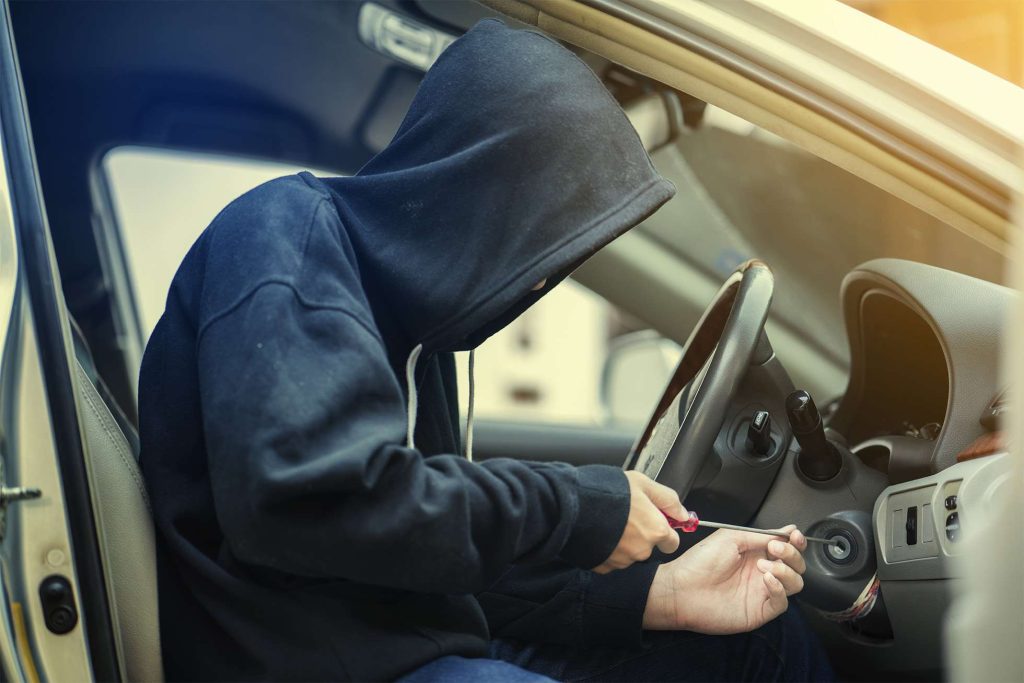
  • How to Avoid Car Theft During Summer Vacations

    Summer Car Theft Prevention

    How to Avoid Car Theft During Summer Vacations

    Summer vacations are a time for relaxation and adventure, but they also present an opportunity for car thieves. The excitement of travel can sometimes lead to lapses in vigilance, making vehicles prime targets for theft. At the Law Offices of Kyle E. Koester, LLC, we understand the importance of safeguarding your vehicle while you enjoy your vacation. This article provides essential tips for preventing car theft during summer vacations, supported by statistics and Georgia law.

    The Rise of Car Theft During Summer

    Car theft tends to increase during the summer months due to the higher number of vehicles left unattended in unfamiliar locations. Understanding the risks and taking preventive measures can help ensure your vehicle remains safe.

    Statistics:

    Understanding Georgia Laws on Vehicle Theft

    Georgia law takes vehicle theft seriously, with stringent penalties for those convicted of such crimes. Understanding these laws can help you better protect your property and know what actions to take if your vehicle is stolen.

    Georgia Law:

    • Under Georgia Code (O.C.G.A. § 16-8-2), theft by taking is defined as unlawfully taking or being in possession of another’s property with the intent of depriving the owner of it.
    • Penalties for vehicle theft can include imprisonment, fines, and restitution to the victim.

    Tips for Preventing Car Theft

    1. Park Smart

    Choosing the right parking spot can significantly reduce the risk of theft. Opting for well-lit, busy areas that are easily visible to passersby.

    Tips:

    • Park in secure, well-lit areas with high foot traffic.
    • Avoid parking in isolated or dimly lit locations, especially overnight.
    1. Use Anti-Theft Devices

    Investing in anti-theft devices can deter potential thieves and protect your vehicle. These devices range from steering wheel locks to advanced alarm systems.

    Tips:

    • Use a steering wheel lock or brake lock to make your car less appealing to thieves.
    • Consider installing a car alarm and tracking system to increase security.
    1. Keep Valuables Out of Sight

    Visible valuables can attract thieves. Keep all personal items hidden from view to reduce the temptation for break-ins.

    Tips:

    • Store valuables in the trunk or take them with you.
    • Use a cargo cover to conceal items in the back of your vehicle.

    For more on safeguarding your belongings, visit our article on The Importance of First Aid Kits in Your Car During Summer.

    1. Lock Doors and Windows

    It might seem obvious, but many car thefts occur because doors and windows are left unlocked. Always ensure your vehicle is fully secured before leaving it.

    Tips:

    • Double-check that all doors and windows are locked before walking away.
    • Use automatic locking systems if available.
    1. Avoid Leaving Spare Keys in the Vehicle

    Leaving spare keys inside the car is an invitation for theft. Thieves know common hiding spots and can easily find spare keys.

    Tips:

    • Never leave spare keys in or around your vehicle.
    • Consider using a secure key lockbox if you need to leave a spare key nearby.
    1. Be Vigilant at Rest Stops

    During long road trips, rest stops can be a vulnerable time for vehicle theft. Stay alert and take extra precautions when stopping for breaks.

    Tips:

    • Lock your vehicle even if you are just stepping away for a few minutes.
    • Park close to the entrance of rest areas where it is more crowded and visible.

    What to Do If Your Car Is Stolen

    Despite taking all precautions, car theft can still occur. Knowing what steps to take if your vehicle is stolen can help increase the chances of recovery.

    1. Report the Theft Immediately

    Contact local law enforcement as soon as you realize your vehicle is missing. Provide them with all necessary information to aid in the recovery of your vehicle.

    Tips:

    • Give a detailed description of your car, including the make, model, color, and license plate number.
    • Inform the police of any distinguishing features or marks on your vehicle.
    1. Notify Your Insurance Company

    Reporting the theft to your insurance company promptly can help expedite the claims process and provide you with necessary support.

    Tips:

    • Provide your insurance company with the police report number and details of the theft.
    • Keep copies of all documentation related to the theft and the insurance claim.
    1. Monitor Online Listings

    Thieves may attempt to sell stolen vehicles online. Regularly check online listings and notify the authorities if you come across a listing that matches your vehicle.

    Tips:

    • Search popular online marketplaces and classified ads.
    • Be cautious and verify any suspicious listings with the police.

    For more information on legal recourse after a vehicle theft, refer to our detailed guide on Legal Rights After a Summer Car Accident.

    Conclusion

    Preventing car theft during summer vacations requires vigilance and proactive measures. By parking smart, using anti-theft devices, keeping valuables hidden, locking doors and windows, avoiding leaving spare keys, and staying vigilant at rest stops, you can significantly reduce the risk of theft. For personalized legal assistance and to ensure your rights are protected, contact the Law Offices of Kyle E. Koester, LLC. We are here to support you through every step of the process.

    Sources:

    1. National Insurance Crime Bureau (NICB)
    2. FBI Uniform Crime Reporting (UCR) Program
    3. Official Code of Georgia Annotated (O.C.G.A.)


    Stay informed by exploring our 100 Deadliest Days of Summer campaign, and travel safely this summer!

    Schedule a Woodstock, GA Attorney Consultation

    If you or a loved one are suffering injuries caused by the negligence of another driver, contact the Law Offices of Kyle E. Koester, LLC. Our Woodstock attorneys specialize in personal injuries from car accidents, truck accidents, and traumatic brain injuries (TBI).

    Don’t wait until it is too late. Call us now at (770) 744-5250 to schedule a consultation.

  • Legal and Safety Implications of Golf Cart Use on Georgia Roads

    Golf Cart Accident Lawyers

    The Importance of First Aid Kits in Your Car During Summer

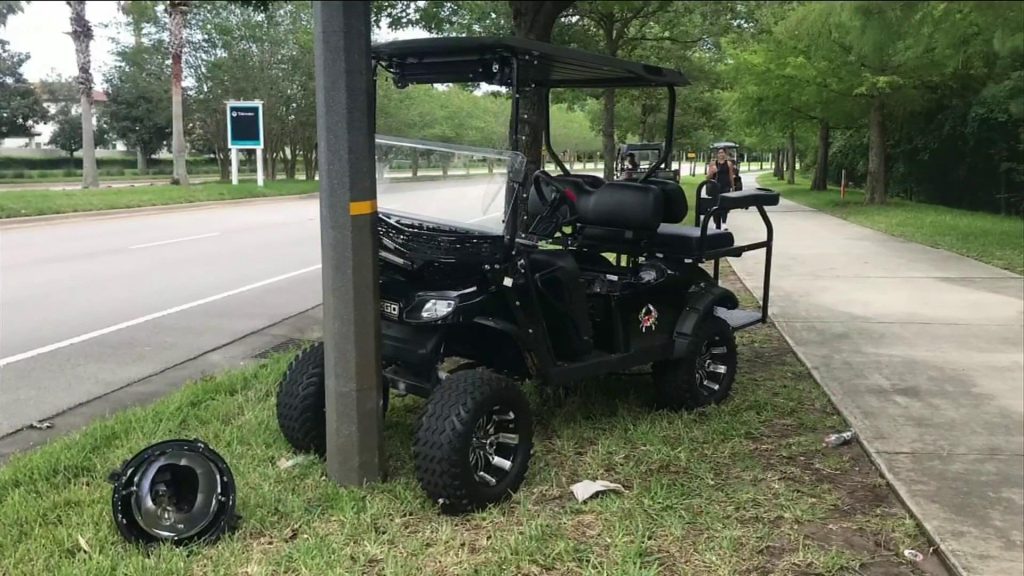
    At the Law Offices of Kyle E. Koester, LLC, we have a long-standing commitment to ensuring the safety of our community, particularly when it comes to motor vehicle use. Recent events involving a severe accident with a golf cart in Marietta, Georgia, have highlighted critical safety issues and legal considerations for golf cart use on our roads.

    Understanding Golf Cart Regulations in Georgia

    In Georgia, golf carts are legal on roads with speed limits of 35 miles per hour or less, provided they are equipped with headlights, tail lights, and brake lights. This regulation, codified under Georgia law, aims to ensure the safety of both golf cart drivers and other road users. However, as recent incidents have shown, compliance with these basic requirements may not be sufficient to prevent accidents and injuries.

    Case Overview: The Hall Family Incident

    In May 2018, a seemingly routine golf cart ride turned tragic for the Hall family. Elizabeth Hall’s three-year-old daughter, Libby, sustained severe injuries when the golf cart she was riding in flipped over after a sudden stop. The accident resulted in a month-long hospital stay, with Libby undergoing seven surgical procedures to address a concussion, a broken clavicle, and a lacerated liver.

    The golf cart in question was a 2013 Yamaha G29, which was found to have a design flaw with its braking system. Unlike typical four-wheel motorized vehicles, the Yamaha G29 only had brakes on the rear wheels, a factor that contributed to its instability and the resulting rollover.

    Legal Proceedings and Findings

    Represented by attorney Frank Bayuk, the Hall family pursued legal action against Yamaha Motor Manufacturing Corporation. Through detailed reenactments and expert testimony, Bayuk demonstrated that the golf cart’s design, specifically the lack of front wheel brakes, significantly increased the risk of rollover accidents. It was shown that adding front brakes would have prevented the rollover, a modification that could be implemented at a relatively low cost.

    Despite Yamaha’s defense that the golf cart had been modified with a lift kit, larger tires, and a rear-facing seat, and that it was intended for golf course use only, the jury found Yamaha primarily at fault. The jury awarded the Hall family $7 million in damages, holding Yamaha responsible for the design flaw and its marketing practices, which included advertisements depicting the golf cart in road use scenarios.

    Implications for Golf Cart Use and Safety

    The Hall family’s case underscores the importance of rigorous safety standards and regulations for golf carts, particularly as their use becomes more common on public roads. According to the Consumer Product Safety Commission, there are approximately 15,000 golf cart-related injuries requiring emergency room visits in the U.S. each year. The American Academy of Pediatrics reports that from 2010 to 2019, there were 63,500 golf cart accidents involving children.

    In Georgia, while the law permits golf carts on certain roads, the safety features mandated by law may not be sufficient to prevent accidents. As the Hall case illustrates, design flaws and inadequate braking systems can lead to severe injuries and fatalities.

    Legal Guidance and Advocacy

    At the Law Offices of Kyle E. Koester, LLC, we advocate for the highest safety standards in all forms of transportation. If you or a loved one has been injured in a golf cart accident, it is crucial to understand your legal rights and options. Georgia law provides avenues for seeking compensation for injuries caused by defective products and negligent parties.

    Our firm is dedicated to helping clients navigate the complexities of personal injury claims, ensuring they receive the compensation they deserve. We encourage you to reach out to us for a consultation if you have any concerns about golf cart safety or have been affected by a similar incident.


    The tragic accident involving Libby Hall serves as a stark reminder of the potential dangers associated with golf cart use on public roads. While Georgia law sets basic requirements for golf cart operation, it is imperative that manufacturers adhere to higher safety standards to protect consumers. The Law Offices of Kyle E. Koester, LLC, remains committed to advocating for safer roads and holding negligent parties accountable. If you have any questions or need legal assistance, please do not hesitate to contact us.

    For more information on this case or to seek legal advice, please visit our website or call our office.

    References

    • Georgia Code Title 40 – Motor Vehicles and Traffic
    • Consumer Product Safety Commission Reports
    • American Academy of Pediatrics Accident Reports

    By understanding the legal landscape and advocating for safer practices, we can work together to prevent future accidents and protect our communities.

    Schedule a Woodstock, GA Attorney Consultation

    If you or a loved one are suffering injuries caused by the negligence of another driver, contact the Law Offices of Kyle E. Koester, LLC. Our Woodstock attorneys specialize in personal injuries from car accidents, truck accidents, and traumatic brain injuries (TBI).

    Don’t wait until it is too late. Call us now at (770) 744-5250 to schedule a consultation.

  • The Importance of First Aid Kits in Your Car During Summer

    First Aid Kits For Summer Car Travel

    The Importance of First Aid Kits in Your Car During Summer

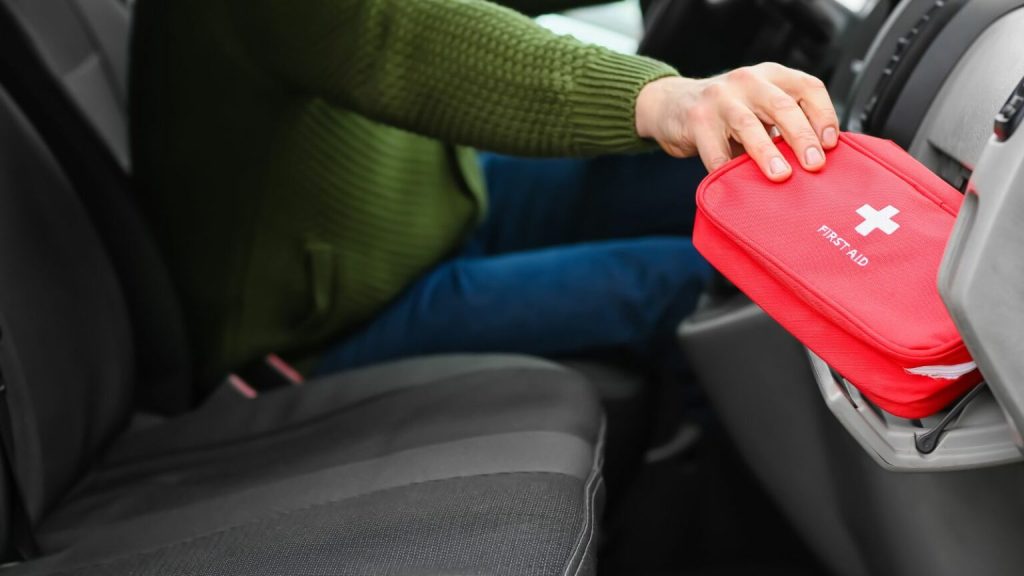
    Summer travel often involves long road trips, outdoor adventures, and increased time spent on the road. These activities come with their own set of risks and potential emergencies. Having a well-stocked first aid kit in your car can be a crucial factor in ensuring safety and preparedness during summer travel. At the Law Offices of Kyle E. Koester, LLC, we emphasize the importance of being prepared for any situation. This article explains why having a first aid kit in your car is essential for summer travel, supported by statistics and Georgia law.

    The Need for First Aid Kits

    Accidents and medical emergencies can happen anytime, anywhere. Whether it’s a minor injury or a more serious situation, having immediate access to first aid supplies can make a significant difference.

    Statistics:

    • According to the American Red Cross, about 27 million Americans seek medical attention annually for injuries sustained during recreational activities and travel.
    • The National Highway Traffic Safety Administration (NHTSA) reports that road accidents peak during the summer months, with a notable increase in minor injuries that can be treated on the spot with a first aid kit.

    Georgia Laws and Recommendations

    While Georgia law does not mandate carrying a first aid kit in your vehicle, being prepared for emergencies aligns with the state’s overall focus on safety and due care.

    Georgia Law:

    • Under Georgia Code (O.C.G.A. § 40-6-241), drivers are required to exercise due care in operating their vehicles to avoid endangering life, limb, or property. Having a first aid kit is a practical step towards fulfilling this responsibility by ensuring you can respond to minor injuries and medical situations effectively.

    Benefits of Having a First Aid Kit

    1. Immediate Response to Injuries

    Having a first aid kit allows you to provide immediate care for minor injuries such as cuts, scrapes, and burns. Quick treatment can prevent infections and reduce the severity of injuries.

    Tips:

    • Stock your kit with essentials like bandages, antiseptic wipes, adhesive tape, and gauze pads.
    • Include items for treating burns, insect stings, and allergic reactions.
    1. Handling Roadside Emergencies

    In the event of a car accident, a first aid kit can be invaluable for addressing injuries while waiting for emergency services to arrive.

    Tips:

    • Ensure your kit includes items like scissors, tweezers, a CPR mask, and a thermal blanket.
    • Add a first aid manual or quick reference guide to assist in administering proper care.
    1. Peace of Mind

    Knowing that you have a first aid kit in your car can provide peace of mind, allowing you to focus on enjoying your summer travel without worrying about minor injuries.

    Tips:

    • Regularly check and replenish your first aid kit to ensure all supplies are up-to-date and in good condition.
    • Familiarize yourself with the contents of your kit and how to use them.

    Essential Items for a Summer First Aid Kit

    A well-stocked first aid kit should include items that address common summer-related injuries and conditions. Here are some essentials to consider:

    1. Hydration and Heat-Related Items

    Summer heat can lead to dehydration and heat-related illnesses. Prepare for these situations by including items that help manage heat stress.

    Tips:

    • Include oral rehydration salts, electrolyte tablets, and instant cold packs.
    • Pack sunscreen, aloe vera gel, and lip balm with SPF to protect against sunburn.
    1. Insect Bites and Allergies

    Summer activities often expose you to insects and allergens. Being prepared for bites and allergic reactions is crucial.

    Tips:

    • Add antihistamines, hydrocortisone cream, and insect repellent to your kit.
    • Include a small supply of epinephrine if you or someone in your family has severe allergies.

    For more on handling heat-related issues, visit our article on How to Handle a Car Breakdown in Summer.

    Tips for Maintaining Your First Aid Kit

    1. Regular Inspections

    Check your first aid kit regularly to ensure that all items are present and in good condition. Replace any used or expired items promptly.

    Tips:

    • Set a schedule to inspect your kit every few months.
    • Keep a checklist of the contents and update it after each use.
    1. Tailor Your Kit to Your Needs

    Customize your first aid kit based on your family’s specific needs and the types of activities you engage in.

    Tips:

    • Consider any chronic conditions or allergies that require special medications or treatments.
    • Include a list of emergency contacts and medical information.
    1. Educate Your Family

    Ensure that all family members know the location of the first aid kit and how to use its contents.

    Tips:

    • Conduct a family meeting to review the contents and their uses.
    • Encourage everyone to take a basic first aid course.

    Legal Support for Roadside Emergencies

    If you or a loved one has been involved in a roadside emergency or accident, understanding your legal rights and options is crucial. At the Law Offices of Kyle E. Koester, LLC, we specialize in representing accident victims and can provide the guidance needed to navigate the legal complexities.

    For more information on legal recourse after an accident, refer to our detailed guide on What to do After a Car Accident.

    Conclusion

    Having a first aid kit in your car during summer travel is an essential safety measure. It allows you to provide immediate care for minor injuries, handle roadside emergencies, and enjoy peace of mind knowing you are prepared for unexpected situations. For personalized legal assistance and to ensure your rights are protected, contact the car crash attorneys at Koester Legal.  We are here to support you through every step of the process.

    Sources:

    1. American Red Cross
    2. National Highway Traffic Safety Administration (NHTSA)
    3. Official Code of Georgia Annotated (O.C.G.A.)

    Stay informed by exploring our 100 Deadliest Days of Summer campaign, and travel safely this summer!

    Schedule a Woodstock, GA Attorney Consultation

    If you or a loved one are suffering injuries caused by the negligence of another driver, contact the Law Offices of Kyle E. Koester, LLC. Our Woodstock attorneys specialize in personal injuries from car accidents, truck accidents, and traumatic brain injuries (TBI).

    Don’t wait until it is too late. Call us now at (770) 744-5250 to schedule a consultation.

  • Safe Practices for Motorcycle Riders in Summer

    Motorcycle Safety in Georgia Summer

    Safe Practices for Motorcycle Riders in Summer

    Summer is an ideal time for motorcycle enthusiasts to hit the open road, enjoying the warm weather and scenic routes. However, the increase in traffic and unique challenges of summer riding demand heightened safety awareness. At the Law Offices of Kyle E. Koester, LLC, we emphasize the importance of safe riding practices to ensure that motorcyclists stay protected during the summer months. This article provides essential safety tips specifically for motorcyclists, supported by statistics and Georgia law.

    The Risks of Summer Riding

    While summer offers perfect conditions for riding, it also brings increased risks due to higher traffic volumes, road construction, and unpredictable weather conditions. Understanding these risks and adopting safe riding practices can help prevent accidents and injuries.

    Statistics:

    Essential Safety Tips for Summer Riding

    1. Wear Appropriate Gear

    Proper gear is crucial for protecting motorcyclists from injuries in the event of an accident. This includes helmets, gloves, jackets, pants, and boots designed for motorcycle riding.

    Tips:

    • Always wear a DOT-approved helmet, as mandated by Georgia law (O.C.G.A. § 40-6-315).
    • Choose gear made of durable materials with protective padding and ventilation to stay cool and safe.
    1. Stay Hydrated and Avoid Heat Exhaustion

    Riding in hot weather can quickly lead to dehydration and heat exhaustion, which can impair your ability to ride safely.

    Tips:

    • Drink plenty of water before, during, and after your ride.
    • Take regular breaks in the shade or air-conditioned areas to cool down and rehydrate.
    1. Maintain Your Motorcycle

    Regular maintenance is essential to ensure your motorcycle is in top condition and to prevent breakdowns or mechanical failures on the road.

    Tips:

    • Check tire pressure, fluid levels, and brakes before each ride.
    • Ensure that lights, signals, and mirrors are functioning correctly.

    For more on vehicle maintenance, visit our article on How to Prepare Your Car for Summer Travel.

    1. Be Visible and Communicate Your Intentions

    Motorcycles are smaller and less visible than other vehicles, making it crucial to take steps to ensure other drivers can see you.

    Tips:

    • Wear bright or reflective clothing and use reflective tape on your bike.
    • Use your headlights during the day and signal your intentions clearly when turning or changing lanes.
    1. Practice Defensive Riding

    Defensive riding involves anticipating potential hazards and being prepared to react quickly. This is especially important in heavy summer traffic.

    Tips:

    • Maintain a safe following distance to give yourself ample time to react.
    • Be aware of blind spots and avoid riding in them.

    For more on defensive driving techniques, see our article on The Importance of Defensive Driving in Summer.

    1. Adapt to Road Conditions

    Summer often brings road construction, uneven surfaces, and increased wildlife activity, all of which can pose risks to motorcyclists.

    Tips:

    • Slow down and be cautious in construction zones and on rough roads.
    • Watch for signs of wildlife, especially at dawn and dusk.

    Legal Considerations for Motorcyclists in Georgia

    Understanding and complying with Georgia’s motorcycle laws can help prevent legal issues and enhance your safety on the road.

    Georgia Law:

    Case Law Example:

    • In Johnson v. State, 291 Ga. 850 (2012), the Georgia Supreme Court upheld the enforcement of motorcycle safety laws, emphasizing the responsibility of motorcyclists to follow state regulations to ensure their safety and the safety of others.

    What to Do in Case of an Accident

    Despite taking all precautions, accidents can still happen. Knowing what to do in the event of an accident can protect your legal rights and help you receive necessary medical and legal assistance.

    1. Seek Medical Attention

    Your health is the top priority. Seek medical attention immediately, even if you think your injuries are minor.

    Tips:

    • Call 911 and wait for emergency responders to arrive.
    • Follow all medical advice and keep records of your treatment.
    1. Document the Scene

    Collecting evidence at the scene of the accident can be crucial for any legal claims you may need to make.

    Tips:

    • Take photographs of the accident scene, your motorcycle, and any injuries.
    • Obtain contact information from witnesses and the other parties involved.
    1. Contact an Attorney

    Legal support is essential for navigating the complexities of personal injury claims and ensuring you receive fair compensation.

    Tips:

    • Contact a personal injury attorney with experience in motorcycle accidents.
    • Do not speak to insurance adjusters or sign any documents without consulting your attorney.

    For more information on legal recourse after an accident, refer to our detailed guide on Legal Rights After a Summer Car Accident.

    Conclusion

    Summer riding offers joy and freedom but also presents unique challenges and risks. By wearing appropriate gear, staying hydrated, maintaining your motorcycle, being visible, practicing defensive riding, and adapting to road conditions, you can enhance your safety on the road. For personalized legal assistance and to ensure your rights are protected, contact the Law Offices of Kyle E. Koester, LLC. We are here to support you through every step of the process.

    Sources:

    1. National Highway Traffic Safety Administration (NHTSA)
    2. Georgia Governor’s Office of Highway Safety
    3. Official Code of Georgia Annotated (O.C.G.A.)
    4. Georgia Supreme Court Case: Johnson v. State, 291 Ga. 850 (2012)

    Stay informed by exploring our 100 Deadliest Days of Summer campaign, and ride safely this summer!

    Schedule a Woodstock, GA Attorney Consultation

    If you or a loved one are suffering injuries caused by the negligence of another driver, contact the Law Offices of Kyle E. Koester, LLC. Our Woodstock attorneys specialize in personal injuries from car accidents, truck accidents, and traumatic brain injuries (TBI).

    Don’t wait until it is too late. Call us now at (770) 744-5250 to schedule a consultation.